Link acquisition comes down to two things: building genuine relationships and creating content that people want to share.
I’m Elena, and for the past five years, I’ve helped brands grow their online presence through strategic link building.
Building links is challenging and can feel intimidating, especially with all the conflicting advice out there.
Here is what I learned from doing this job:
You need to understand what makes people want to link to your website. It makes the process substantially easier.
In this guide, I’ll walk you through:
- The latest link building techniques—no fluff, no outdated tactics
- How to identify backlink opportunities worth chasing
- And how to apply them to your SEO strategy
Ready to build some links that matter? Let’s dive in.
Highlights
- Content is your foundation. Without genuinely valuable resources, even perfect outreach will fail.
- Diversify your approach with proven strategies like digital PR, guest posting, and niche edits rather than relying on a single tactic.
- Google’s algorithms easily detect manipulation, so focus on earning links that improve user experience rather than gaming the system.
- Success metrics go beyond link counts. Consider tracking domain authority growth, referring domain quality, and actual organic traffic increases.
What Is Link Acquisition?
Link acquisition is the process of securing backlinks from other websites to pages on your site. These links serve as a vote of confidence in your content. This way, Google sees that the information on your website is trustworthy and can be shown to their users.
Why Does Link Acquisition Matter in SEO?
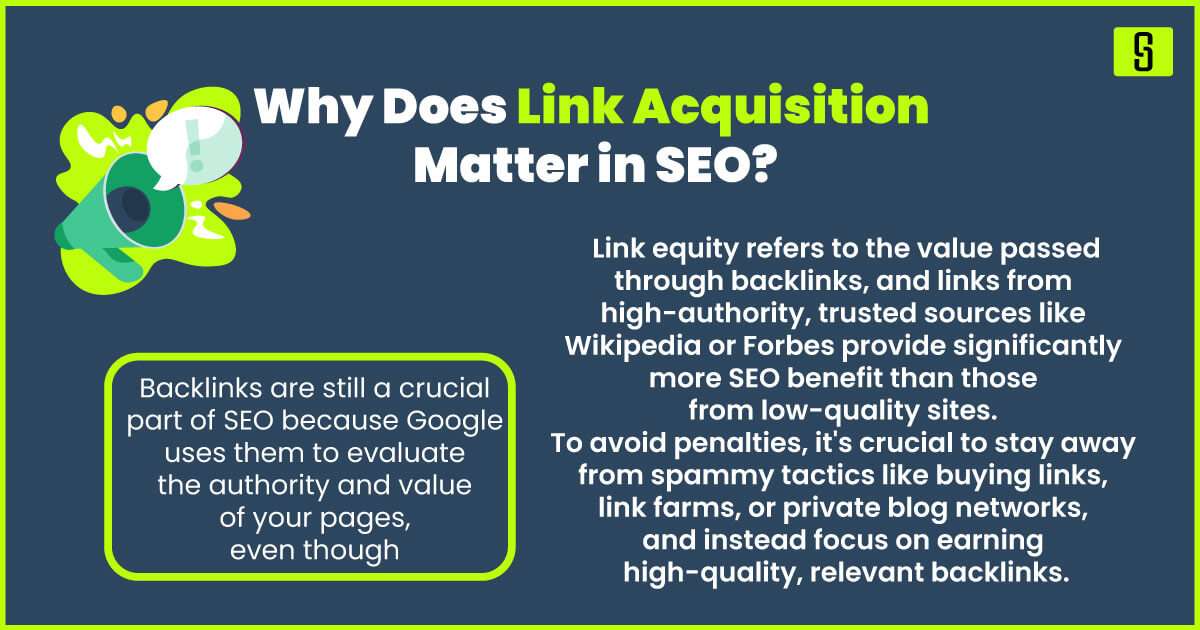
Backlinks remain an important search ranking factor. Although Gary Ilyes, an analyst on the Google Search team, mentioned that they are no longer among the top three search ranking factors, they are still essential for your SEO success.
In the past, Google used an algorithm called PageRank, which helped determine the importance of a page based on the links pointing to it.
Google still uses a form of PageRank today, just a more advanced version. The tricky part is that you don’t know what your PageRank is, as it remains a hidden metric.
But the core concept remains the same—Google’s algorithms use links to assess the value and authority of your page.
That’s why the quality of your links is so crucial.
How Does Link Quality Impact Link Equity?
Link equity (also known as link juice) is the value and authority that gets passed from one page to another through backlinks.
Not every link passes the same amount of equity. A link from a high-authority website in your industry carries significantly more weight than a link from a random, low-quality blog.
Think of it this way:
Google is constantly analyzing who is vouching for a certain page. So, obtaining a link from a trusted source, such as Wikipedia or Forbes, carries more weight because these sites have earned Google’s trust over the years.
On the contrary, a backlink from a spammy website might not be so beneficial and could even harm your rankings.
Here are the tactics you should avoid at any cost:
- Buying links from low-quality directories
- Participating in link farms
- Building private blog networks (PBNs)
Each of these backlink building strategies is considered link spam under Google’s guidelines and can result in serious penalties for your website.
To sum it up:
You want to secure backlinks that are high-quality, relevant, and from authoritative sources—the kind that can actually pass meaningful link equity to boost your search rankings.
Top 8 High-Quality Link Acquisition Techniques
Google’s algorithms keep evolving, and website linking strategies evolve right along with them. Smart SEO and GEO experts are constantly developing new approaches—some perfectly white hat, others pushing the boundaries.
But here’s what I’ve learned after years of testing and refining: while marketing trends and new approaches come and go, core backlink acquisition strategies have stood the test of time.
1. Content Marketing
Your content is the reason why someone decides to link to your page.
Think about it:
It doesn’t make sense for a writer to include a link unless it matches their topic and brings value to their readers.
Whether it’s a well-researched article or a helpful guide, good content works like a magnet for backlinks. People will naturally link to your content if they find it useful.
Quality content also makes outreach for link acquisition so much easier. With genuinely valuable content that demonstrates expertise and authority (following Google’s EEAT guidelines), you’re not begging for links but offering something that improves their readers’ experience.
“Our main link acquisition strategy is a mix of content-driven outreach and strategic partnerships. We create high-value, niche-specific content that serves a real purpose—whether it’s data-driven insights, practical guides, or industry breakdowns—and then reach out to relevant publications, blogs, or resource pages that naturally benefit from linking to it. The reason this works is simple: if the content adds actual value, you don’t need to force the backlink—it becomes a win-win.” — Heinz Klemann, Senior Marketing Consultant, BeastBI GmbH
2. Digital PR
Digital PR involves producing and promoting content, such as stories, research, or insights, that others in the media space see as noteworthy and want to feature in their own work.
This approach naturally leads to high-quality backlinks from news sites and industry publications.
There are two approaches to digital PR:
- Reactive PR: Jumping on trending topics with expert commentary or relevant data.
- Proactive PR: Creating newsworthy content yourself—original studies, surveys, or campaigns that attract media attention.
The beauty of this strategy is that when journalists cover your story, they’re linking to you as a credible source. These links come from high-authority sites that carry serious SEO weight, and your name or brand gets mentioned alongside industry leaders and experts.
What’s more, media coverage often creates a snowball effect where one story leads to more coverage and more links.
“One underrated tactic we use is reverse media outreach: we find articles already ranking for our target keywords, then pitch journalists a new angle or updated data to refresh their piece with our brand as a citation. It’s far more effective than cold pitching, because the content is already working and we’re helping them keep it relevant.” — Eugene Leow Zhao Wei, Director, Marketing Agency
3. Guest Posting
Guest posting is a practice that involves writing or co-authoring an article for a publication or a website that’s not your own. Some publications allow you to add external links to your website.
This strategy works best when you target publications that already have some topical authority in your niche. When you share helpful content on topically related sites, you position yourself as an expert to a relevant audience and gain valuable backlinks.
To ensure you’re following ethical practices, focus on white hat link building strategies that align with Google’s guidelines.
4. Link Exchanges
Link exchanges mean exchanging links with other websites. The process is pretty simple: you link to their site, and they link to yours.
Note: It’s important to mention that this technique is against Google’s link spam guidelines. If you get involved in excessive link exchanges, your website could be penalized by Google.
To avoid penalties, link builders try to follow so-called 3-way link exchanges, or ABC link building.
The scheme works as follows: Website A links to Website B, which in turn links to Website C. Website C then links back to Website A (or sometimes to another website outside the chain to maintain a cleaner structure).
5. Niche Edits
Niche edits involve finding existing content where your link would genuinely add value and reaching out to suggest including it. This is one of the most common link building strategies.
The method works because you’re improving content that already exists rather than asking someone to create something new.
When you find a website that mentions a topic you’ve covered many times, or discover someone mentioned your brand without linking to it, you’re offering a solution that genuinely improves their article. This makes niche edits one of the most effective link building strategies.
6. Broken Link Building
Broken link building is a type of niche edits links. Instead of asking for a new link, you’re offering to fix a broken one.
This means you need to find links that return a 404 error on relevant pages and suggest your content as a replacement.
“One underrated tactic I’ve used successfully is broken link building. I find broken links on high-authority sites that should lead to content similar to mine, then reach out to the site owner, suggesting they replace the broken link with one pointing to my relevant content. It’s a win-win—site owners appreciate being notified about broken links, and I gain a high-quality backlink. This method is often overlooked, but it can be incredibly effective in acquiring valuable links with minimal competition.” — Nikita Sherbina, Co-Founder & CEO, AIScreen
7. Create Linkable Assets
Apart from written content, your website can offer value through resources that other websites would naturally want to reference. I’m talking about interactive tools, calculators, downloadable templates, or extensive resource databases.
A good linkable asset should be simple to use, provide immediate value, and solve a specific problem of your target audience.
8. Posting on Forums and Social Media
Here, I’m referring to natural links that come from your legitimate business presence on social media. What you want to achieve is building genuine visibility in your space.
For example, this year, the Reddit backlink strategy, along with Quora questions, was very popular until they took control over the situation and started banning posts and accounts associated with spammy activities. This strategy is also extremely unsustainable—the link you get from a forum comment might not survive in the long run.
Instead, take advantage of what the platforms have to offer naturally. Develop your social media accounts and post regularly on them. Engage in relevant groups and communities where your expertise adds value.
Social media posts actually rank for specific queries, so such content can get discovered through search as well.
How to Measure Link Acquisition Success
In digital marketing, anything that isn’t measured is simply expensive guesswork. Link building is no different, and you need to know which efforts drive results to develop the best backlinking strategy.
Here is what I recommend tracking:
Outreach Metrics
- Response and conversion rates: If you’re sending 100 emails and getting three links, that’s a 3% success rate. Most agencies see a 3–8% conversion rate for cold outreach, so anything above 5% means your pitch is working.
- Quality of referring domains: Focus on Domain Authority or Domain Rating scores. A link from a DR90 website carries more weight than 10 links from random DR15 blogs. Aim for links from sites with DR30+ in your niche.
SEO Impact Metrics
- Your domain authority changes: DA changes happen slowly, so expect gradual increases over 3–6 months of consistent link building.
- Organic traffic growth: Monitor which pages are gaining traffic and whether it correlates with your recent links. Look for traffic increases 2–4 weeks after earning quality links.
Essential Tools for Tracking
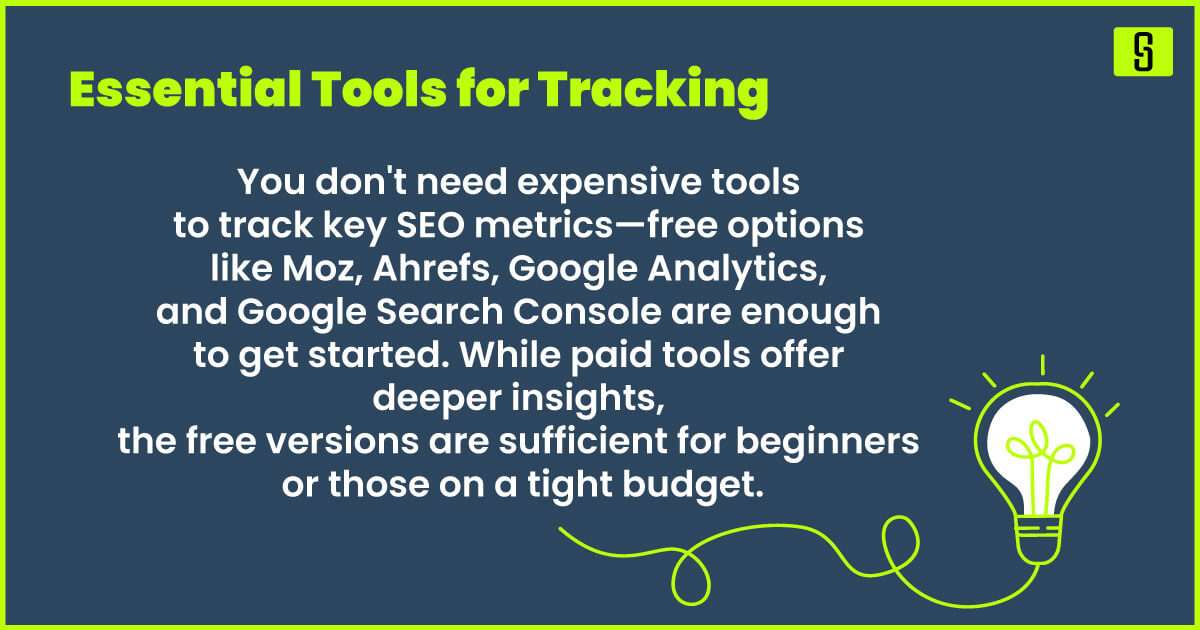
The thing is, you don’t even need expensive tools to track all of these metrics.
For DA/DR scores, you can choose between Ahrefs or Moz. Both solutions offer free tools for this. Simply enter your domain and receive a quick result without needing to pay for full subscriptions.
Organic traffic is measured through Google Analytics, which is also free to set up. Combined with Google Search Console (also free), you can track most of your important metrics without spending a dime.
If you’re serious about link building at scale, paid tools like Ahrefs ($129 per month) or Semrush ($139.95 per month) offer deeper insights.
However, when you’re starting out or working with a limited budget, the free options will provide you with everything you need to measure your success.
Final Thoughts
As you can see, successful link acquisition isn’t about shortcuts and quick wins. You need to focus on quality over quantity every time.
The strategies I’ve shared here—from niche edits to digital PR to strategic guest posting—work because they provide real value to the websites and their audiences.
Google’s getting smarter every day at recognizing authentic linking strategies and patterns, so invest your time and energy in tactics that bring real results.
And if you run into any bumps along the way, consider outsourcing your backlink building to experts who can handle everything from strategic content creation to digital PR campaigns.