If you want to earn high-quality backlinks, you need linkable assets—content designed to attract links naturally.
You’ve published great blog articles. But the backlinks?
Crickets.
I’m Nikola, and as someone who’s spent the last 10 years helping brands fix underperforming pages through link building, I can tell you:
Most content doesn’t get links because it was never built for it in the first place.
In this guide, I’ll show you how to change that with proven linkable asset types, real examples, and a step-by-step process that works today.
Highlights
- Linkable assets are content pieces designed specifically to earn backlinks.
- The right format—like tools, templates, or guides—can boost shareability and link value.
- High-performing assets are original, well-structured, and built around audience needs.
- Without active promotion, even great content won’t attract links.
- Avoid salesy pages, outdated info, and low-effort content—these don’t earn backlinks.
- Track performance and focus on what earns links in your niche.
What Are Linkable Assets?
Linkable assets are high-value pieces of content that are strategically created to attract backlinks.
Here is the deal:
Other websites rarely want to link to sales content. That’s why linkable assets never have commercial intent behind them.
They are educational, practical, and built to bring value. That’s what makes them different from an average blog post.
Some marketers try to double up and create linkable assets that also rank for high-volume keywords. That can work, but only if your topic aligns with keyword intent.
Examples of linkable assets include:
- In-depth guides
- Original research pieces
- Downloadable templates
- Engaging visuals or infographics
- Interactive online tools
Why Linkable Assets Matter for SEO
Inbound links are still one of the most significant ranking factors in Google’s algorithms.
Linkable assets are there to help you earn them at scale in a natural way—just as Google encourages every webmaster to do.
But the benefits of linkable assets for SEO go far beyond links.
Here is what else you can get when you create high-performing linkable content:
- More organic search traffic: Linkable assets attract backlinks, which pass link equity or link juice. That authority can boost not just the asset itself but also other pages on your site, as long as you use smart internal linking.
- More referral traffic: When your asset gets featured on high-traffic sites, their audiences click through. That means a steady stream of relevant visitors without spending a dime on ads.
- More brand exposure: When someone cites your content on trusted websites in your niche, your brand gets in front of the right audience.
- More brand authority: When your content earns links from trusted sites, it improves your brand’s authority in the eyes of users and search engines. This kind of recognition contributes to your site’s EEAT (Experience, Expertise, Authoritativeness, and Trustworthiness) signals.
Best Types of Linkable Assets (With Examples)
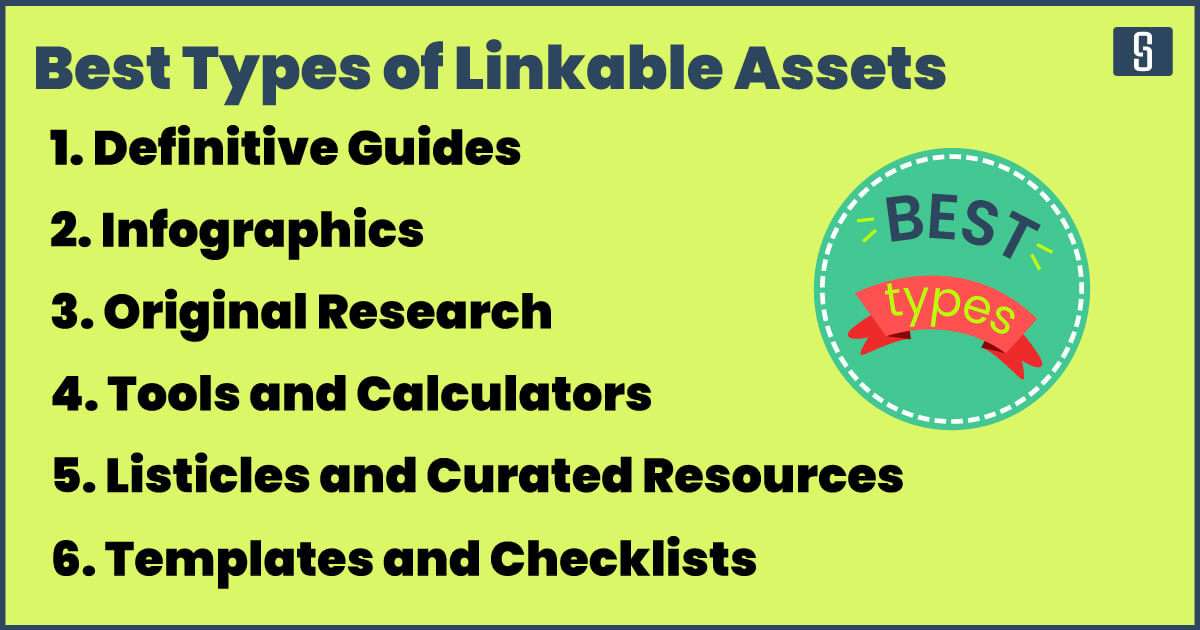
In my experience, different types of linkable content work for different goals and topics.
There’s no one-size-fits-all, but some formats tend to get shared and cited more when done right.
Here are a few types I’ve seen work well, along with examples to help you get inspired.
*The number of linking domains below is based on Ahrefs data.
1. Definitive Guides
Strong blog content is at the core of any link acquisition strategy.
Long-form, in-depth guides that walk readers through a complex topic tend to perform best.
The secret is to make your content better than what’s already out there—more actionable, more complete, and easier to digest.
A great example of this type of linkable asset is Ahrefs’s “The Beginner’s Guide to SEO.”
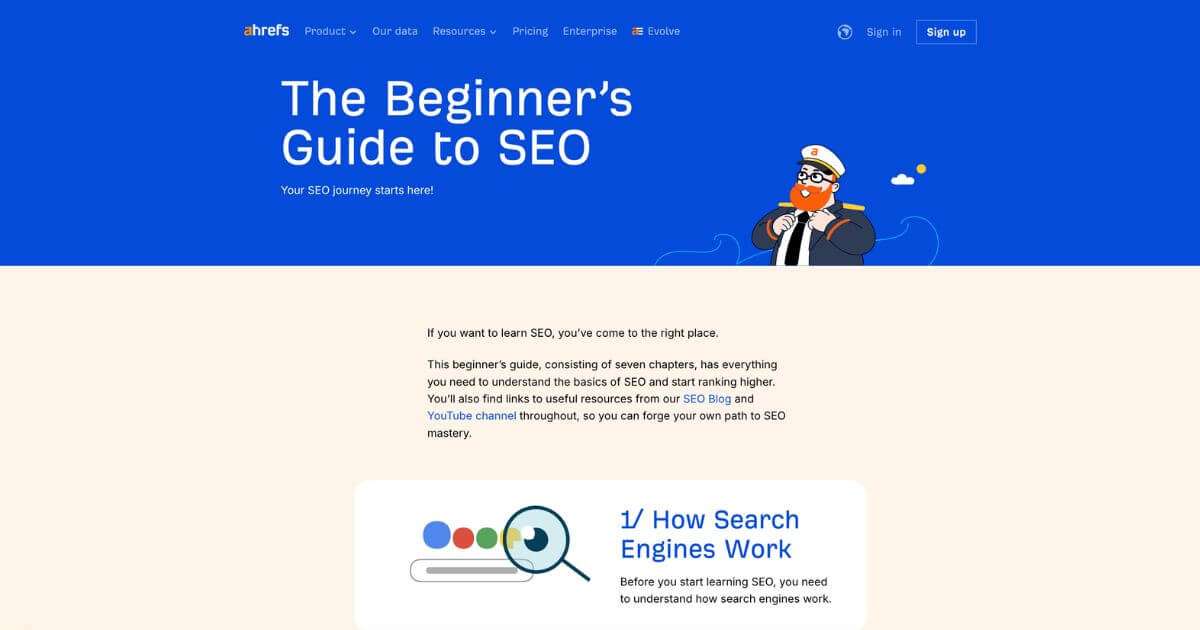
Since Ahrefs is known for its industry-leading SEO tools and regularly publishes data-driven content, it has strong authority in the SEO space.
The result:
A guide that earns backlinks consistently, even years after it went live. Currently, the page has 4,806 domains linking to it.
2. Infographics
There’s something satisfying about an infographic that makes a complex idea instantly click.
I also love them because they do it in a way that grabs attention and earn valuable backlinks along the way.
You see, when someone wants to reference your study or article, it’s often easier to just share an image.
Here is an example that caught my attention. Semrush released the “How Google’s AI Mode Compares to Traditional Search and Other LLMs” study.
The article itself is packed with valuable findings; however, the infographic breaks down those insights visually.
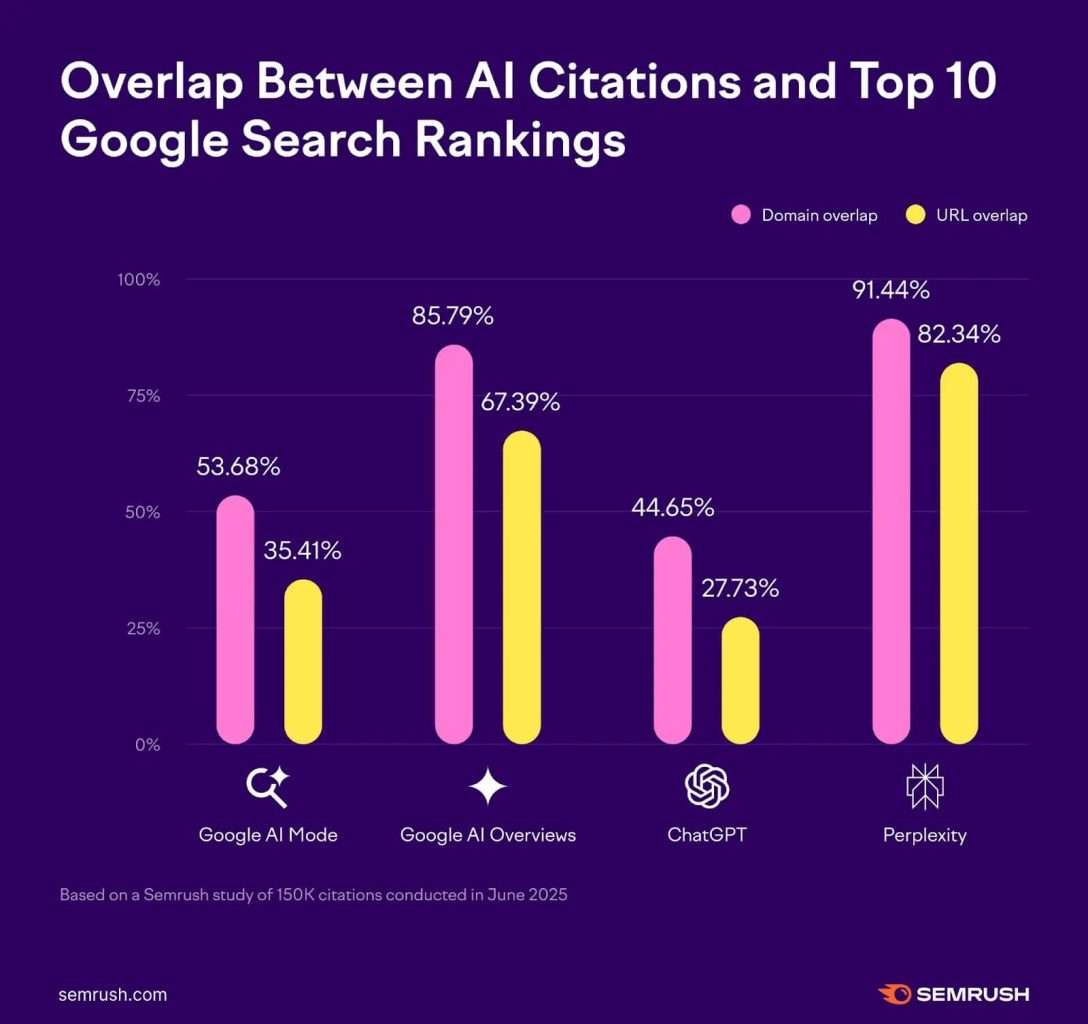
This makes it much easier to understand and share these findings.
Right now, this page has links from 34 domains. Considering that the research was published in June 2025 (about a month before I wrote my article), this is a pretty good result, and I’m sure the infographics play a big role in attracting those links.
3. Original Research
Nothing beats original data when it comes to linkable value.
Why?
Because it offers insights and data that aren’t available elsewhere.
Whether you’re publishing results from a survey or secondary observations, this type of content attracts citations naturally.
And when bloggers and other content creators want to back up a point, they reference the source. And if you are that source, you win a backlink.
Take a look at this “The State of Email Marketing Trends Report” by Litmus, for instance.
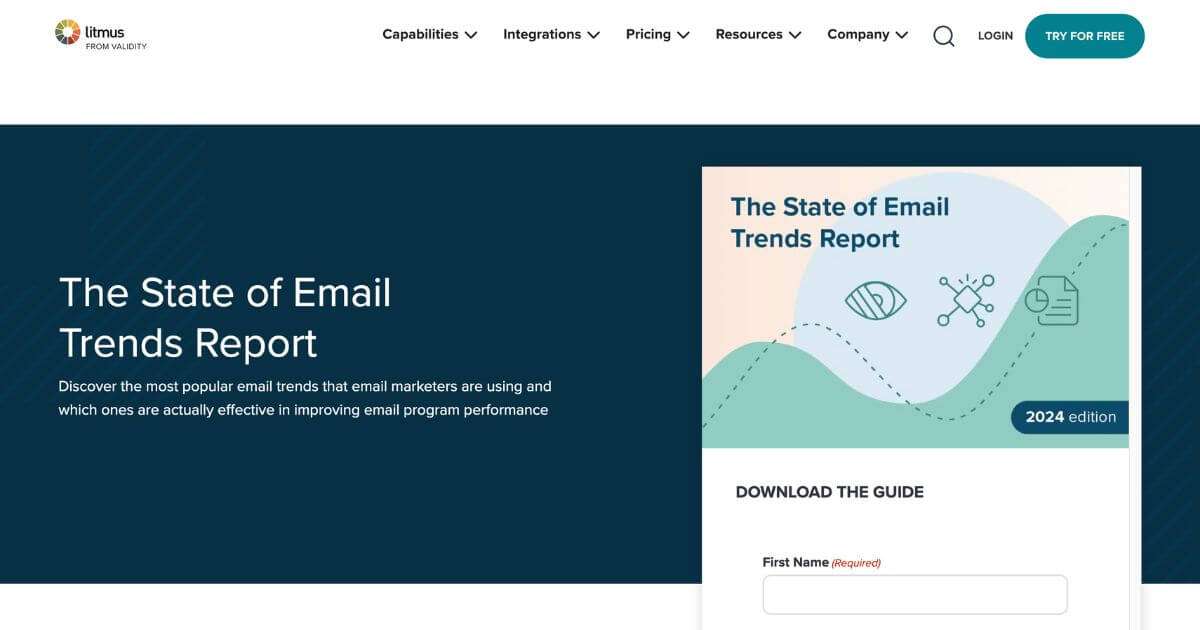
Every year, they publish fresh, data-backed insights on the email industry—and year after year, many content creators link to them.
As of now, they’ve earned links from over 90 referring domains, and I’m sure that number will keep growing.
4. Tools and Calculators
Interactive tools are one of the most effective types of linkable assets out there. They solve a problem fast, and other websites love linking to them because it adds instant value to their content.
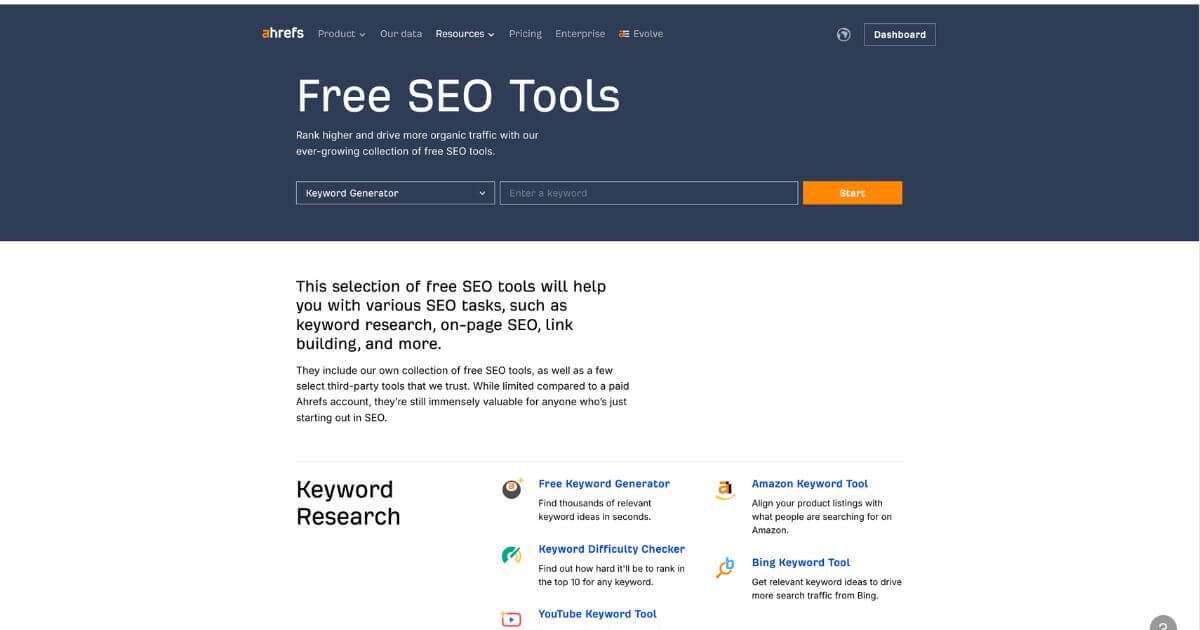
Here’s another example from Ahrefs: their Free SEO Tools. I’ve probably shared that page more times than I can count—partly because it’s useful, and partly because I genuinely like recommending people free stuff that works.
It’s the kind of asset that earns links and gives potential users a taste of the product—a perfect marketing asset as well.
Backlinks count (at the moment this article was written): 1,082.
5. Listicles and Curated Resources
A well-curated list saves time and builds trust—especially if you’re bringing together the best tools and strategies from an experienced source.
Bonus points if it’s updated regularly.
One crucial thing about listicles is that people won’t trust them unless they feel credible.
If it looks like a generic roundup, it won’t earn links. To make it link-worthy, you need clear criteria, real experience, and ideally, fresh data or firsthand insights.
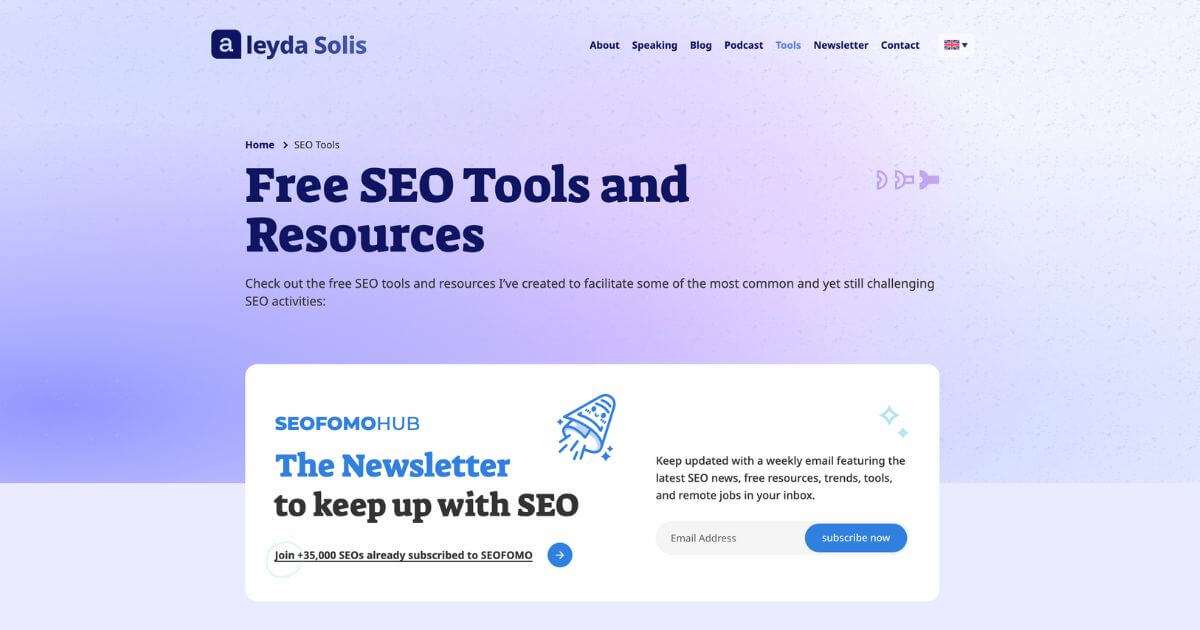
One of my favorite examples is Aleyda Solis’s roundup: “Free SEO Tools and Resources”. This page packs everything a beginner SEO analyst needs to know.
Currently, it has inbound links from 715 different domains.
6. Templates and Checklists
Templates and checklists are classic link magnets because many find them extremely useful.
Just think about it:
When you are reading about a new tactic, it helps to have a ready-made checklist or template to follow.
Instead of starting from scratch, your audience can grab it and go. That kind of utility makes these assets highly shareable and linkable.
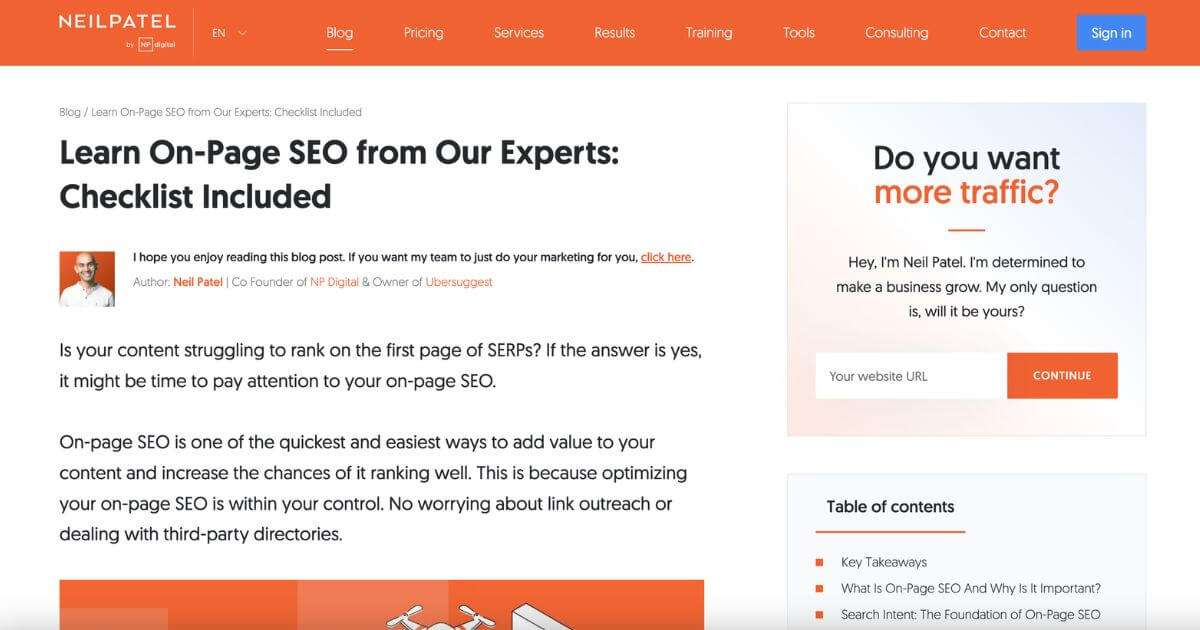
Let’s look at the real-world example from Neil Patel. His article titled “Learn On-Page SEO from Our Experts: Checklist Included” has gained 266 backlinks since its publication.
How To Create Linkable Assets (In 5 Simple Steps)
At this point, you might be wondering:
“But how do I create linkable assets?”
Truth is, creating content that earns links takes more than just publishing a decent blog post.
You need a mix of creativity, strategy, and a little competitive insight.
So here’s a step-by-step breakdown for creating content that will get you backlinks from authoritative websites.
1. Get to Know Your Audience
Before you create anything, ask yourself:
Who am I talking to? And what do they care about?
Remember that this isn’t about your typical buyer persona. You are creating content that will resonate with bloggers and potentially journalists, too.
A few quick ways to get to know your audience are:
- Google Analytics: See which topics/pages already bring in traffic.
- Google Trends: Recent trends might spark an idea.
- Ahrefs / Semrush: Analyze which pages in your niche attract the most backlinks.
- Industry reports and newsletters: Pay attention to what’s getting referenced and shared.
- Reddit, Quora, and niche forums: Great for real questions and pain points.
When you create something your target audience wants, earning links gets way easier.
2. Pick the Right Format
Not every idea needs to be a 4,000-word guide. Choose the asset type that fits your topic and attracts links.
I already covered some of the best-performing linkable asset types—like original research, infographics, definitive guides, and tools. Now’s the time to pick one that fits your topic and goals.
Got fresh data or unique insights? Turn it into a mini report or stat roundup.
Explaining something complex? A visual guide or infographic could be more effective than plain text.
Sharing a repeatable process? A checklist, template, or downloadable resource is perfect.
3. Find What’s Working
Want to shortcut the process of figuring out what gets links?
Just look at what’s already performing.
Open Ahrefs or Semrush and enter a competitor’s domain. Then check their top-linked pages. Here is how it looks in Ahrefs, for example:
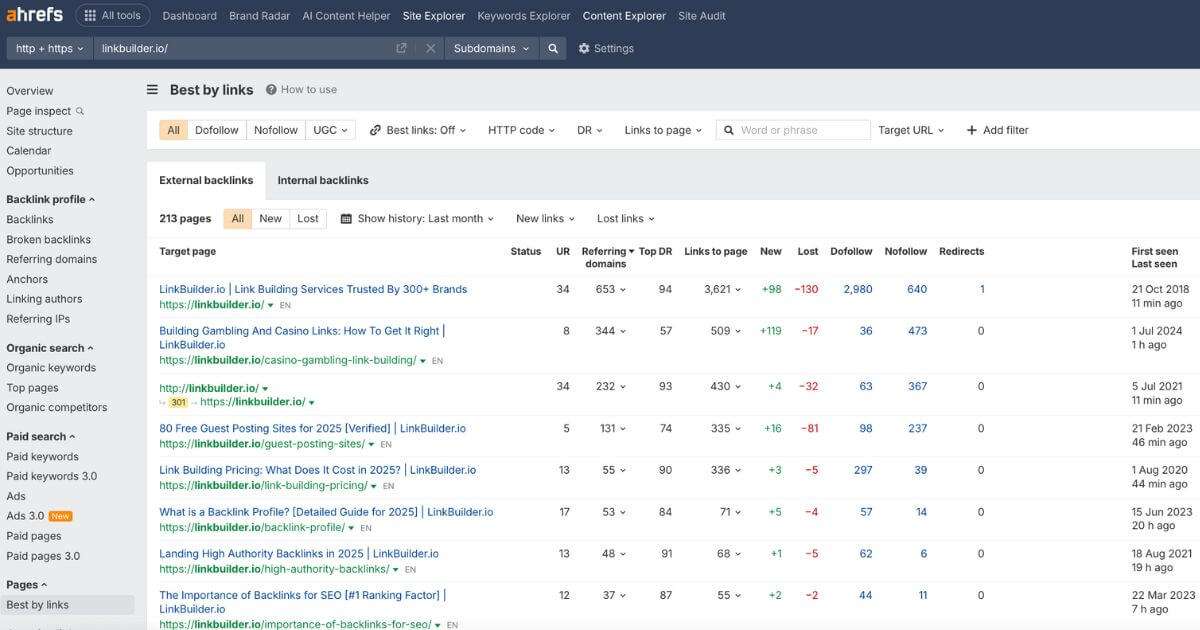
Then ask yourself:
- Can I make something more up-to-date?
- Can I present it in a better format?
- Can I add something that’s missing?
This is the “Skyscraper Technique” in action: Find what’s working. Make it better. Promote it hard.
4. Make It Shareable (And Link-Worthy)
Even the best content won’t earn links if it’s hard to share or cite.
Here’s how to make your asset link-attractive:
- Use visuals that pop in previews and posts (charts, tables, branded graphics).
- Structure it clearly—headings, bullet points, summaries.
- Write a catchy intro—if people bounce early, links won’t follow.
- Add embed codes for infographics or tools.
- Offer pre-written snippets, like quote boxes or stat callouts.
Make it easy for people to say, “This will make my content better—I’m linking to it.”
5. Add a Layer of Originality
If your content sounds like everyone else’s, it’s not getting links.
To stand out, bring something new to the table:
- Curate stats across multiple sources (and cite them properly).
- Run a quick poll or survey and publish the results.
- Share your own case study or real-world experience.
- Combine insights in a way that hasn’t been done before.
Originality is your edge, especially in crowded niches.
If people can only get that info from you, they’ll have to link to you.
Using Linkable Assets for Link Building
Creating a great linkable asset is only half the job done.
I’ve seen solid content go live only to sit there, collecting digital dust.
No links. No traffic. And eventually, becoming outdated.
That’s why if you want your asset to earn backlinks, you need a clear strategy. I’m talking about outreach-based link building done the smart way.
Here’s how it usually works for me:
Step 1: Find People Already Linking to Similar Content
If someone’s linked to a guide, tool, or study like yours before, there’s a good chance they’ll do it again.
Look for:
- Blog posts covering similar topics
- Listicles or roundups
- Industry stats pages
I use Ahrefs to find these pages.
For example, we recently published an EEAT checklist that I want to put out there.
What I’d do is find the top competitors for that topic—like other EEAT guides or SEO checklists—and run their URLs through Ahrefs’ Site Explorer.
In the following example, I used Digitaloft’s page on a similar topic:
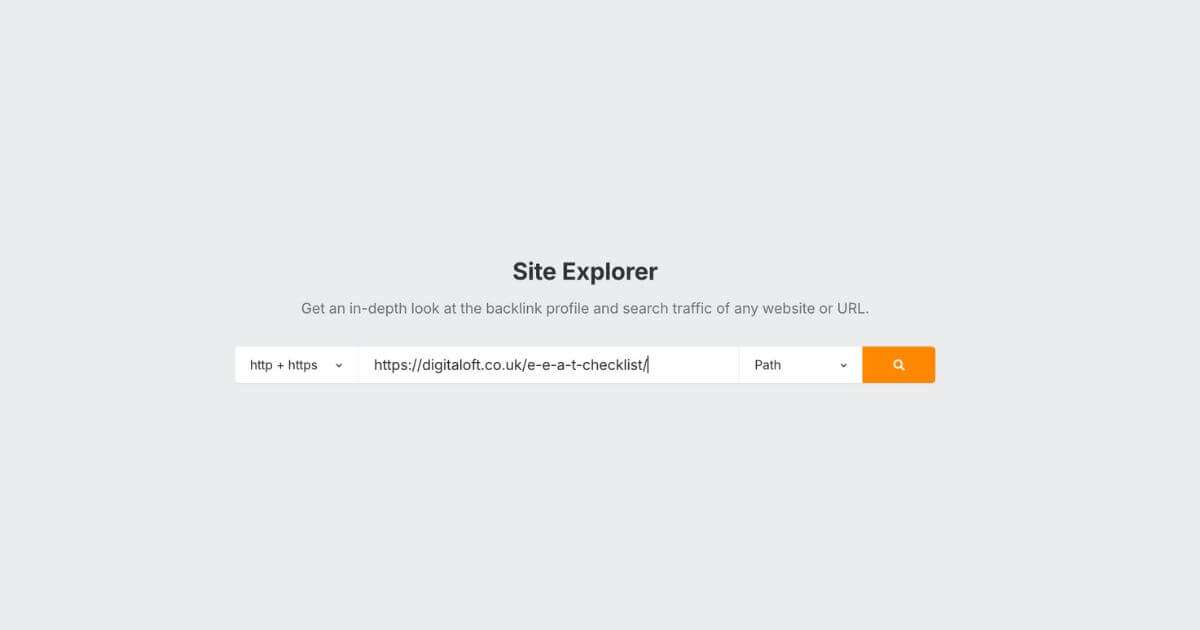
I then head over to the Backlinks report and look for links from relevant blogs and industry sites.
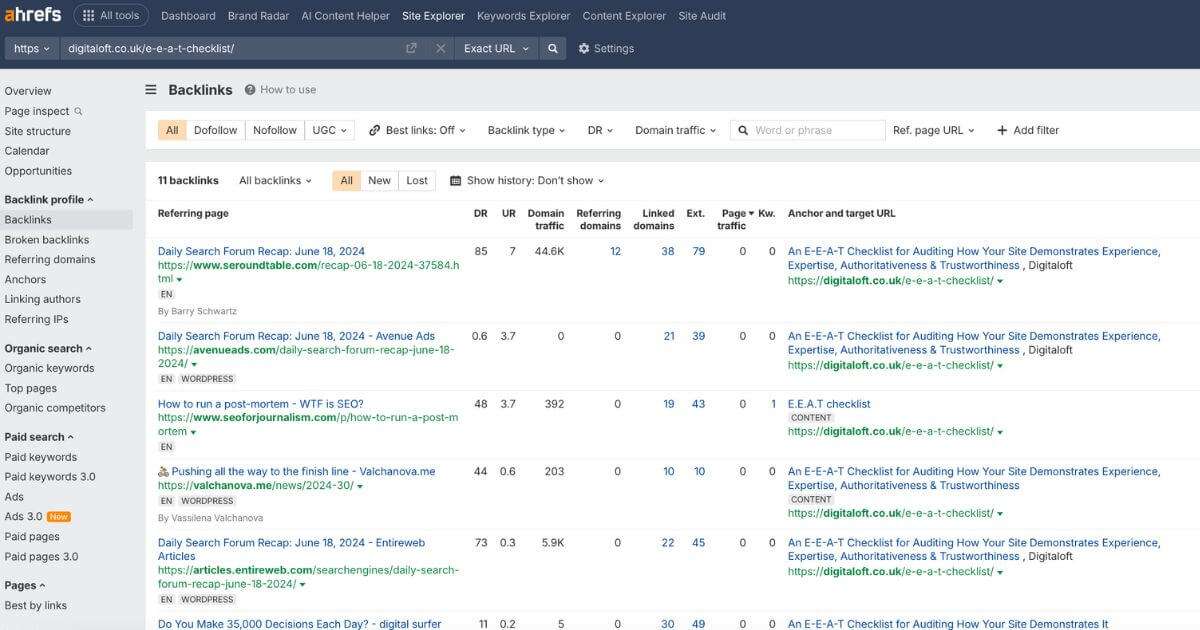
I repeat the process with other competitor pages, and that gives me a curated list of websites that are already linking to similar content. In other words, people who care about this kind of asset. Perfect outreach targets.
However, if you have no access to SEO tools, certain Google search operators can help you out.
- intitle: Find pages with specific words in the title. Example: intitle:EEAT checklist
- inurl: Find URLs with specific keywords (e.g., resource pages or blogs). Example: inurl:EEAT
- “keyword”: Look for exact-match phrases. Example: “EEAT checklist”
- Site:website.com “keyword”: Narrow results to specific domains or industries. Example: site:moz.com “EEAT”
- Combinations: You can mix and match to get more refined results. Example: intitle:EEAT inurl:resources “SEO checklist”
This will surface high-value resource pages that mention EEAT checklists in the described search scenarios. All that is left to do is create a list of websites to pitch this asset to.
Step 2: Craft Targeted, Value-First Outreach Emails
Don’t blast out cold emails begging for links. I know it’s tempting to send 100 emails in a click.
But here is the problem:
Everyone’s doing the same thing.
To stand out, you need to add just enough personalization to make it clear you’re not a bot.
Instead:
- Keep it short, personal, and specific
- Show them how your asset improves their page
- Offer an apparent reason to care
Bonus tip: Mention exactly where your link could fit on their page.
Here is an example:
Subject: Quick tip for your EEAT guide
Hi [First Name],
I came across your article on [Page Topic or Title]. I really liked how you explained [specific point, e.g., “how EEAT ties into content quality”].
I recently put together a simple EEAT checklist, and I thought it might be a good fit for your post. Right where you talk about [describe the section you are referring to].
Here’s the link: [Your URL]
No pressure at all, just wanted to share in case it adds value. Either way, keep the great content coming!
Cheers,
[Your Signature]
Step 3: Promote It Beyond Email
Email outreach is important, but don’t stop there.
Maximize the reach of your asset by:
- Sharing it across social channels
- Embedding it in newsletters
- Repurposing it into carousels, videos, or short-form posts
Every share means another chance to earn a backlink organically.
10 Common Mistakes to Avoid
Creating linkable assets in SEO isn’t just about producing “good content.”
It’s just as easy to get it wrong and waste hours on something that never earns a single link.
Here are the 10 most common mistakes from my practice:
- Using sales pages as linkable assets: As I already mentioned, people rarely link to product or service pages. Linkable assets need to inform, inspire, or educate, not sell.
- Neglecting promotion and outreach: “Publish and pray” doesn’t work. Without outreach, even the best asset won’t reach the right people.
- Chasing high-volume keywords only: Some of the best link magnets target niche, low-volume topics. Relevance beats volume when it comes to earning links with linkable assets.
- Forgetting to update content: Outdated stats, broken links, or stale info kill trust. Keep your assets fresh and accurate.
- Making it hard to share: No embed codes, no clear CTAs, no share buttons means fewer links. Make sharing effortless.
- Ignoring internal linking: When other websites link to your linkable asset, they pass link equity (also known as PageRank), which helps boost that page’s authority in Google’s eyes.
Pro tip: To make the most of it, internally link from your asset to other important pages on your site, such as key blog articles and money pages. This way, the SEO value flows through and helps those pages perform better in organic search, too.
- Overdesigning at the cost of usability: A beautiful asset that’s confusing or slow to load won’t earn links. Design matters, but functionality comes first.
- Skipping evergreen topics: Trendy content fades fast. Sometimes the right strategy is to focus on topics that will still be relevant (and linkable) 6 or 12 months from now.
- Overlooking EEAT principles: Demonstrate expertise and back claims with real sources or data. It builds credibility and linkability.
- Not tracking what works: Use Ahrefs, Google Search Console, or analytics tools to see which assets perform. Then you can double down on what brings results.
What Do Experts Say About Link-Worthy Assets?
To get more perspective, I reached out to link building experts online and asked them to share the results they’ve seen from this method.
Here is what they had to say:
“…We have done an SEO benchmarking report wherein we scrutinized hundreds of websites in different industries. The report was very insightful and useful to the professionals seeking to improve their SEO strategies therefore, very shareable.
This asset brought us good results as well we noticed that some authoritative industry websites and even academic sites linked to us. It resulted in a significantly higher level of organic traffic of those domains, and the referral traffic increased by 40 percent.” — Paul DeMott, Chief Technology Officer, Helium SEO
“One of our most linked assets wasn’t even a page—it was a downloadable LinkedIn cheat sheet. Sent it to micro-influencers and niche sites. Got 36 links and one surprise feature on Yahoo Finance. People overthink this stuff. The key is to make something people can steal. Sounds harsh, but assets that are ‘stealable’—templates, cheat sheets, swipe files—get shared. Pretty graphics? Meh. Give them something useful.” — Deepak Shukla, Founder & CEO, Pearl Lemon
“The most successful campaign I was involved in was a Local SEO Ranking Study where we tested the effect of review growth, citation accuracy, and updates to content by studying 2,000 listings in 50 cities. The outcomes were unique and practical as well, and that is one of the reasons why the report received over 150 backlinks within three months. … The tool continues to bring 5 to 10 new backlinks on a monthly basis without supplementary outreach.” — Chris Kirksey, Founder & CEO, Direction.com
And That’s a Wrap
Backlinks don’t come from “good” content. They come from strategic content built to earn them.
Whether it’s an original study, a helpful tool, or a well-structured guide, linkable assets work when they solve real problems and are worth sharing.
Use the steps in this guide to find what’s working in your niche and add your own unique angle.
Most importantly—track what brings results and keep building from there.
FAQ
Are linkable assets the best form of link building?
They’re one of the most effective and scalable strategies. Unlike manual outreach or paid links, linkable assets can attract backlinks organically over time—especially if they’re evergreen and continue to bring value.
What are the most effective formats for creating linkable assets to attract backlinks?
Formats that naturally earn links include original research, in-depth guides, infographics, tools, and expert roundups. But it’s best to choose the format that suits your topic.
How can I ensure my content surpasses competitors as a high-quality linkable asset?
Analyze top-performing content in your niche and aim to improve on it. Add missing insights, update outdated info, and present it in a cleaner or more actionable format. The goal is to create something more complete or engaging than what already exists.
Why do some content pieces fail to become linkable assets despite being valuable?
Sometimes, the topic isn’t link-worthy, or the content lacks originality or clear structure. In other cases, it simply doesn’t get promoted and never reaches the right audience. Even great content needs a strategy and exposure to earn links.
What strategies can I use to promote my linkable assets and earn more backlinks?
Use a mix of outreach, community sharing, and passive discovery. Reach out to bloggers, submit your content to resource pages, share in relevant forums, and repurpose it for social. Promotion is just as important as creation when it comes to earning backlinks.