Want to dominate local search on Google? Learning top local SEO strategies for small businesses isn’t optional anymore—it’s the difference between being found and being forgotten.
Let’s face it:
The average small business is invisible online. Not because their service is weak, but because they’re stuck using outdated, generic SEO tips that simply don’t work in a hyper-local, mobile-first world.
I’m Nikola, an SEO expert with over a decade of experience. I’ve helped small brands conquer leading positions in local search, and I’m here to break down what actually works.
Ready to level up your local game?
Let’s get down to business.
Highlights
- Target laser-focused local keywords (no more broad, wishy-washy terms).
- Optimize every inch of your Google Business Profile (GBP).
- Build and maintain consistent citations across the web.
- Make customer reviews your #1 ranking weapon.
- Ensure your website is mobile-first and lightning-fast for local search.
What Are the Best Local SEO Strategies for Small Businesses?
Let’s break down the best local SEO strategies for small businesses—the ones that get your business found and chosen by real local customers.
1. Local Keyword Targeting
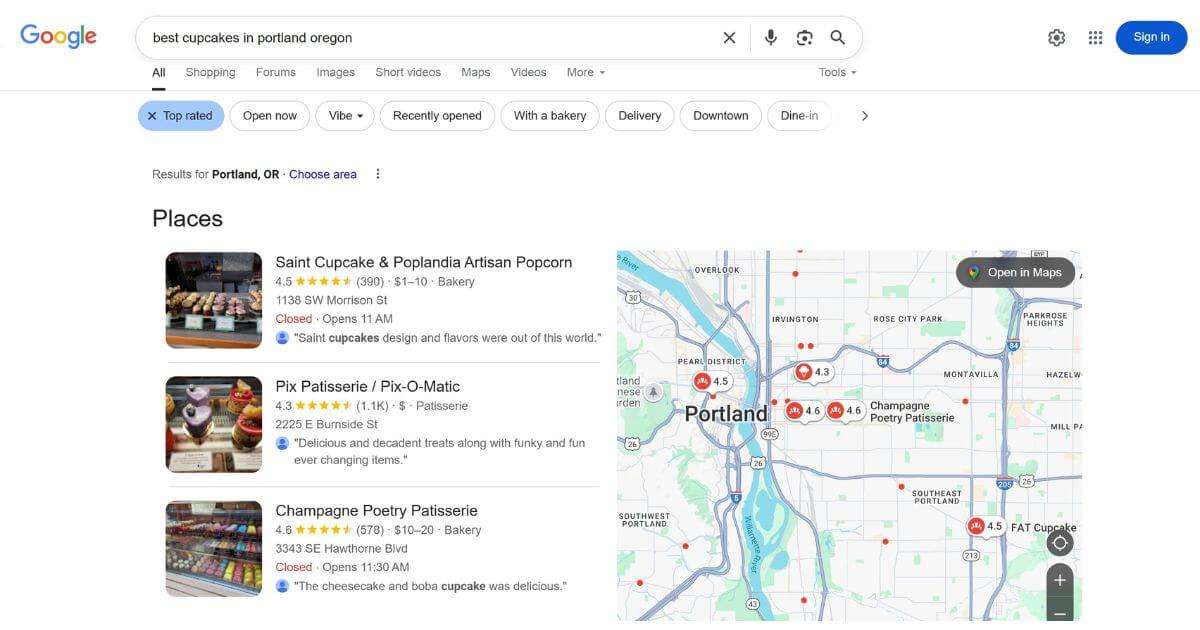
If you’re still targeting broad keywords like “plumber” or “bakery,” you’re wasting time and money.
The reality is, most people searching for local services want something nearby now. The best local SEO strategies begin with targeting the right keywords.
Here’s how to do it like a pro:
- Think like your customer: What would you type if your sink exploded at midnight? “Emergency plumber near me.” If you’re a bakery in Portland, you want to capture searches like “best cupcakes in Portland” or “birthday cakes near me.”
- Leverage location modifiers: Add city, neighborhood, and “near me” phrases to your main services. These aren’t just buzzwords; they’re real ways people search.
- Spy on your competitors: Simply search your keywords and see who ranks. What are they targeting? How do they phrase their services?
Pro tip: Don’t just guess. Look at Google’s autocomplete and “People also ask” features for inspiration. These give you a window into real-world local queries.
2. Optimized Google Business Profile (GBP)
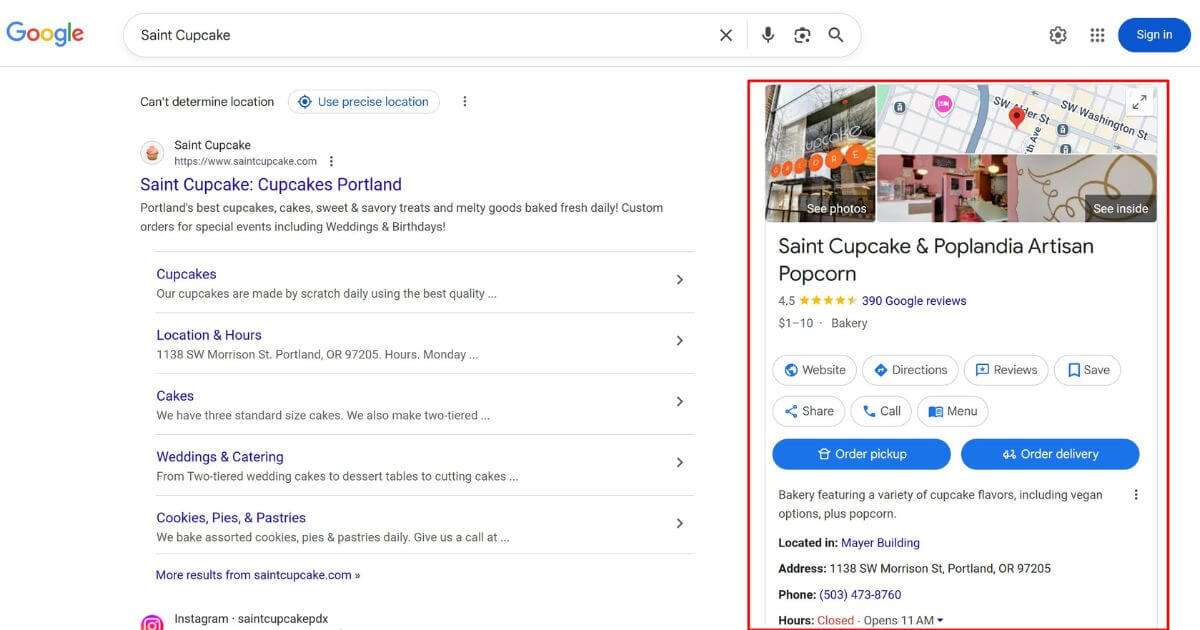
Your Google Business Profile (GBP, formerly Google My Business) is often the first and sometimes the only impression a potential local customer gets.
If you set it and forget it, you’re missing out. To have a chance in local SEO for small business, you need to treat your GBP like a living extension of your brand.
Here are my tips on optimizing your Google Business Profile:
- Claim and verify your listing: Fill out every section—business name, address, phone, hours, and website. Set your service area if you visit customers.
- Pick the right categories: Be as specific as possible (e.g., “vintage clothing store” instead of just “clothing store”).
- Write a compelling description: Use natural language, highlight what makes you unique, and sprinkle in your main keywords without stuffing.
- Add high-quality images regularly: Showcase your storefront, team, products, and real work. Businesses with more images see more clicks and engagement.
- Update posts with offers, events, and news: Treat your GBP like a mini-social feed. Fresh content signals to Google (and customers) that you’re active.
- Use unique business attributes: Add features like “wheelchair accessible,” “women-owned,” “free Wi-Fi,” and anything that sets you apart.
Pro tip: Respond to every question in the Q&A section and keep your info meticulously up to date. Google rewards activity and accuracy.
3. Build Bulletproof Local Citations
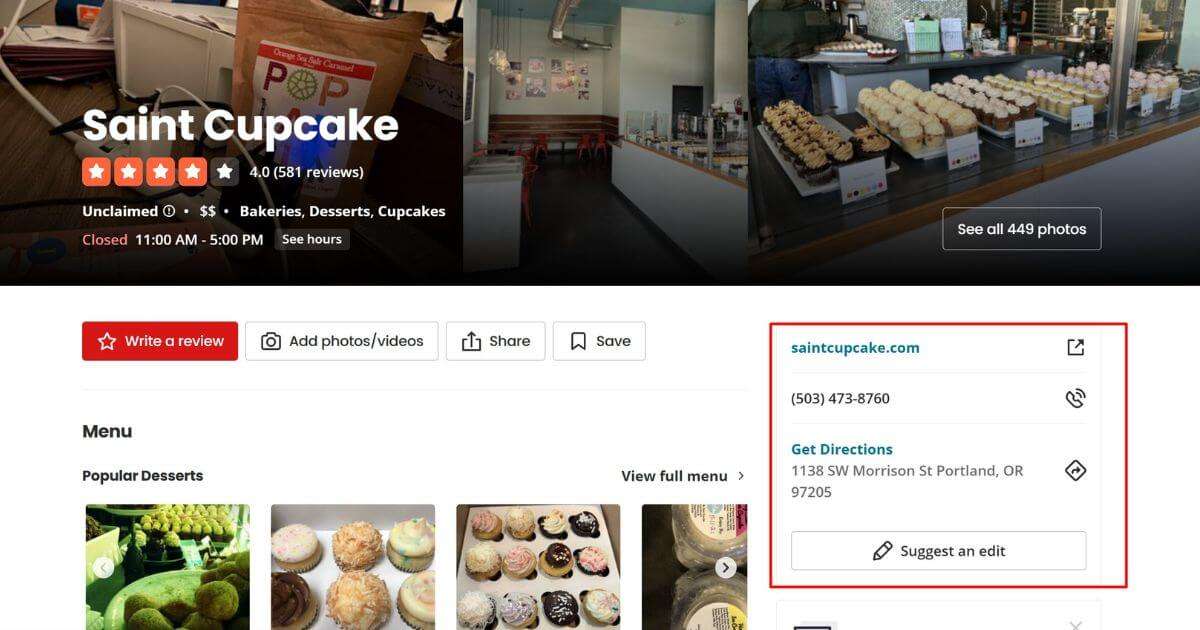
Local citations are a foundational part of small business local SEO. A citation is any online mention of your business name, address, and phone number (NAP). Directories like Yelp, TripAdvisor, Facebook, Apple Maps, and niche industry sites all count.
Why do they matter?
Because Google uses these as “trust signals” when deciding which businesses are legit and deserve to show up in local results.
Here’s how to do citations right:
- Consistency is king: Your NAP info must match 100% everywhere. Even small differences (like “St.” vs. “Street”) can cause confusion.
- Start with the big directories: Claim and optimize your listings on Google, Bing, Facebook, Yelp, Apple Maps, and industry-specific directories.
- Audit for duplicates and outdated info: Use tools like BrightLocal or Whitespark, or do it manually. Remove or update any mismatched listings.
- Keep an eye on social platforms: Social media profiles also count as citations. Make sure your business info is identical everywhere.
Pro tip: Don’t set it and forget it. Schedule a quarterly citation checkup to catch errors before they hurt your rankings.
4 Reviews Are Your Secret Map Pack Weapon
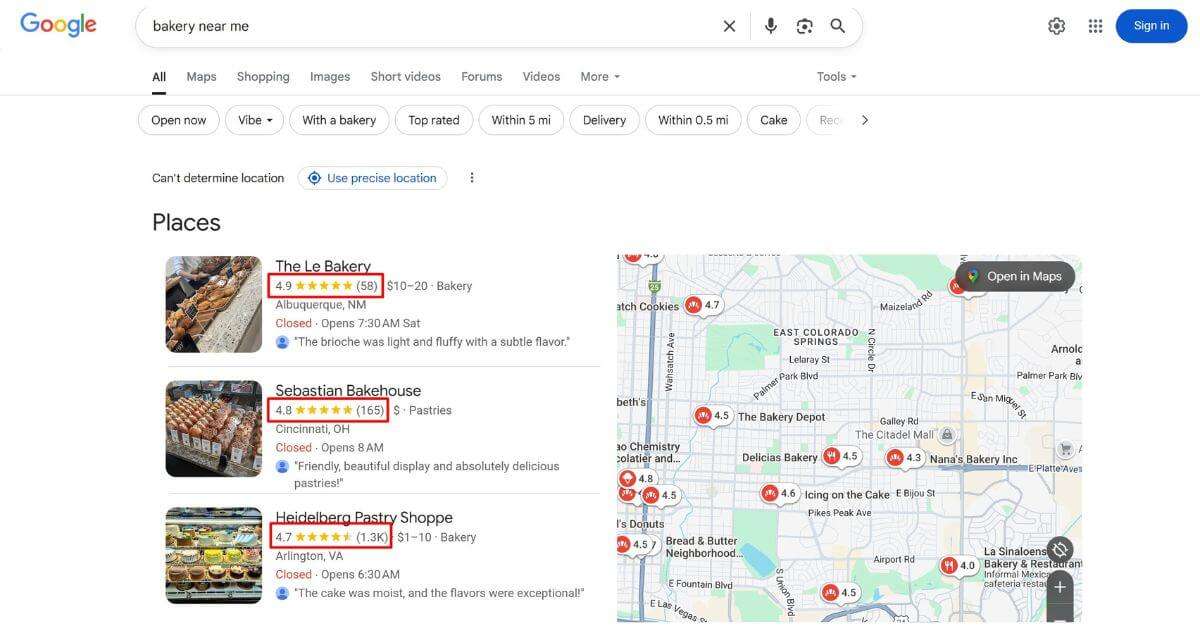
Reviews can make or break you. When someone searches for your service, those star ratings and customer opinions are front and center.
Want to rank in the “map pack” (the top three local results with a map)?
You need both quality and quantity of reviews.
Here’s how to turn reviews into your SEO superpower:
- Ask every customer for a review: Make it part of your process. Hand out cards, send follow-up emails, or use automated review request tools.
- Respond to every review: Thank happy customers and address criticism with professionalism. Google loves active engagement.
- Don’t fake it: Authentic reviews from real customers matter. Avoid shortcuts because Google’s algorithms are getting smarter by the day.
- Encourage reviews everywhere: Don’t just focus on Google. Yelp, Facebook, and TripAdvisor can all influence your local reputation and rankings.
Personal insight: The businesses I’ve worked with that consistently request reviews after every transaction not only climb in rankings but also see a measurable bump in foot traffic and phone calls.
5. Create Location Pages
If your business serves multiple areas, don’t lump everything onto a single “service area” page. Instead, build unique, content-rich location pages for each city or neighborhood you cover.
What to include on each location page:
- Address, phone number, and business hours
- Local testimonials or case studies
- Directions and unique selling points for that area
- Specific offers or events relevant to the location
Pro tip: Avoid duplicate content. Each location page should have its own flavor—think local landmarks, events, and customer stories. This not only helps with SEO for local business, but it also makes you more relatable to each community.
6. Make Your Site Mobile-Friendly (No Excuses)
Most local searches happen on mobile devices. If your website isn’t responsive, loads slowly, or is hard to navigate on a phone, you’re losing customers. Period.
How to get mobile-ready:
- Use a responsive design so your site looks great on any device
- Test your loading speed with Google PageSpeed Insights—aim for under 2.5 seconds
- Keep navigation simple and buttons big enough for thumbs
- Make sure your contact info is front and center
Pro tip: Visit your own website on various devices. If you struggle to find your phone number or directions, so will your customers.
7. Use Social Media as Your Local Prominence Multiplier
Social media isn’t just for memes and cat videos. It’s a powerful way to boost your local visibility and build your reputation—two factors Google values for small business local SEO.
How to leverage social for local SEO:
- Join neighborhood Facebook groups and Nextdoor communities
- Post about local events, news, and behind-the-scenes stories
- Encourage check-ins and user-generated content (like tagging your location)
- Add your website link to every profile for extra SEO juice
Personal insight: Some of my clients have landed local press coverage and backlinks simply by sharing unique events or stories on Instagram and tagging local media outlets.
8. Add Structured Data to Speak Google’s Language
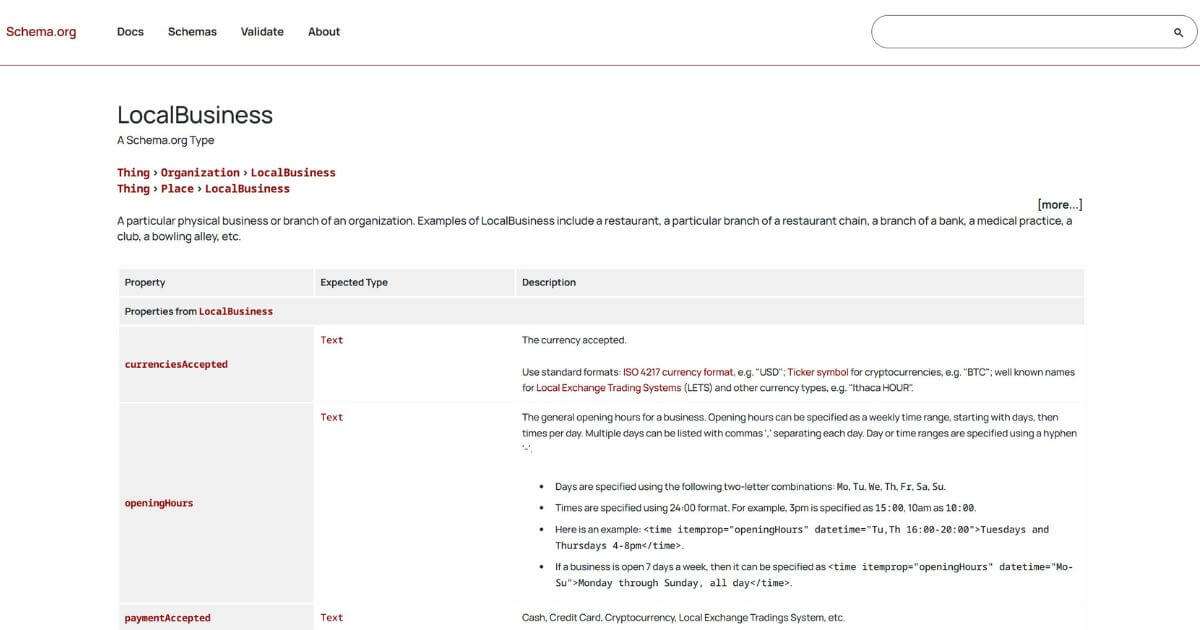
Adding structured data (like local business schema) to your website helps search engines understand your key info—address, hours, reviews, services—and display it directly in search results.
How to implement structured data:
- Use tools like Google’s Structured Data Markup Helper or plugins for WordPress
- Mark up your business name, address, phone, hours, and review ratings
- Test your markup with Google’s Rich Results Test tool
Pro tip: Structured data can earn you rich snippets in search, like star ratings or service highlights, which can dramatically boost click-through rates.
9. Create Local Content to Become the Neighborhood Authority
Content is still king, but generic blog posts won’t cut it for local SEO tactics. To rank in your area, you need to create content that speaks directly to your community.
Ideas for local content:
- Blog about local events, partnerships, or industry tips tailored to your city
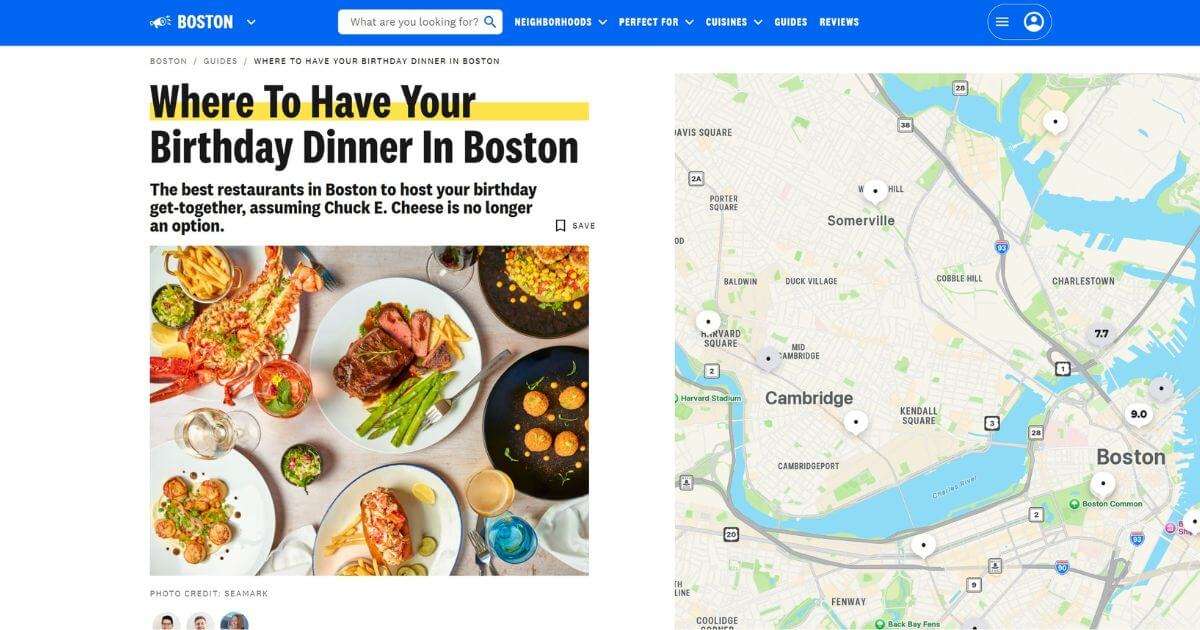
- Create guides (“Best spots for lunch in [Neighborhood]”)
- Interview local customers or highlight team members from the area
- Share stories about your involvement in community initiatives
Personal story: When I wrote a blog spotlighting local holiday events for a client, not only did it pull in new traffic, but we also saw a spike in bookings from people who discovered the business while researching things to do nearby.
10. Authoritative Local Backlinks
Links from local news sites, blogs, and organizations are gold for local SEO strategy. Forget spammy directories and focus on quality connections that show you’re an active part of your community.
How to build local backlinks:
- Partner with nearby businesses for events or promotions (and ask for a link)
- Sponsor local charities, sports teams, or school events
- Submit your business to local newspapers’ or magazines’ “best of” lists
- Write guest posts for community blogs or collaborate with local influencers
Pro tip: Always look for ways to give value first—offer expertise, resources, or support. The links will follow naturally.
Next-Level Local SEO Tactics for Small Businesses
If you want to go beyond the basics and truly dominate your market, I recommend integrating these advanced moves:
11. Optimize for Voice Search
People are using voice assistants to find local businesses more than ever. Voice searches tend to be conversational and question-based. Make sure your site answers common questions clearly and naturally (e.g., “Where is the nearest Thai restaurant open now?”).
12. Monitor and Respond to Q&A
Both on your Google Business Profile and your website, anticipate the questions your customers ask and answer them directly. This helps you stand out and increases your authority.
13. Track, Measure, and Tweak
Local SEO isn’t set-and-forget. Use Google Analytics, Google Search Console, and GBP Insights to monitor what’s working. Track calls, directions, and website visits from your profile, and adjust your strategy based on what your customers actually do.
Wrap Up
Here’s what I know from experience:
If you want your business to be found, trusted, and chosen, you need to deploy the best local seo strategies for small businesses. Clean up your citations. Supercharge your Google Business Profile. Turn every customer into a review-generating machine.
And never stop optimizing because local SEO is a race, not a finish line.
FAQ
What is a local SEO strategy?
A local SEO strategy is a plan to optimize your online presence so your business shows up in search results for local customers in your area.
How does local SEO help small businesses?
Local SEO helps small businesses attract nearby customers, increase foot traffic, get more calls, and boost sales by appearing in local searches.
How much does local SEO cost for a small business?
Professional local SEO services cost between $500 per month and $2,800 per month, depending on the plan you choose.
What are some low-cost local SEO strategies that small businesses can use?
Small businesses can use the following local SEO strategies at practically no cost:
– Claim and optimize your Google Business Profile
– Get listed on local directories
– Ask customers for reviews
What are the most overlooked local SEO tactics that small businesses should start using today?
A small business can use these overlooked SEO tactics to improve local rankings:
– Building local backlinks (from local news or community sites)
– Monitoring and fixing unlinked brand mentions
– Using local schema markup