Wondering whether SEO or SMM will drive results for your business? Let’s settle the debate with real talk, real strategies, and zero fluff.
If you’ve been seeking digital marketing advice on the internet, you’ve heard the battle cries: “SEO is king!” or “SMM is the future!”
But what does any of it actually mean for your business? I’ve spent over 10 years in digital marketing, running campaigns for numerous brands, and I’m here to give you the inside scoop.
Here’s how I see it:
You want clicks, sales, and visibility, not another pile of buzzwords.
So let’s get real about how search engine optimization and social media marketing stack up, where they overlap, and how you can use both to dominate your niche in 2025.
Let’s settle this SEO vs SMM debate once and for all.
Highlights
- SEO and SMM are both essential digital marketing strategies, but they serve different purposes.
- SEO focuses on optimizing your website for higher rankings on search engines.
- SMM uses social media to build brand awareness, engagement, and direct connections.
- The best results come from integrating both SMM and SEO in your marketing strategies.
- Your choice depends on business objectives, target audience, and resources.
What Is SEO?
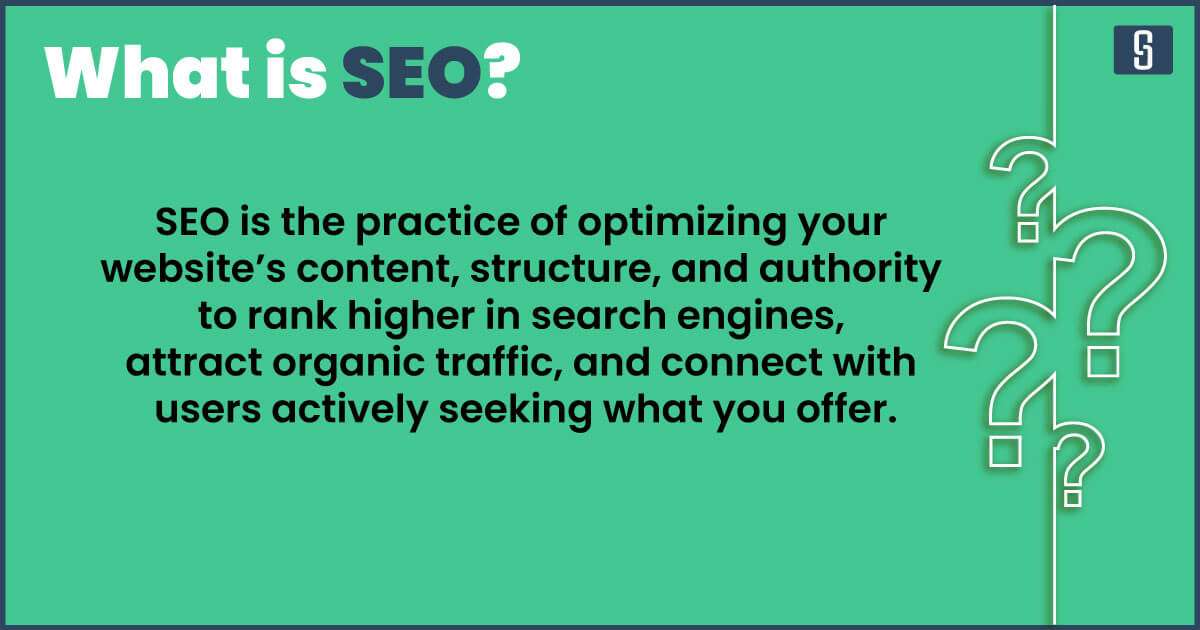
SEO (or search engine optimization) is the process of improving your website’s content and structure to rank higher in Google Search and other search engines. Think of SEO as your secret weapon for capturing users who are actively searching for products, services, or solutions like yours.
SEO involves keyword research, on-page optimization, technical improvements, and building backlinks.
The goal?
To help your site show up at the top of the search results when your target audience types in relevant queries.
Why does it matter?
When you rank on the first page of a search engine, you tap directly into organic traffic—people who are looking for exactly what you offer. Unlike paid search or PPC advertising, this traffic comes to you naturally, without ongoing ad spend. That’s the magic of a strong SEO strategy.
What Is SMM?
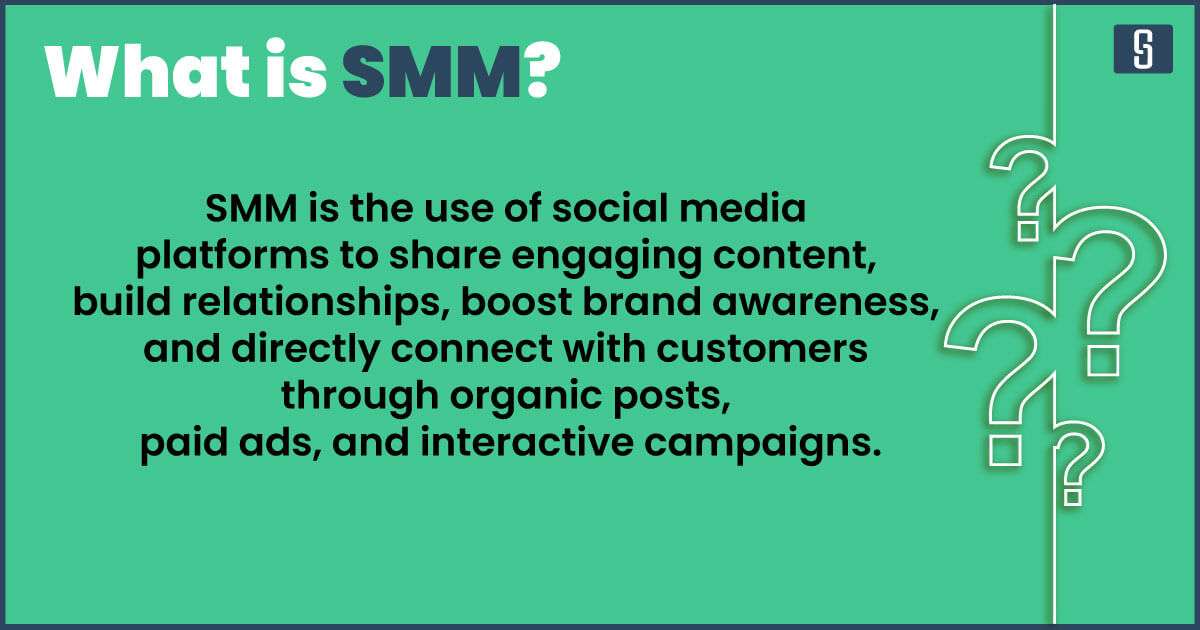
SMM (social media marketing) is about harnessing the power of social networks like Facebook, Instagram, Twitter, and LinkedIn to reach and engage your audience. Here, you create and share content (posts, images, stories, videos) that sparks conversations, builds relationships, and drives brand awareness.
With SMM, you meet your customers where they spend their time: on social media platforms. You can run paid ads, launch influencer campaigns, or simply share valuable content that resonates with your followers.
The result?
Real-time feedback, viral potential, and a direct line to your customers.
SEO vs SMM: How Do They Differ?
Let’s get into the real debate now: search engine optimization vs social media marketing.
While SEO brings users to your site via search engine results, SMM starts the conversation and nurtures a community around your brand. It’s social media optimization at its finest.
SEO Is About Playing the Long Game on Search Engines
With SEO, you’re investing in long-term visibility. Optimizing your website’s content, structure, and authority means your pages steadily climb the ranks in Google Search, Bing, and beyond.
The beauty?
Once you achieve a top spot, you’ll generate a steady stream of traffic without paying for every click.
Key elements of SEO include:
- On-page SEO: Using relevant keywords, optimizing titles and meta tags, improving content quality.
- Off-page SEO: Building high-quality backlinks from reputable sites.
- Technical SEO: Enhancing website speed, mobile-friendliness, and crawlability.
The paid version of SEO is called SEM, standing for search engine marketing. SEM can achieve fast results via paid search (PPC ads) but requires ongoing investment.
SMM Is About Building Community and Buzz on Social Networks
SMM is about striking up conversations and spreading your message across social media sites. Whether it’s launching a product, sharing behind-the-scenes content, or running a contest, SMM gets your brand noticed by the right audience fast. It also excels at humanizing your brand and building relationships.
Key elements of SMM include:
- Social networking: Building communities on platforms like Facebook and LinkedIn.
- Image and video sharing: Leveraging Instagram, Pinterest, and YouTube for visual content.
- Social blogging: Platforms like Medium and Tumblr for long-form content.
- Paid advertising: Running targeted ads on social media to quickly reach specific demographics.
Organic social media marketing builds a loyal audience through regular posting and engagement, while paid SMM quickly gains visibility via ads, but results last only as long as your budget does.
SMM vs SEO: The Pros and Cons
Both strategies have unique strengths and limitations. Here’s what you need to know:
| SEO Pros | SEO Cons | SMM Pros | SMM Cons |
|---|---|---|---|
| Delivers sustainable, long-term traffic from search engines. | Results take time—think months, not days. | Instant feedback and rapid engagement. | Organic reach can be limited due to algorithm changes. |
| Builds authority and trust with your audience. | Requires ongoing optimization and monitoring. | Viral potential—reach can skyrocket overnight. | Requires constant content creation and interaction. |
| Targets users actively searching for solutions. | Highly competitive in many industries. | Direct communication builds brand loyalty. | Paid campaigns can become expensive over time. |
When you’re looking for the difference between SEO and SMM, focus on which better serves your current marketing goals.
SEO vs Social Media Marketing (SMM): Budget Comparison
SMM typically requires a bigger ongoing budget due to paid advertising and the volume of content needed, especially for rapid growth.
Here’s a budget comparison table of SMM vs SEO:
| Factor | SEO | SMM |
|---|---|---|
| Initial Costs | Lower if done in-house. Higher if hiring an agency or doing a technical overhaul. | Usually higher upfront if running paid campaigns or influencer collabs. |
| Ongoing Costs | Mostly labor (content, link building, tech updates). Tools can be fixed-cost. | Constant spend on ads, content, and community management. |
| Time to See Results | Slow (3–6 months+). Long-term ROI. | Fast (instant with ads). Shorter lifespan. |
| Paid Media Cost | Optional (unless doing paid backlinks or content). | Essential for reach and growth (especially post-iOS privacy changes). |
| Content Production | Requires blog posts, technical SEO, content refreshes. | Requires more frequent, visual-heavy content (images, reels, stories, etc.). |
| Tools | SEO tools (e.g., Ahrefs, Semrush, Screaming Frog) usually costing ~$100–$500/month. | SMM tools (e.g., Hootsuite, Meta Ads, scheduling, design) + ad spend. |
| Monthly Budget Range (USD) | $1,000–$10,000+ | $2,000–$50,000+ |
When to Choose Each Channel
Choose SEO if you want steady, high-intent traffic to your website, and you’re willing to invest time for lasting results.
SEO is ideal for content marketing, ecommerce, and service-based businesses seeking to dominate search results.
Choose SMM if you want to build brand awareness quickly, reach a highly targeted audience, and foster engagement.
SMM is perfect for product launches, community building, and brands with visually engaging stories.
Here’s what I recommend:
The best digital marketing strategies combine both approaches. When SEO and SMM work together, you maximize reach, credibility, and conversion potential.
Using SEO and SMM Together in a Digital Marketing Strategy
So, SEO and SMM are most powerful when combined.
Let’s talk synergy then:
- Content promotion: Use SMM to share your SEO-optimized blog posts, driving traffic and social signals that can help your Google search engine rankings.
- Brand authority: Consistent messaging across your website and social media platforms builds trust and recognition.
- Retargeting: Capture visitors from SEO, then re-engage them with SMM ads on Facebook and Instagram.
- Data insights: Social media analytics can spark new keyword ideas for your SEO strategy, while SEO tools reveal trending topics to share on social.
In short, a balanced digital marketing campaign leverages both social media and SEO.
Measuring SEO and SMM Success
How do you know if your SEO or social media marketing is working? Here’s a brief overview of what to track:
| SEO Success Metrics | SMM Success Metrics |
|---|---|
| Organic traffic | Engagement rate |
| Keyword rankings | Follower growth rate |
| Click-through rate (CTR) | Reach |
| Backlinks | Impressions |
| Conversion rate from organic traffic | Referral traffic |
| AI referral traffic | Conversion rate |
Use these KPIs to fine-tune your marketing strategies and justify your investment in digital marketing services.
SEO or SMM: Which to Choose If You’re a Small Business?
As a small business owner, you know that every marketing dollar counts.
So should you invest your precious resources in SEO or SMM?
Here’s how to make the smart choice for your business.
Start with your goals:
- If you need steady, long-term traffic and want customers to find you when they search for solutions, SEO is your best bet. Ranking high in Google search results can bring in a consistent stream of leads without ongoing ad costs. This is perfect if your business relies on people actively searching for your services (think: plumbers, dentists, consultants, online shops).
- If you want to build your brand’s personality, engage directly with your community, or have products that look great in photos and videos, SMM can put you in front of the right audience fast. Platforms like Facebook and Instagram are ideal for businesses that thrive on word-of-mouth, visual appeal, or local buzz (think: bakeries, boutiques, gyms).
Then, consider your timeline and resources:
- SEO takes time (often months) to see results, but those results are long-lasting and can reduce your reliance on paid ads over time.
- SMM can drive immediate attention, especially if you run targeted ads or create viral content. However, it requires ongoing engagement to keep your audience interested.
This is my advice after a decade in digital marketing:
Start with basic SEO to ensure your business can be found online. Then, pick one or two social media platforms where your ideal customers hang out and focus on building relationships there. As your business grows, invest more in both channels—they work even better together.
SEO vs Social Media: My Experience in the Real World
Here’s where the theory meets reality:
Early in my career, I worked with a small business that invested heavily in SEO and saw slow but steady growth in search traffic.
But when we layered in SMM (sharing blog content on LinkedIn and running targeted Facebook ads), their website visits tripled in two months.
The lesson?
SEO and social media marketing aren’t an either/or proposition. In today’s digital world, your marketing strategy should be as dynamic as your audience.
Wrap Up
If you haven’t figured out the SEO vs SMM dilemma already, choose the best fit for your goals and budget at the moment.
Use SEO to capture high-intent traffic from search engines and SMM to build brand awareness and engage your audience on social media platforms.
The smartest digital marketing strategies leverage both, adapting as your audience and objectives evolve.
Embrace the SEO+SMM combination for a future-proof digital marketing strategy that delivers real results.
FAQ
Can I succeed with only SEO or SMM, or do I need both?
While you can see results with just one, combining both maximizes reach, engagement, and conversions.
How do paid ads on social media differ from paid search ads?
Paid social targets users based on interests and behavior, while paid search targets specific queries.
What’s the best way to choose keywords for SEO and SMM?
Use keyword research tools for SEO search, and monitor trending topics on social for SMM inspiration.
How often should I post on social media for effective SMM?
Consistency matters more than frequency—start with 3–5 quality posts per week and adjust based on engagement.