If you want media coverage (and PR backlinks), you need to know how to submit stories to the media so they care about them.
Just think about it:
84% of journalists say PR pros inspire at least some of their stories, but 86% ignore pitches that miss the mark.
That’s why knowing how to pitch your story to the media matters.
I’m Bilyana, and after three years in digital PR, I’ve learned what makes a pitch “great” and how to build relationships that lead to results.
In this guide, I’ll show you how to:
- Find your angle.
- Structure your pitch.
- Send it to the right journalist.
Highlights
- A media pitch is a short, personalized message that aims to earn coverage and PR backlinks.
- Your story needs a clear, relevant hook backed by data or a unique angle to stand out.
- Research the journalist before pitching to ensure your story fits their beat and audience.
- Keep pitches under 200 words, using a simple 3-paragraph structure to make them easy to read.
- Be helpful, honest, and fast. Journalists value clarity and reliability above all.
What Is a Media Pitch?
A media pitch is a short, personalized message you send to a journalist to pique their interest in your story.
In digital PR, that usually means pitching a creative campaign, data study, or industry insight that’s worth covering. These kinds of stories are often designed to earn PR backlinks from high-authority websites.
Most pitches are sent via email, but outreach doesn’t stop there. You might also connect through social media or the occasional phone call, although that happens rarely.
Media pitching is a very important and, therefore, a very hard step in every digital PR campaign. Your entire success depends on whether your story gets noticed or ignored.
Media Pitch vs Press Release
A media pitch isn’t a press release. It’s a targeted message sent to specific journalists with one goal: to persuade them to feature your story. In other words, you’re submitting your story to news outlets or blogs—directly to the people who decide what gets covered.
Unlike a press release, which is broader and often distributed publicly, a media pitch is personalized and tailored to fit the journalist’s beat and audience.
How to Pitch Your Story to the Media: A Step-by-Step Guide
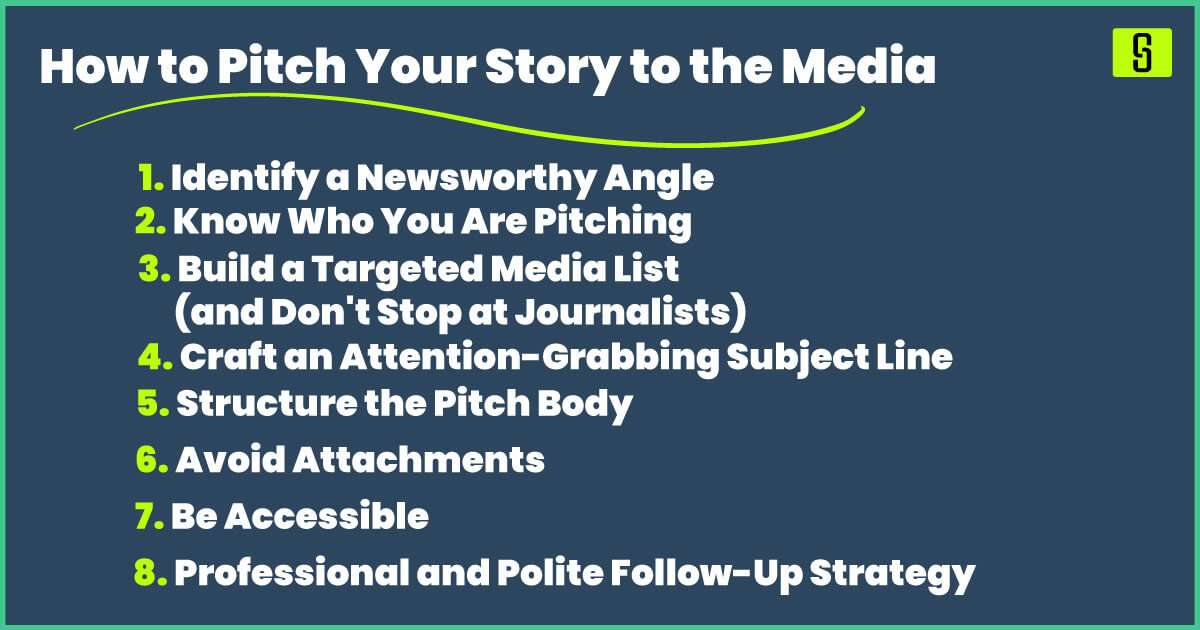
Wondering how to pitch a story to a journalist?
Personally, I believe that pitching the media is less about luck and more about preparation.
So, let’s take a look at what goes into a media pitch strategy.
1. Identify a Newsworthy Angle
Think you’ve got a story that might interest journalists? That’s a great start!
But here is the thing:
Unless the angle of your pitch is clear from the get-go, there is a high chance that it’ll get passed over.
Most pitches fail not because the content is bad, but because the hook isn’t clear.
Here are some quick facts to keep in mind:
- 71% of journalists will skip your pitch if it sounds too promotional.
- 54% want to see solid data or statistics behind the story.
- 49% are more likely to engage with a pitch if it offers a unique angle or fresh perspective.
That’s why your hook matters. And the best ones usually come straight from your content.
So before you hit send, ask yourself:
- What’s the story behind the data?
- Is there a surprising statistic or trend that could be a focus of your pitch?
- Why would this matter to journalists?
Whatever it is, make it timely, make it relevant, and show the journalist why their readers will care.
When you make the job easier for reporters, they’ll make your pitch work.
One powerful way to create timely angles is through newsjacking—the strategy of tying your expertise to breaking news or trending topics in your industry. When done right, newsjacking allows you to ride the wave of existing media interest and position yourself as a go-to source for commentary. The key is speed: you need to identify the trend early and pitch within 24-48 hours while it’s still relevant.
2. Know Who You Are Pitching
There’s something I notice over and over in digital PR.
As soon as the content is done, people rush to find journalists. Often without a clear plan.
What’s more, here is a shocking statistic for you:
Only 3% of journalists say they always get pitches that match what they cover. Nearly half say they seldom or never do.
You see where I’m going with this?
You need to do your research on who you plan to target beforehand.
Journalists have specific beats. Some write about technology, others about fashion, health, or small business.
If your pitch doesn’t fit what they usually cover, they will probably ignore you.
So before you send anything, ask yourself:
Why would this person care about my pitch?
It will take some investigating and digging through past articles, but trust me, it pays off.
3. Build a Targeted Media List (and Don’t Stop at Journalists)
Now that you know that the secret to better media outreach is pitching to the right people, let’s go over how to do it.
I start by looking for journalists (or bloggers) who’ve already covered similar stories.
I go over their latest article to get a feel of their work and the audience they target. This helps me understand which types of news capture their attention.
Here is where I look for potential journalists to target:
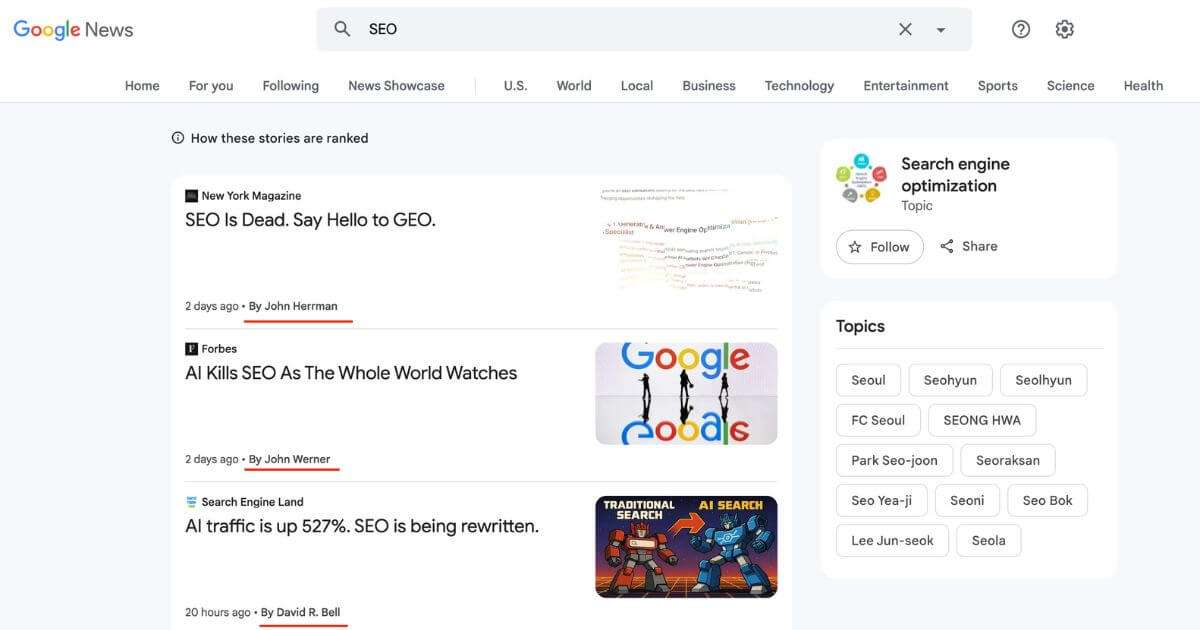
- Google News: Search your topic niche and check who’s covering it right now.
- LinkedIn: Many journalists use this platform. In fact, 60% of journalists say that they find it trustworthy. That makes it a great place to start building relationships and introducing yourself.
One easy way to use LinkedIn for media outreach is to search for employees at the specific outlets where you’d like your campaign to be featured:
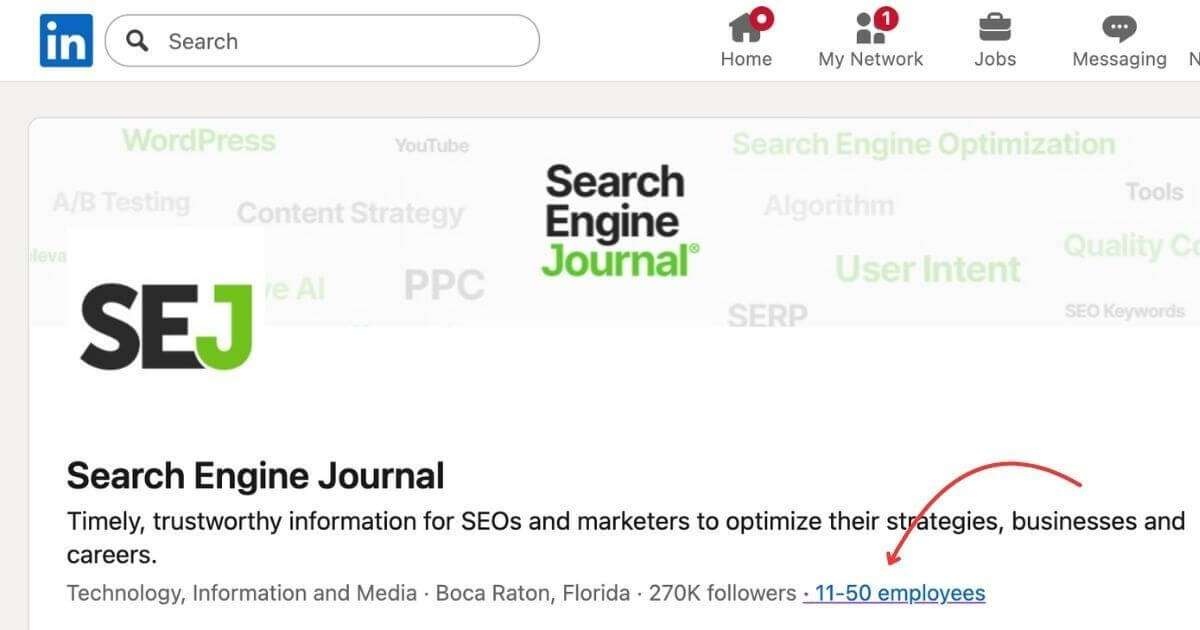
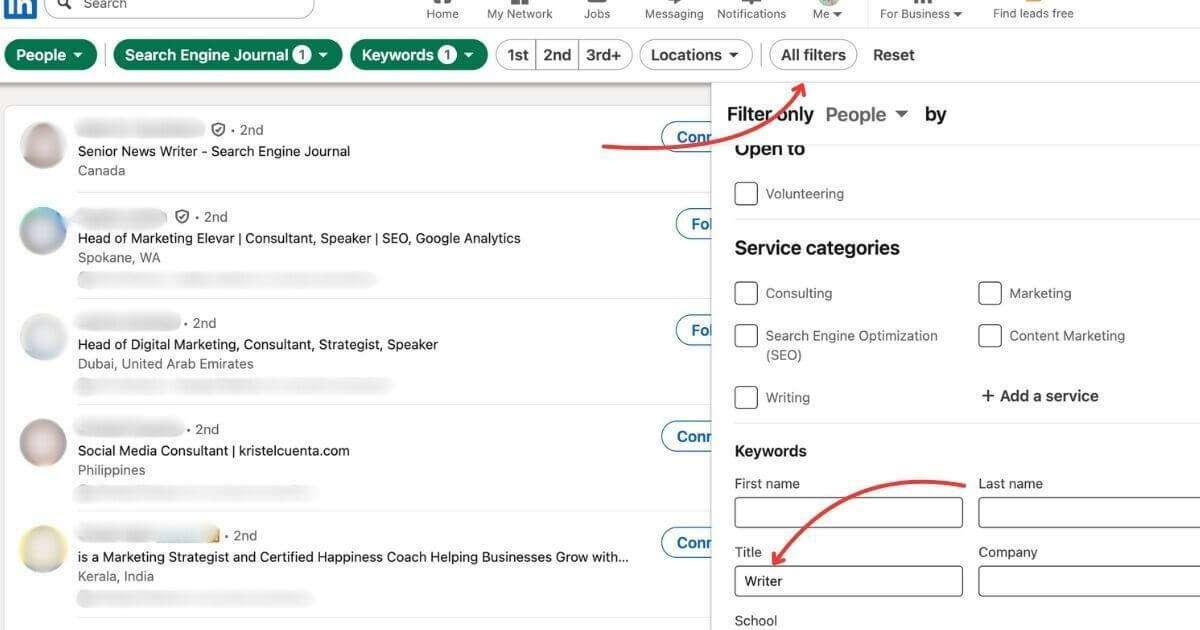
This helps you find the right contacts fast, without guessing who covers what. You can then add more filters to refine your search:
- Other social media platforms: Facebook is now ranked more valuable than X (formerly Twitter) by journalists compared to the previous year. And Bluesky is getting more popular in North America. So, consider checking those, too.
- Competitor coverage: If someone covered a digital PR campaign of your competitor, they might be open to covering yours, too. A simple Ahrefs search can help find the right journalists. Paste the campaign URL in the search bar and go to Linking authors to see who has covered the story:
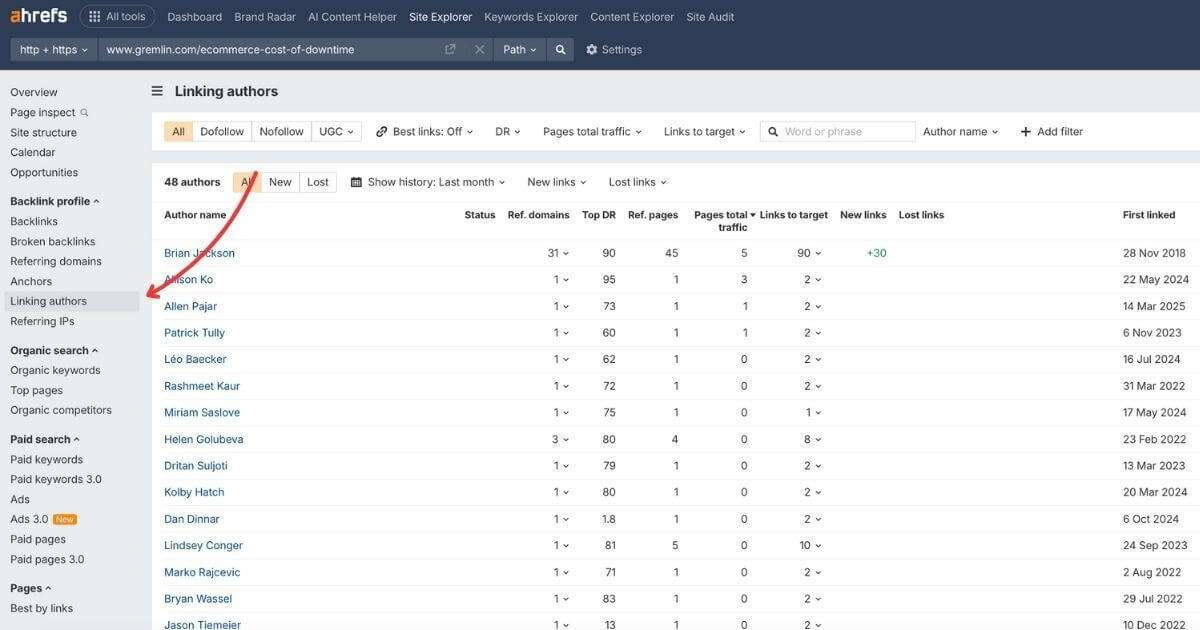
Then, you can check the domains that those authors are associated with and choose the ones you find most suitable for your cause.
- Media databases: If you have access to tools like Muck Rack or Prowly, they can make the search easier. For example, this is how Muck Rack looks in practice:
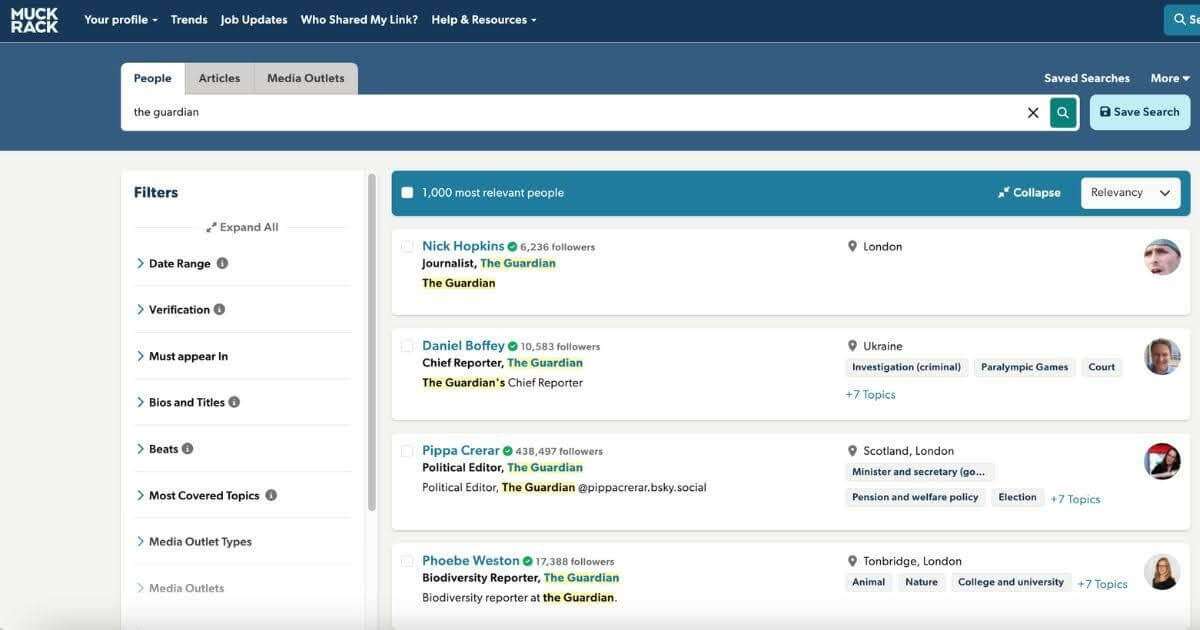
Remember that your goal is to build the right media list, even if it’s not a big one.
A well-researched list of people who are likely to care about your story will always beat a long, generic one.
4. Craft an Attention‑Grabbing Subject Line
Your subject line is your first impression, and you only get about five words to make it count.
That’s what most journalists will see before deciding whether to open your email or send it straight to the trash.
So keep it:
- Short
- Specific
- Clear
Skip the fluff, the hype, and anything that sounds like marketing speech. Journalists aren’t looking for “groundbreaking innovations” or “revolutionary solutions.” They’re looking for catchy stories.
And here’s the thing:
If your subject line looks like a mass email, it’s game over.
Even if your pitch is solid, a generic or spammy subject line makes it feel impersonal. And that’s an instant turn-off for many journalists.
Here are a few subject lines that scream mass email:
- “Exciting story idea for you!”
- “Press Release: FOR IMMEDIATE RELEASE”
- “Collaboration Opportunity”
Why do these fall flat?
Because they’re vague and could’ve been sent to anyone. They don’t reference the actual story or anything specific, so they get ignored fast.
Instead, you want something that sparks curiosity and hints at what your email contains.
Here are some examples of good subject lines:
- [Pitch] 3 Surprising Stats About Remote Work Burnout
- [New Data] Gen Z’s Most Trusted Brands in 2025
- [Report] What 1M Search Queries Say About Summer Destinations
Leading with a bracket, like [Pitch], [Report], [New Data], or [Expert Insight], immediately tells the journalist what to expect.
If your subject line reads like a headline, you’re on the right track.
5. Structure the Pitch Body
How long do you think a pitch should be?
Here is an interesting fact that will answer that question:
69% of journalists think that a “perfect” pitch should be under 200 words.
This isn’t surprising at all, considering that most of them get 5+ pitches a day.
So, if you’re wondering how to write a media pitch that gets read, keep it short and structured.
I recommend sticking to 3–5 short paragraphs. A simple 3-paragraph structure works best:
- Paragraph 1: The hook
Start with why it matters. Give them the context right away, don’t bury the lead.
Example: “A new survey shows that 3 in 4 Gen Z employees are quietly quitting, and it’s costing companies more than they think.”
- Paragraph 2: The details
What’s the story? Who’s involved? Why did you decide to do the research now?
Example: “We surveyed 1,200 Gen Z workers across the US to uncover what’s driving this trend. The data reveals a clear connection between lack of feedback and disengagement.”
- Paragraph 3: The ask
Are you offering an interview, exclusive data, or a follow-up?
Example: “I’d be happy to send over the full data set or connect you with our researcher for a quick chat.”
Also, if there’s room, use bullet points to make the main observations more skimmable. The easier you make it for them to say yes, the better your chances.
5. Avoid Attachments
Unless absolutely necessary, skip the attachments.
Only 26% of journalists say they want to receive multimedia content in a pitch. What they actually prefer are:
- Straightforward news announcements (72%)
- Exclusive story angles (57%)
- Original research and trend data (55%)
If you do need to include an image or PDF, don’t make it the centerpiece of your pitch.
Instead, link to it externally (like a press page or Google Drive link) and keep the focus on your story.
Attachments can trigger spam filters or annoy the recipient enough to ignore your email entirely.
6. Be Accessible
If a journalist wants to follow up, don’t make them work for it. If they can’t quickly find a way to contact you, they’ll likely move on to the next source.
That’s why I always include a direct email, a backup contact method (like LinkedIn), and make sure my signature has everything they might need at a glance.
The easier you make it for them to respond, the more likely they are to do it.
7. Professional and Polite Follow‑Up Strategy
Most journalists won’t reply to your first email, and that’s normal.
In fact, 54% say they seldom or never respond to PR pitches, and only 22% usually or always do.
That’s why a polite follow-up can make all the difference if done right.
Here’s what I recommend:
- Wait 5–7 days before following up (that’s what most journalists prefer).
- Keep it short and respectful. Just remind them of your story and highlight one interesting insight they may have missed.
- Only follow up once. 50% of journalists say one follow-up is ideal. After that, let it go. You don’t want to burn a bridge by being too pushy. Otherwise, you risk getting blocked.
Sometimes, silence just means the story wasn’t the right fit right now, but that doesn’t mean the door is closed forever.
Extra Tip: Always Think About The Value You Are Bringing
When you reach out to a journalist, don’t just think about what you want.
Ask yourself:
Why would they care?
Even if you’re not pitching the next first-page story, you can still be useful:
- Offer yourself (or your client) as a future source: If you’re knowledgeable in a niche area, just mention it casually in your email. Journalists often keep lists of people they can reach out to when they need a quote.
- Make the story easy to tell: Clear, digestible data, a strong hook, and ready-to-use statistics save journalists time. That’s real value.
- Don’t overcomplicate things: Sometimes, value just means not making their job harder. A short, clean email with everything they need (who, what, why, and how) can go a long way.
I always try to think of myself as a helpful collaborator, not just a PR person trying to get a link. That mindset changes everything for me.
Media Pitch Examples
I asked PR experts to share one of their most successful digital PR outreach campaigns.
One of them, Monika Kalinova, Head of PR at DesignRush, told me about a project aimed at positioning the brand as the go-to authority for B2B agency rankings and industry news.
“The goal of the campaign was to make a resource directory of the best agencies, sorted by industry and service, that would be very useful,” Monika shares.
Through targeted outreach to publications covering B2B marketing and branding, and personalized pitches tailored to each journalist’s audience, the campaign earned 15+ high-quality backlinks and boosted organic visibility.
Here’s the email template they used:
“Subject Line: “Top B2B Agencies to Watch in 2025: Curated List for Your Readers”
Body: Hi [Journalist’s Name],
I hope you’re well! I’m reaching out because we’ve just compiled a comprehensive list of the Top B2B Agencies in [Industry/Service], highlighting the best agencies that are driving innovative solutions for businesses like [Their Company/Brand]. Given your coverage of B2B trends and marketing insights, I thought this resource might be a great fit for your audience.
Why this matters:
We’ve categorized agencies based on their expertise and track record in the industry, making it easier for businesses to find the perfect partner for their needs. You can check it out here: [link]
Would you be interested in including this in your upcoming article on [related topic]? I’d be happy to share further insights or provide any additional information.
Looking forward to hearing from you!
Best,”
The next expert, Ramzy Humsi, Founder & CEO of Vortex Ranker, didn’t share a template, but he did share a subject line that drove the most results:
“Data: 1 in 5 Local Listings Are Fake – See Breakdown by City”
His team built a Google Maps data set showing fake vs. real businesses in major US cities and pitched it to 50 journalists covering local business, fraud, and consumer news. The email was short, with no attachments—just key statistics, a quote, and a link to the live dashboard.
The campaign earned 22 backlinks and boosted organic traffic by 38% in 90 days. Several links still send referral traffic a year later.
Pro Tips on Pitching the Media
When you pitch stories to the media, keep in mind that you’re starting a relationship with the journalist reading it.
Based on what worked for me, here are a few tips to help you pitch smarter and get better results:
1. Relationships go a long way
50% of journalists say that having strong relationships with PR professionals helps them do their job better. So if you’re only reaching out when you want coverage, you’re missing a big opportunity.
Pro tip:
I often start by introducing myself over email.
And the data confirms that it’s a good approach: 85% of journalists prefer it. Keep it short and genuine. A simple compliment on their recent work or sharing relevant insights goes a long way.
2. Stick to email
When it comes to outreach, email is the clear winner. 96% of journalists say they want to be contacted by email first, not social media, not phone, not DMs.
In short:
Unless you already have a personal connection, email is the way to go.
3. Be helpful, not just newsworthy
Journalists are dealing with tight deadlines, shifting audience habits, and growing pressure to stay credible.
In fact, 42% say adapting to changing media consumption is one of their biggest challenges, and 40% mention the ongoing battle against misinformation.
That’s where you come in. By being fast, transparent, and providing reliable data or research, you make their job easier and position yourself as someone worth working with again.
4. Be honest about what you can deliver
If you’re still waiting on a quote or approval, say so. If something changes, update them.
Journalists appreciate honesty and reliability more than hype, and being upfront helps build long-term trust.
Wrap Up
If there’s one thing to take away from this “how to pitch your story to the media” guide, it’s this:
Great media coverage doesn’t happen by chance. It’s the result of hard investigative work.
We covered everything from finding a strong angle to building a targeted media list, writing subject lines that actually get opened, and following up without being pushy.
These are the exact steps I’ve used over the past three years to earn coverage and backlinks from high-authority publications. And I hope they will help you earn the kind of links and visibility that matter.
FAQ
What makes a great media pitch?
A great pitch is short, clear, and tailored to the journalist. Stick to 200 words or less, lead with key details, and explain why the story matters to their audience. And last but not least, use bullet points and avoid fluff.
Why is storytelling so crucial in pitching stories to the media?
Because pitch storytelling helps journalists instantly see the human angle or emotional hook behind your story. Even if you’re sharing data, journalists want a narrative they can build on. A surprising or emotionally engaging story can help them get the attention of their audiences. And if you provide journalists with that information, they are more likely to choose your pitch.
How do I determine if my story is newsworthy and relevant to my target publication?
If your story offers fresh data, a unique take, or ties into current events, there’s a good chance it’s newsworthy. Look at what your target journalists have covered recently—if your angle fits into those conversations, it’s probably a good match.
What are common mistakes to avoid when pitching my story to journalists?
Avoid being too promotional, sending generic mass emails, or writing long, vague pitches. Journalists want relevant, well-targeted stories, so keep it short, skip attachments, follow up politely once, and make it easy for them to say yes.
References:
Cision State of Media Report: https://www.cision.com/resources/guides-and-reports/2025-state-of-the-media-report/
Muck Rack State of Journalist Study: https://muckrack.com/research/the-state-of-journalism