If you’re not tackling your local SEO tasks with ruthless precision, you’re letting your competition snatch customers right from under your nose.
I’ve watched local businesses—coffee shops, law offices, real estate agencies, you name it—either skyrocket or flatline, all based on how seriously they take their local SEO.
After a decade in SEO, I’ve built and rebuilt more local rankings than I can count. Want to know what actually works?
Read on—this is the local SEO checklist you’ll wish you had years ago.
Highlights
- Consistent, complete Google Business Profile and website info are crucial for local rankings.
- Google reviews and NAP accuracy directly impact local SEO results.
- Unique, locally focused pages outperform generic copy every time.
- Local backlinks and citations build trust with search engines.
- Tracking, technical SEO, and regular audits keep your business ahead in local search.
Why Does Local SEO Matter?
It’s as simple as that:
You might have the best coffee in town, but if you’re not showing up when folks search on Google, you’re invisible.
Nowadays, people don’t just wander around hoping to stumble across your storefront. They check Google Maps, look for Google reviews, and make decisions in seconds. If you don’t appear in those Google search results, your competitor gets the sale, not you.
I’ve seen it time and again: a business owner thinks word of mouth will carry them, but in reality, visibility online is what drives new customers.
In this digital age, implementing effective SEO tips for small business is crucial to increase online visibility and attract a broader audience. By optimizing your website and content, you can improve search rankings and connect with potential customers actively looking for your services. It’s essential to stay updated on best practices to ensure your business remains competitive in the ever-evolving online marketplace.
That’s why every item in this local business SEO checklist needs your attention.
Must-Perform Local SEO Tasks (A Simple Checklist I Use Myself)
Let’s start with the basics and work our way up. These aren’t just nice-to-haves—they’re musts. And I’ll sprinkle in some hard-won lessons along the way.
1. Conduct Local Keyword Research
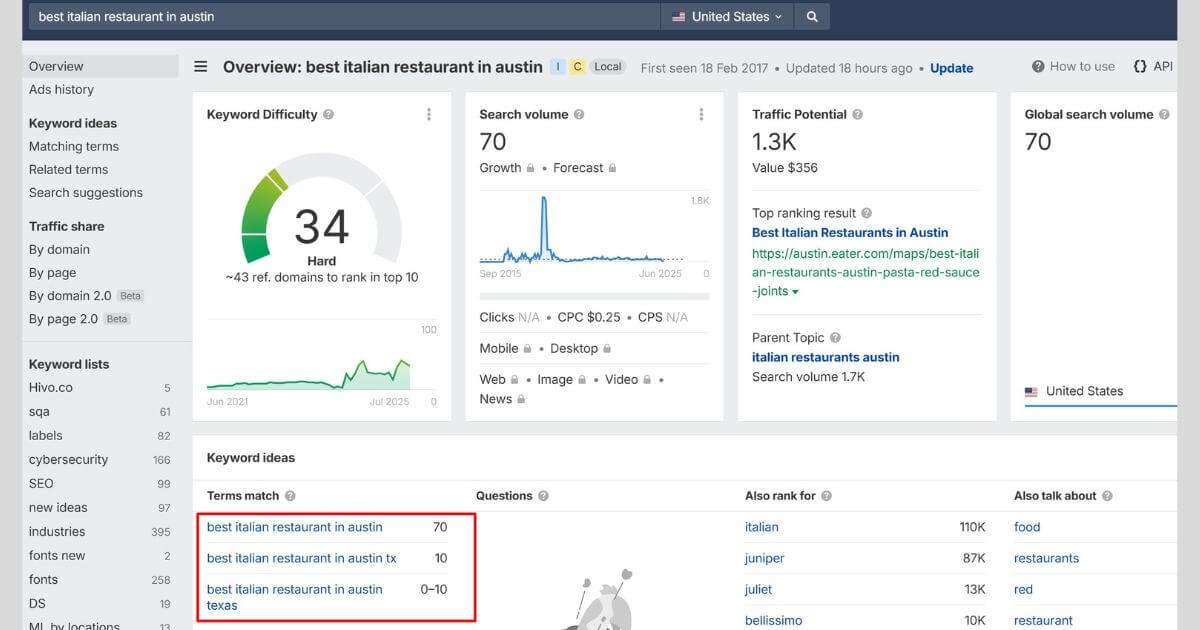
Don’t just guess what people type into Google. Look it up. I recommend using a keyword research tool or even Google’s own suggestions.
Pay attention to real search phrases people use in your area—think “coffee shop open late [city]” or “best plumber near me.” These are the lifeblood of your local SEO strategy.
When you find a strong local keyword (with decent search volume and low competition), make sure there’s a page on your website targeting it. One keyword, one page.
If you want to get even more strategic, check out your top competitors using tools like Ahrefs or Semrush. See which keywords they’re ranking for in your city. This way, you’ll find gaps and opportunities for your own business.
2. Set Up and Optimize Your Google Business Profile (GBP)
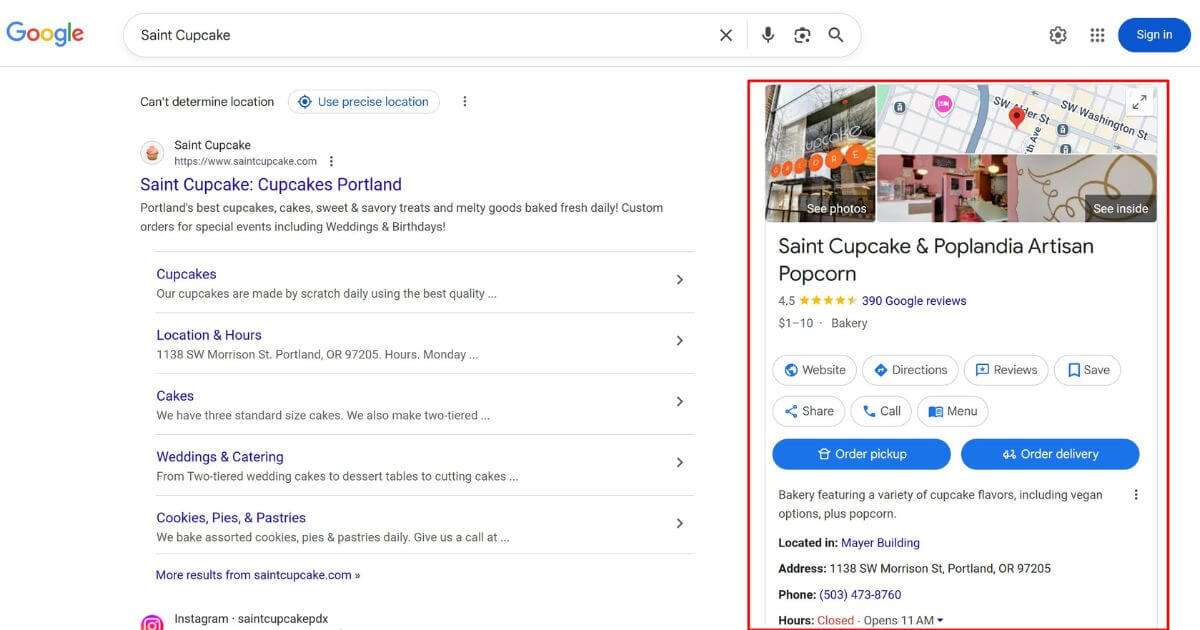
If you skip this, you might as well not bother with the rest of your local SEO tasks. A fully completed Google Business Profile is your ticket to showing up in Google Maps and the local pack.
Here’s what matters: your business name, physical address, and phone number (or NAP in SEO lingo) must be exactly the same everywhere—your website, Google profile, and all your citations. If there’s a mismatch, Google gets confused, and you lose trust.
Choose the right categories, fill out every section, add real photos, and answer every question you can. Google gives you a completion score, so don’t stop until it’s 100%.
One mistake I see all the time?
Businesses often pick a broad category instead of a specific one. For example, “Restaurant” instead of “Coffee Shop.” Specificity gets you more relevant traffic.
3. Ask for Reviews
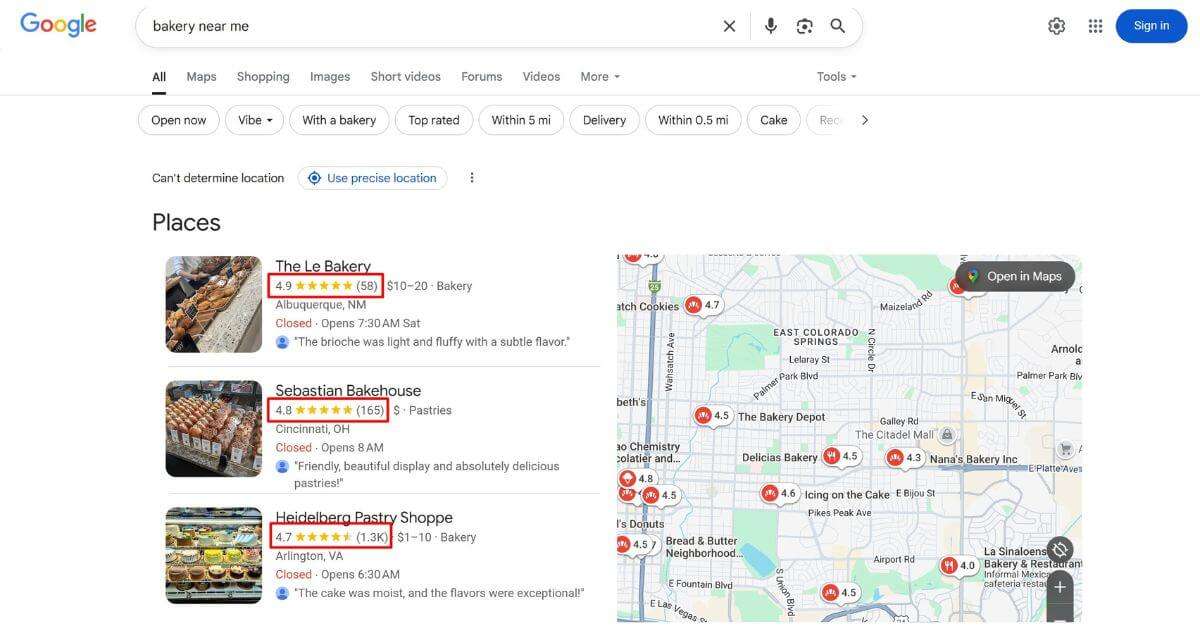
I’ve watched businesses leapfrog the competition in the Google Maps pack just by getting more (and better) reviews. This isn’t just about vanity—reviews are a heavy ranking signal.
So, don’t be shy. Ask every happy customer to leave a review. Make it easy for them: text them the link, email it, or print a QR code for your counter.
My advice is to respond to every review, good or bad. Use your local keywords naturally in your replies where it fits.
If you get a negative review, don’t panic. Respond quickly, own any mistakes, and show you care. People notice, and so does Google. A thoughtful response can turn a one-star review into a customer for life.
Over time, your review count and average rating will become a magnet for new customers. Many people filter by “best rated” or only consider businesses with lots of recent five-star reviews.
4. Make Your Website a Local SEO Magnet
Many local businesses treat their website like an afterthought. That’s a mistake. Your website must be a conversion tool for your local SEO strategy.
Start with the basics:
Each location or service area should have its own page with unique content. Don’t copy and paste. Google hates that, and so do your customers.
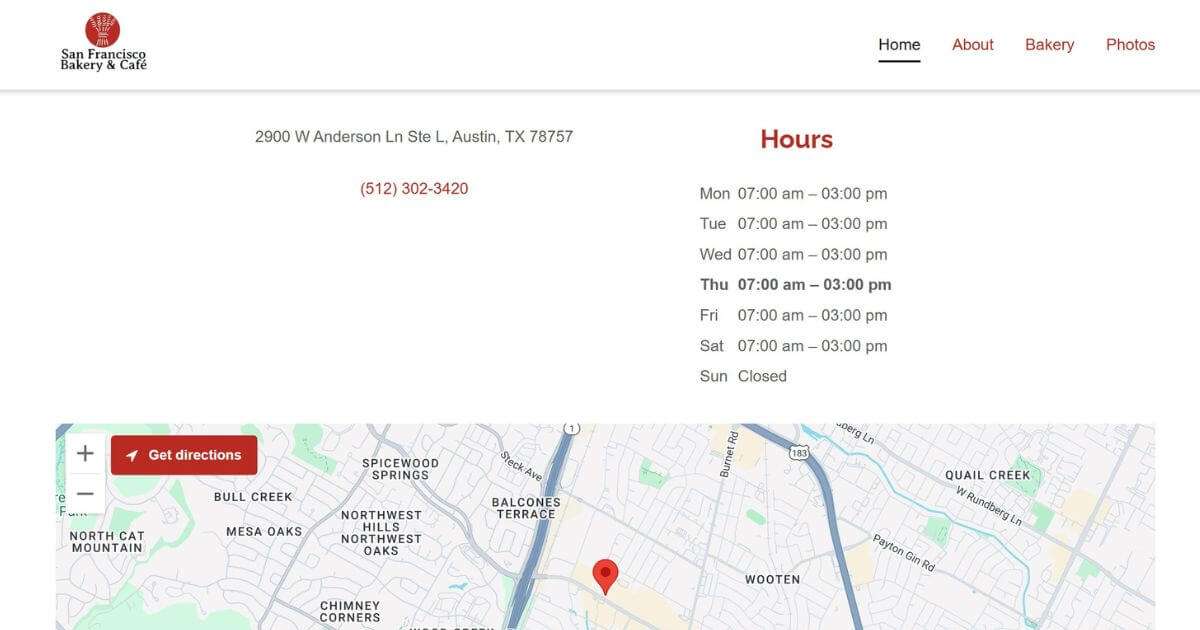
Embed a Google Map on your site, and list your NAP exactly as it appears on your Google profile. Sprinkle in your keywords in the title tags, headings, and naturally throughout the copy.
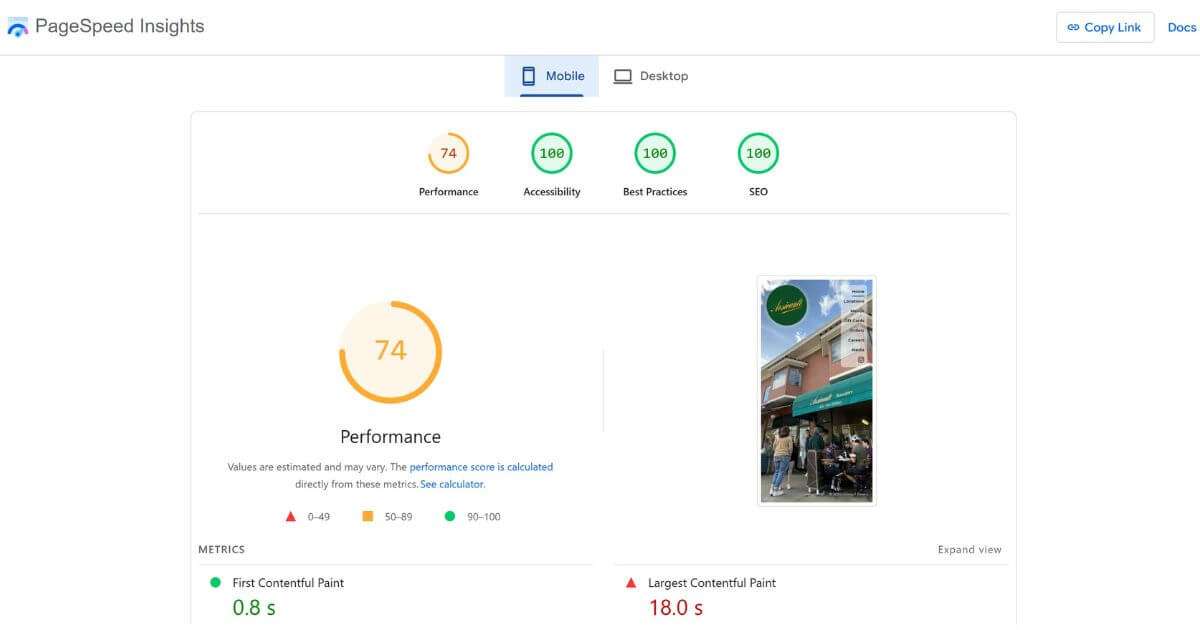
Don’t forget technical SEO. If your site loads slowly, fails Core Web Vitals, or is a mess on mobile, you’ll never reach your ranking potential. Honestly, fixing page speed and mobile issues alone has saved clients from complete obscurity.
If you want to take it up a notch, add structured data (local business schema) to your pages. This helps search engines understand your business, and can get you rich results like FAQ snippets or hours of operation in the search results.
5. Build Strategic Citations
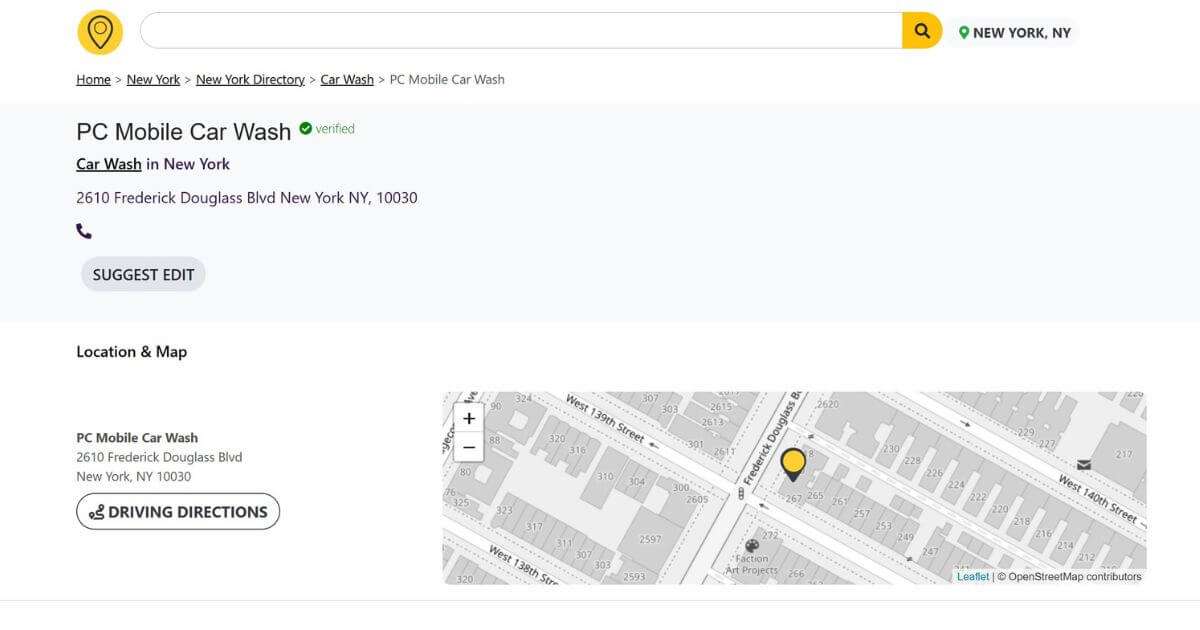
Citations are simply mentions of your business on other sites, such as Yelp, Yellow Pages, Facebook, and industry directories.
But here’s the catch:
Every single citation must match your Google business profile information EXACTLY. That means no spelling mistakes, no mismatched suite numbers, and no old phone numbers.
I’ve spent hours tracking down rogue citations for clients who moved, only to find their rankings tanked because they forgot to update a handful of directories. Don’t let this happen to you. Keep a spreadsheet, and update everything any time your info changes.
Local citations act like trust signals for Google. The more high-quality, consistent mentions you have, the more search engines trust that your business is legitimate and established.
6. Acquire Local Backlinks
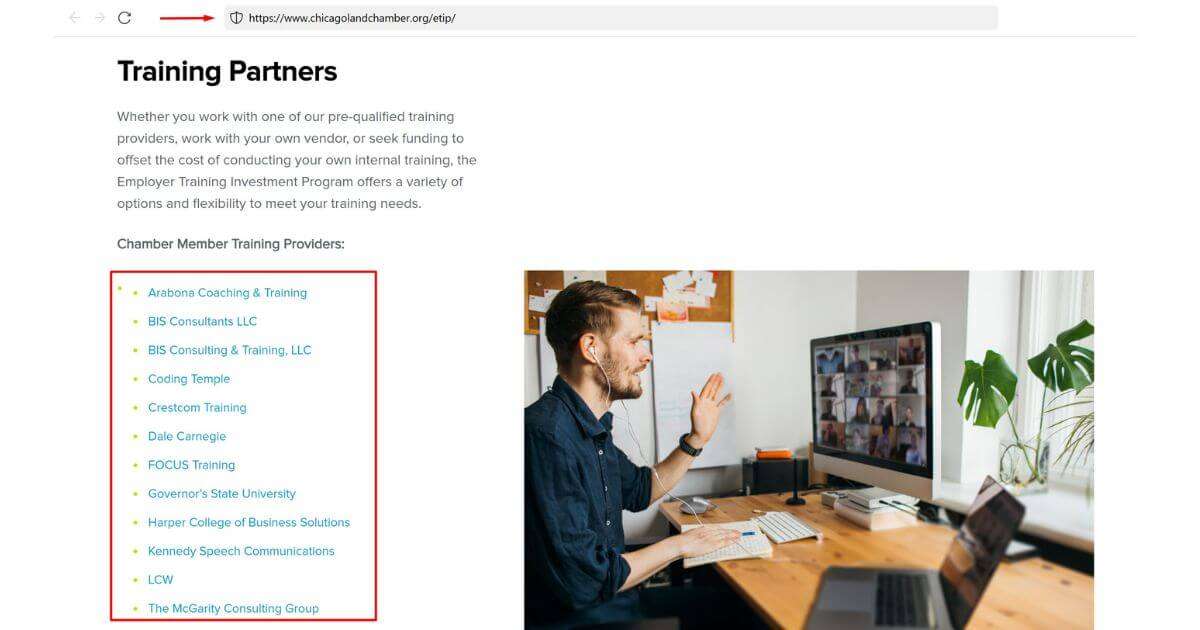
Backlinks still matter, and they are all about quality and relevance. Links from other local businesses, your chamber of commerce, or local news outlets send massive trust signals to Google.
Partner with nearby businesses, sponsor events, and get listed in local publications. These aren’t just SEO wins—they’re great for real-world networking too.
I’ve seen a single link from a respected local blog push a business from page two to the coveted map pack.
If you’re not sure where to start, ask current business partners, suppliers, or even friendly competitors. A little outreach can go a long way.
7. Track and Measure
You can’t improve what you don’t measure. Set up Google Search Console, Bing Webmaster Tools, and a rank tracker.
Keep a close eye on your search console data, and track your rankings for the keywords that matter. Google Analytics will show you where your web traffic is coming from.
I always tell clients that it’s best to review data weekly. That’s how you catch issues before they spiral. If calls drop or website visits slow down, you’ll know to check your Google Business Profile or run a quick SEO audit.
My Hard-Earned Local SEO Lessons
I’ve been called in to rescue local SEO disasters. Here’s what I wish every business owner knew:
- If your NAP isn’t consistent, you’re giving Google a reason to doubt you.
- If you ignore Google reviews, you’re leaving easy wins on the table.
- If you create generic, thin location pages, you’ll never beat someone who actually cares about their content.
- If you stop tracking, you’re flying blind.
It’s all about discipline and consistency. That’s what separates local winners from everyone else.
I advise you to revisit your local SEO checklist at least twice a year. Markets change, competitors adapt, and algorithms evolve. What worked six months ago may not be enough today.
Real Results: How Local SEO Turned a Business Around
I worked with a small local business that was struggling to get noticed online. They had rave reviews from regular customers, but they were buried on page three for the targeted local keyword.
I found the problem:
Their Google Business Profile had a typo in the phone number, and their address was listed three different ways across the web.
I rolled up my sleeves and fixed every citation, optimized their profile, added real photos, and trained the staff to ask for reviews. I also created a dedicated location page with a Google Map embed and unique, locally focused content.
Three months later, they were the top result in the local pack. That’s the power of consistent, focused work on your local SEO tasks. There’s no magic—just discipline, measurement, and a willingness to sweat the details.
Wrap Up
If you want to be the business everyone finds on Google Maps or in the top Google search results, you don’t need another “ultimate guide.” You need to work this checklist, week in and week out.
Don’t wait for your competition to get lazy—outwork them. Be more consistent. Sweat the details.
And if you ever feel stuck, get help from someone who’s seen every mistake and every comeback in the book.
FAQ
How long does it take to see results from local SEO tasks?
Many businesses see improvement in map rankings and organic traffic within 3–6 months. However, sometimes you’ll see small wins, like more phone calls or map views, even sooner.
What are the most important local SEO factors?
Consistent NAP (name, address, phone); a fully optimized Google Business Profile; high-quality, recent Google reviews; unique, local-focused website content; and high-quality, consistent citations. Don’t forget backlinks from local partners and news outlets.
Should I care about Bing Webmaster Tools and Bing Local?
Yes. While Google is the giant, some demographics use Bing (and voice assistants powered by Bing). Bing Places is easy to set up and can bring in extra traffic with minimal effort.
Is social media important for local SEO?
It won’t directly affect your rankings, but an active presence (with consistent business info) boosts trust, drives reviews, and earns links and citations. Plus, some customers will find you on Facebook or Instagram first.
Do I need a separate page for every city I serve?
If you want to rank organically in multiple locations, yes. Make each page unique and genuinely useful for that audience. Don’t spam city names or use duplicate content.
What’s the best way to track results from my local SEO tasks?
Use a combination of Google Analytics, Google Search Console, Bing Webmaster Tools, and a rank tracker. Track phone calls, form submissions, and store visits as well.