If you want to dominate your city’s search results, understanding, measuring, and tracking the key metrics for local SEO success is the only way forward.
After a decade in the local SEO industry, I’ve seen too many businesses throw money at tactics without tracking what really matters.
In this guide, you’ll learn the exact metrics for local SEO that separate the winners from the runner-ups.
So, are you ready to turn your local search analytics into profit?
Let’s take a closer look.
Highlights
- Tracking key metrics for local SEO success drives measurable business growth.
- Google Business Profile actions and local rankings are crucial for visibility.
- Citation consistency and review management build trust and authority.
- Engagement and conversion metrics reveal real customer impact and ROI.
- Regular analysis and action on data help you outperform local competitors.
Why Is Tracking Local SEO KPIs Important?
Tracking local SEO key performance indicators (KPIs) matters because your potential customers are searching for you right now. If your business isn’t showing up, you’re giving away customers to competitors who are laser-focused on the right metrics for local SEO.
Let’s dig a bit deeper:
With search engines increasingly prioritizing local results and users expecting hyper-relevant answers to their queries, the businesses that take local search seriously are the ones reaping the rewards.
People are searching for services “near me,” and those searches often signal immediate intent. For example, someone searching for a “car repair near me” or “café open now” is usually ready to act.
But how do you know if your efforts are paying off? How do you separate the noise from the signals that matter?
That’s where tracking local SEO metrics comes in.
What Are the Key Metrics for Local SEO Success?
Every local SEO campaign I’ve ever worked on comes back to three pillars: visibility, engagement, and conversion.
Using SEO as a marketing channel can make or break a business’s online presence. Emphasizing the importance of search engine optimization not only boosts visibility but also fosters genuine engagement with potential customers. As more consumers turn to search engines for information, understanding how to effectively leverage this channel is crucial for driving conversions.
If you’re not visible online, you’re missing opportunities. If people find you but don’t engage, you’re just background noise. And if they engage but never convert, you’re missing out on the only metric that truly counts—new business.
Let’s break down each of these pillars, exploring the key metrics and why they matter:
Visibility: Are You Being Seen by the Right People?
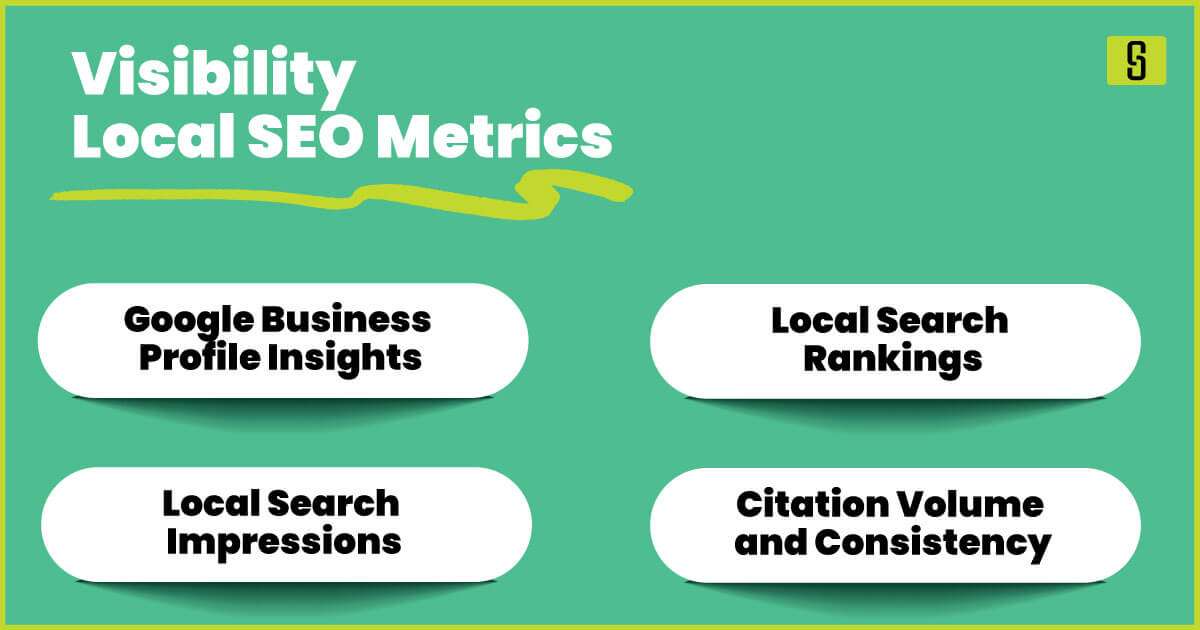
The first step in local SEO is making sure your business actually appears where your customers search. This is about showing up in the right places, at the right time, for the right queries.
The most important metrics for visibility include:
1. Google Business Profile Insights
Your Google Business Profile (GBP) is often the first thing a potential customer will see. If you’re not tracking the data from your GBP, you’re missing a goldmine of insights.
Here’s what you should look at:
- Searches: How many people are finding your listing through direct searches (your business name or address) versus discovery searches (a category, product, or service)?
- Views: How many times does your profile appear in search results and on Google Maps?
- Map actions: Are people clicking for directions, calling your business, or visiting your website directly from your GBP?
- Photo views: Are your photos attracting attention, or are they being ignored?
By analyzing these numbers over time, you can spot trends and understand the impact of the changes you make to your profile.
For example, adding new photos or updating your business description can often lead to a noticeable uptick in views and engagement.
2. Local Search Rankings
It’s one thing to appear in search results, but it’s another to be at the top. Tracking your rankings for target keywords in your local area is a must.
This is about ranking for the terms your ideal customers search for, like “best pizza in [city]” or “emergency plumber near me.”
Modern rank tracking tools, such as Semrush, allow you to see exactly where you stand in different neighborhoods and devices, which is critical since local results can change dramatically based on a searcher’s location.
3. Local Search Impressions
Beyond rankings, you want to know how often your business is being shown to potential customers in local search features, such as the Map Pack (the set of three businesses highlighted in a box at the top of local search results) or local finder. Tracking impressions helps you understand your reach and spot opportunities for further optimization.
4. Citation Volume and Consistency
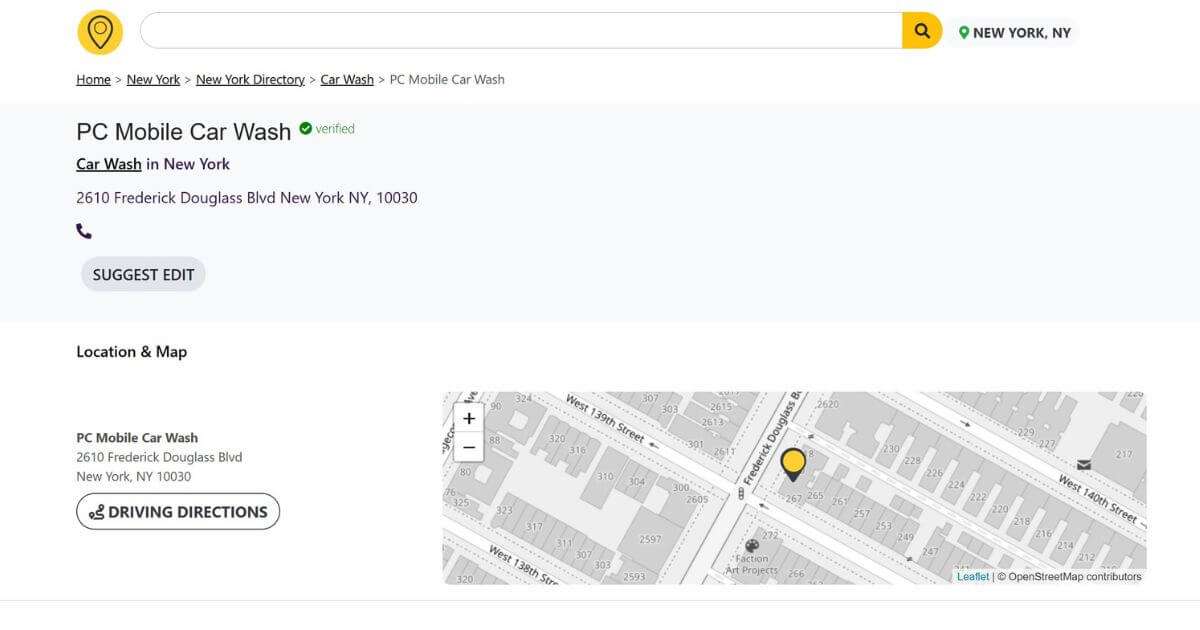
Citations are mentions of your business name, address, and phone number (NAP) on local directories. They are a foundational ranking factor.
It’s not just the number of citations that matters but their consistency. Tools like Moz Local or BrightLocal can help you audit your NAP across the web and fix inconsistencies that may be hurting your visibility.
Engagement: Are People Interacting With Your Brand?
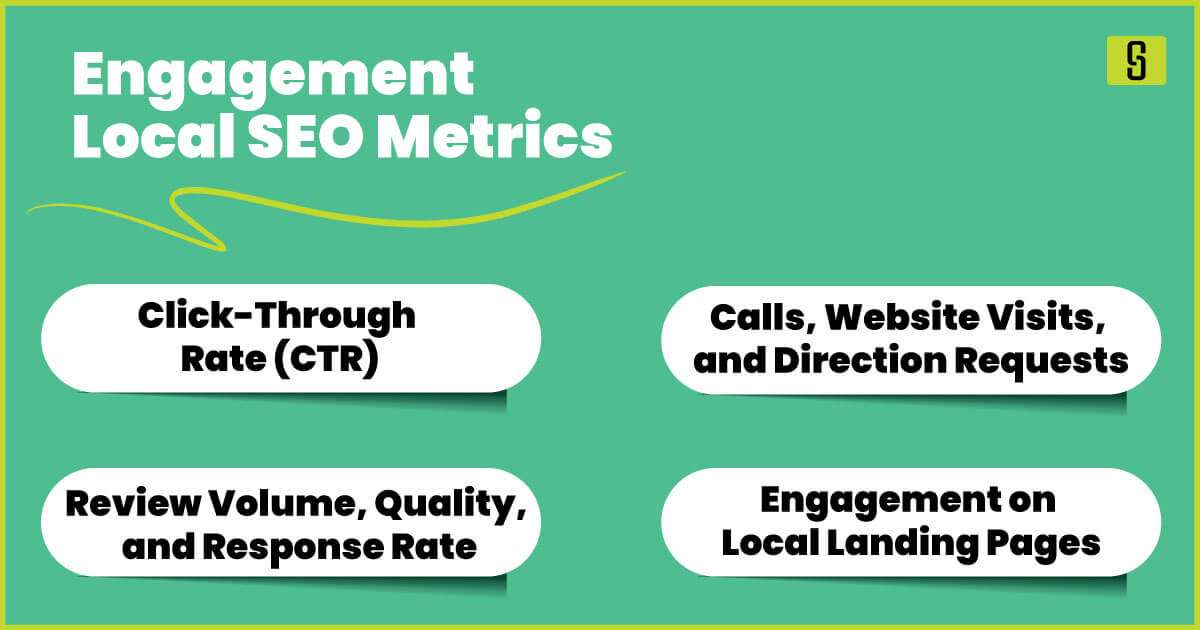
Visibility is only the first step. Once people find you, you want them to interact with your business. Engagement metrics show how well your listing and website are attracting and holding the attention of your local audience.
5. Click-Through Rate (CTR)
CTR is among the key metrics for local seo success. It measures how often people who see your listing click on it. A high CTR indicates your business is appealing to searchers, while a low CTR suggests your listing could use improvement, whether through better photos, more compelling descriptions, or stronger review profiles.
6. Calls, Website Visits, and Direction Requests
These are the core engagement actions tracked directly in your Google Business Profile Insights. Each action represents a potential customer moving one step closer to becoming a paying client.
- Calls: Are people picking up the phone after seeing your listing?
- Website visits: Are they interested enough to learn more?
- Direction requests: Are they planning to visit you in person?
Increasing these actions is often a direct path to more revenue.
7. Review Volume, Quality, and Response Rate
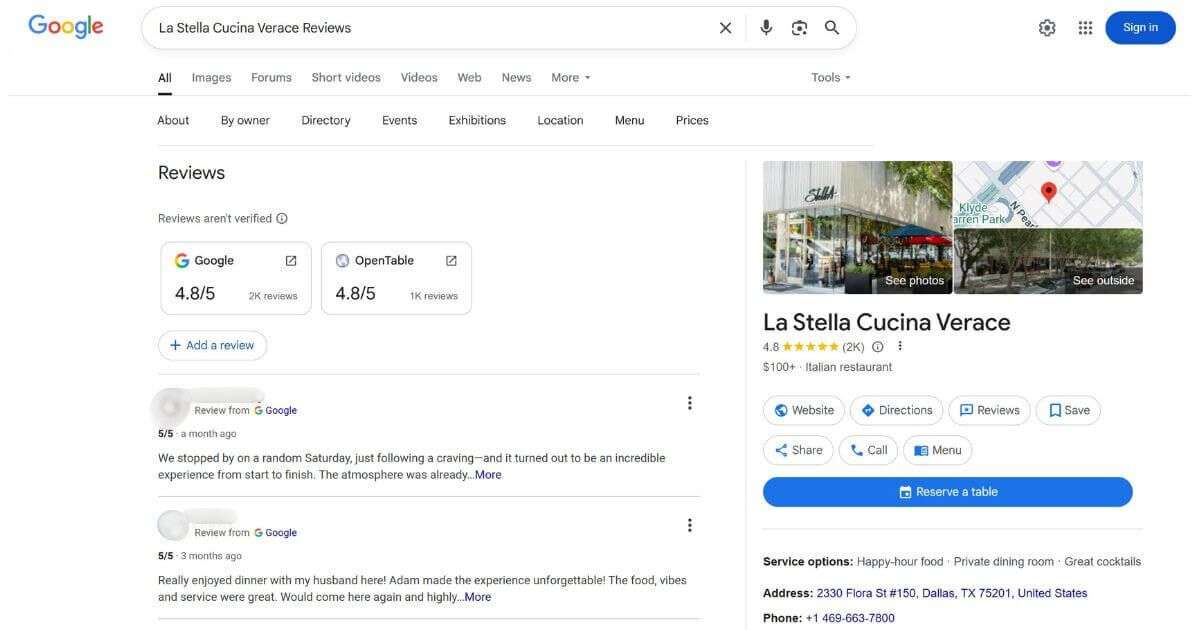
Reviews are the lifeblood of local businesses. Not only do they impact your rankings, but they also build trust with new customers.
Tracking the number of new reviews, your average star rating, and how quickly you respond to feedback can help you maintain a strong reputation and spot problems before they turn into lost business.
8. Engagement on Local Landing Pages
If your website features location-specific landing pages, tracking metrics like bounce rate, time on page, and conversion rate for these pages provides valuable insight into how effectively you’re engaging local visitors.
Conversion: Are You Turning Engagement Into Customers?
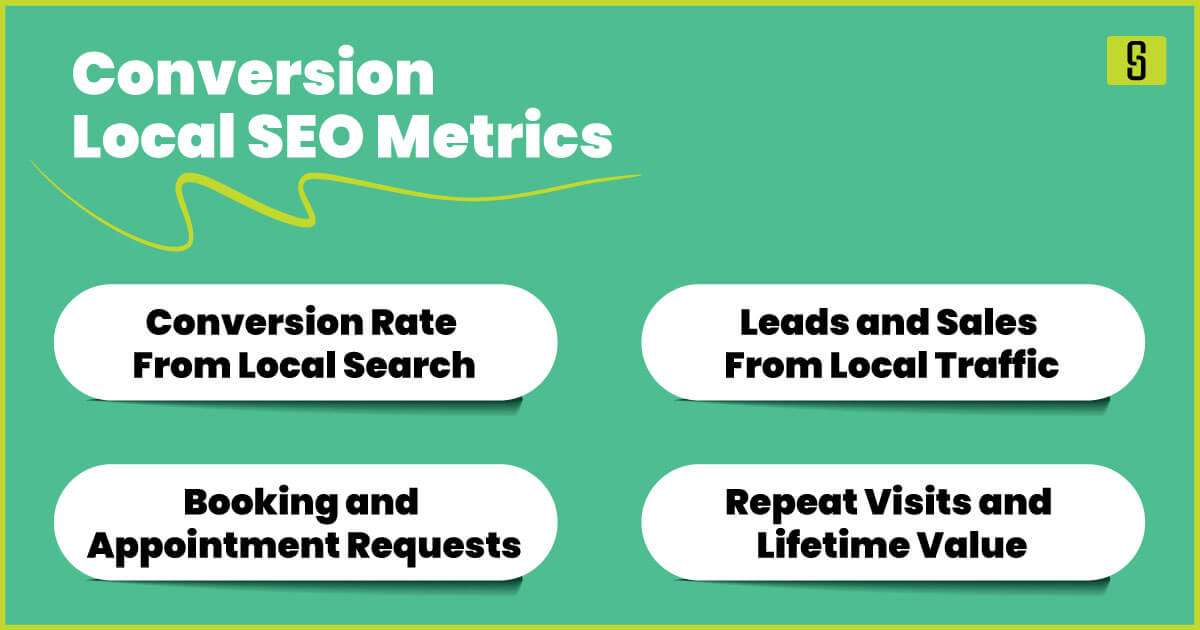
Ultimately, the most important metric in any local SEO campaign is conversion. This is where the rubber meets the road—are your online efforts driving real-world business?
9. Conversion Rate From Local Search
This is the percentage of people who take a meaningful action (call, book, buy, or visit) after finding you through local search. Setting up call tracking, online booking, or contact forms with clear UTM parameters (snippets of text added to the end of a URL to track marketing campaign performance) helps you measure this accurately.
10. Leads and Sales From Local Traffic
Use Google Analytics and CRM integration to track how many leads and sales originate from local SEO efforts. Segment your data to see which keywords, pages, and listings drive the most revenue.
11. Booking and Appointment Requests
For service-based businesses, the number of bookings made directly from your GBP or local landing pages is a critical metric. Tools like Google Reserve and Calendly that integrate with your website or listings can automate this tracking.
12. Repeat Visits and Lifetime Value
Long-term success isn’t just about new customers; it’s about turning first-timers into regulars. Track repeat visits, especially if you have a loyalty program or online account system, to measure the true impact of local SEO.
Advanced Metrics: Going Beyond the Basics
Once you’ve mastered the fundamentals, consider adding these advanced metrics to your toolkit for even deeper insights:
- Competitive benchmarking: Regularly compare your metrics to your top local competitors. Tools like SEMrush or Ahrefs can help you see where you’re losing (or gaining) ground.
- Engagement by device and time: Are mobile users converting more than desktop users? Do conversion rates spike on weekends or evenings? Adjust your campaigns accordingly.
- Sentiment analysis: Use software to track the tone and content of reviews and social mentions. Spotting a trend early can help you address issues before they hurt your reputation.
- Local backlink profile: Track the number and quality of links from local news sites, blogs, and business associations. Local links are a powerful trust signal.
My Local SEO Formula for Success
Successful local SEO is about consistently tracking, analyzing, and optimizing each of the pillars—visibility, engagement, and conversion.
Here is what I recommend for putting the local SEO formula to work:
- Audit your current visibility in Google Business Profile, local rankings, and citations.
- Make improvements to your listings, focusing on accurate information, great photos, and compelling copy.
- Encourage and manage reviews, responding quickly and professionally.
- Monitor engagement metrics and adjust your approach based on what’s working.
- Track conversions from all local channels—calls, bookings, direction requests, and form submissions.
- Analyze your data monthly, looking for trends, wins, and areas for improvement.
This cyclical process is the engine that drives sustained local SEO growth.
Adapting When the Numbers Don’t Add Up
No local SEO journey is a straight line. Sometimes, despite your best efforts, the numbers stagnate or dip. When that happens, don’t panic—get curious.
Here’s my advice on how to troubleshoot:
- Audit your Google Business Profile for outdated or incorrect information.
- Check for inconsistent citations or NAP errors.
- Look for negative reviews or reputation attacks and respond swiftly.
- Analyze competitor activity—have they made big changes recently?
- Refresh your website and landing pages to keep content current and engaging.
Small tweaks, guided by data, often lead to the biggest breakthroughs.
Real-World Example: Local KPIs in Action
Let me share a story from my own experience.
I once worked with a boutique hotel that had a beautiful property and a loyal local following but was struggling to attract new guests during the off-season. Their website was getting some traffic, but bookings were flat.
After a thorough audit, I found their Google Business Profile lacked updated photos and their description hadn’t been touched in years. I also discovered several major directories listed the wrong phone number.
Here’s what happened next:
- I updated all citations for accuracy and consistency.
- I added new, high-quality photos to their GBP and encouraged happy guests to leave reviews.
- I tracked every call, direction request, and booking that came from local search.
- I optimized their landing pages for the most popular local keywords.
Within three months, their Map Pack impressions doubled, the number of direction requests and calls spiked, and off-season bookings increased by 35%. The data told us exactly what to fix and what to double down on.
Wrap Up
If you want to dominate your local market, start by mastering the key metrics for local SEO success. Don’t settle for guesses or assumptions—let the data show you where to focus, what to improve, and how to grow.
Ten years in this industry have shown me that the businesses that measure, adapt, and outwork their competitors are the ones that come out on top.
FAQ
How do I know if local SEO is right for my business?
If you rely on local customers, need in-person visits, or want more visibility in your city or neighborhood, local SEO is right for you.
How often should I review my local SEO KPIs?
Monthly is a minimum, but reviewing key numbers weekly lets you spot trends and respond faster.
What’s the first step if my local metrics aren’t improving?
Audit your Google Business Profile, check for NAP errors, and launch a review campaign—small changes often drive big wins.
Which tools are best for tracking local SEO analytics?
Essential tools include Google Business Profile Insights, Google Analytics, BrightLocal, CallRail, Whitespark, and Ahrefs or Semrush for backlink and citation insights.
What’s the difference between local SEO and traditional SEO metrics?
Local SEO metrics focus on signals like Map Pack rankings, GBP engagement, reviews, and localized traffic, while traditional SEO looks at broader organic rankings, generic traffic, and site-wide engagement.