In today’s crowded online space, mental health professionals face a unique challenge. Potential clients search for support daily, but standing out requires more than just a basic website. This is where strategic digital reputation management becomes your greatest ally.
Think of your online visibility as a virtual handshake. When other trusted sources in your field recommend your content, search engines take notice. These endorsements act like trusted referrals, pushing your practice higher in search results where clients actively seek help.
Many therapists make the mistake of chasing quantity over quality. One endorsement from a respected mental health organization often outweighs dozens from unrelated sites. This approach not only improves your search rankings but also positions you as an authority in your specialty area.
By focusing on high-quality endorsements, therapists can build a strong reputation that resonates with potential clients. Implementing effective marketing strategies for therapists ensures that your unique expertise is highlighted and attracts the right audience. This targeted approach not only fosters trust but also enhances the overall client experience.
Unlike temporary ads that vanish when funding stops, these digital referrals keep working for you. They create lasting pathways for new clients to discover your services organically. I’ll guide you through building these connections thoughtfully, focusing on methods that align with your professional values.
Highlights
- Quality endorsements from trusted sources boost search visibility more effectively than random links
- Strategic digital connections establish professional credibility in mental health specialties
- Organic search growth provides sustainable client acquisition compared to paid ads
- Reputation-focused techniques align with therapeutic ethics and practice goals
- Higher search rankings directly correlate with increased client inquiries
Embracing Link Building Strategies for Therapists
Imagine every website mentioning your practice acts like a colleague’s recommendation. These digital referrals signal expertise to search engines, much like peer recognition in professional circles. For mental health providers, this system rewards quality connections over random associations.
High-value endorsements come from trusted sources. A psychology association citing your article holds more weight than generic directory listings. Search algorithms prioritize these meaningful relationships, viewing them as markers of authority in your specialty area.
Three factors determine an endorsement’s impact:
- Source credibility: Is the referring site respected in healthcare or wellness?
- Content alignment: Does their audience overlap with your ideal clients?
- Geographic relevance: Are they serving your local community?
A natural growth pattern matters most. Sudden surges in mentions raise red flags, while gradual accumulation appears organic. Focus on creating shareable resources like treatment guides or research summaries that colleagues want to reference.
Developing a robust healthcare digital presence requires patience. One authoritative mental health platform linking to your stress management techniques can outperform dozens of unrelated mentions. Track progress using tools like Google Search Console to identify which referrals drive meaningful traffic.
Prioritize relationships with organizations that share your values. Collaborating on webinars or contributing to industry publications creates authentic opportunities for recognition. These efforts compound over time, establishing your practice as a go-to resource in your therapeutic niche.
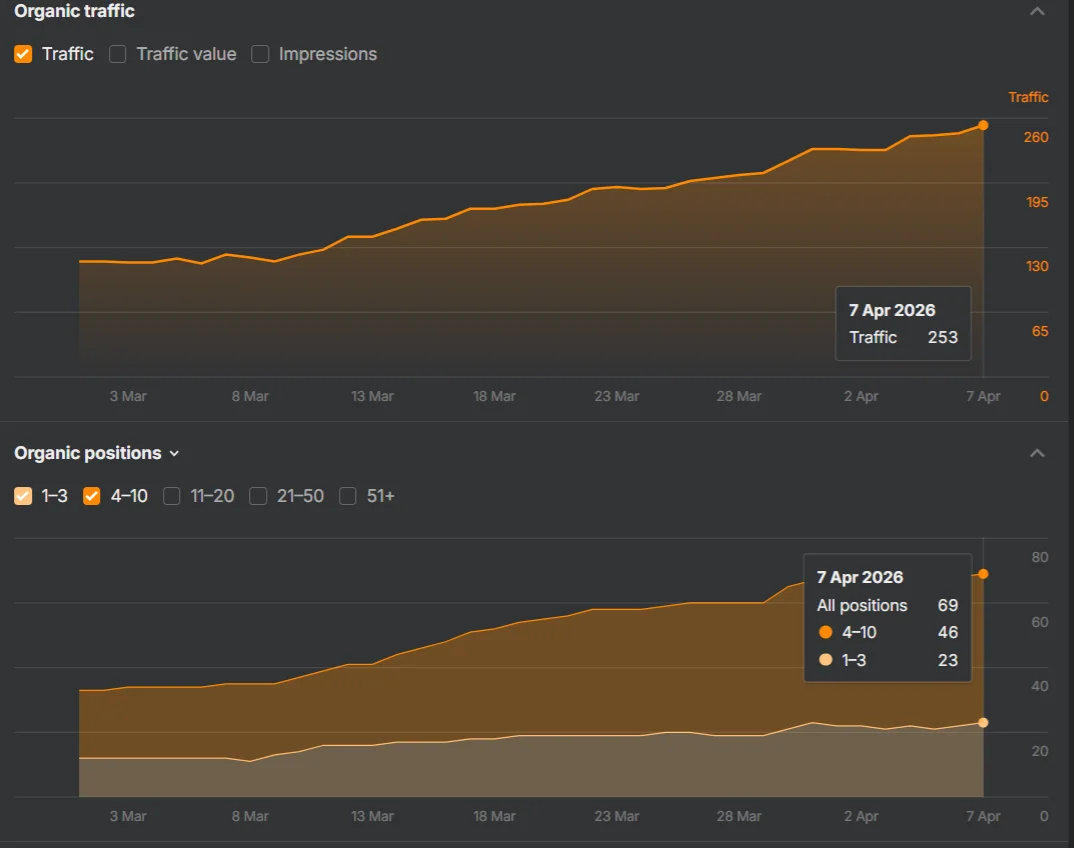
Case Study: 118% More Organic Traffic from 2 Backlinks
A counselling practice for individuals and couples wanted to improve its Google visibility with a focused link-building strategy. SERPsGrowth targeted high-quality backlinks to strengthen the site’s authority and expand its keyword footprint.
The campaign secured 2 backlinks in its first month. At the same time, the number of keywords ranking in the top three positions rose from 12 to 23, while positions 4–7 grew from 21 to 46.
Those ranking gains coincided with a jump in organic traffic from 116 to 253 visitors per month, an increase of 118%. With only two backlinks secured in the first month, the campaign delivered strong early movement across rankings and organic search traffic.

Building Quality Backlinks through Directories and Citations
Trusted directories act as digital gatekeepers for mental health professionals. These platforms help potential clients verify your credentials while boosting your website’s authority. Let’s explore how to leverage them effectively.
Directory Listings and Their Importance
Psychology Today dominates therapist searches like the yellow pages once did. Its backlinks carry weight because search engines recognize its authority in mental health. Create a detailed profile showcasing your specialties, treatment approaches, and client focus areas.
By optimizing your profile with relevant keywords and maintaining an active presence, you can significantly enhance your visibility. Implementing effective SEO strategies for therapists will ensure that potential clients can easily find you when searching for specific mental health services. Don’t underestimate the power of client testimonials and engaging content to boost your profile’s attractiveness and credibility.
Expand your reach with these additional platforms:
- GoodTherapy: Emphasizes ethical practices
- TherapyTribe: Connects niche specialties with ideal clients
- Chamber of Commerce sites: Strengthen local visibility
Enhancing Local Relevance with Consistent Citations
Search engines cross-reference your details across websites to verify legitimacy. Mismatched phone numbers or addresses create confusion. Use this checklist for accuracy:
- Identical business name on every platform
- Uniform service area descriptions
- Consistent contact information
Local citations in community directories signal neighborhood presence. A bakery listing and therapy profile both need precision—but yours impacts vulnerable clients seeking reliable care.
Prioritize platforms your ideal patients actually use. A family counselor benefits more from parenting blogs than generic business listings. Each quality backlink becomes a trusted pathway guiding clients to your expertise.
Guest Posting and Content Outreach
Expanding your professional reach requires moving beyond your website. Writing for respected platforms lets you share insights while connecting with new audiences. For therapists, this approach builds credibility through third-party validation—a powerful trust signal in mental health care.
Finding the Right Platforms
Target websites frequented by your ideal clients. Mental health blogs, university psychology departments, and local wellness publications offer prime opportunities. Use tools like Ahrefs to check a site’s domain authority—aim for platforms scoring 50+ for maximum impact.
Geographic relevance matters too. A Chicago family therapist gains more from contributing to Windy City parenting blogs than national publications. Prioritize platforms that serve your community and specialty.
Crafting Value-Driven Articles
Successful guest posts educate first, promote second. Share actionable strategies like “4 Breathing Techniques for Panic Attacks” rather than overt service pitches. Editors seek content helping their audience, not advertisements.
Structure articles with:
- Evidence-based methods
- Client success stories (with confidentiality)
- Local resource lists
Include one natural reference to your practice in the author bio. For example: “Jane Doe specializes in trauma recovery at Austin Counseling Center.” This subtle expertise showcase drives interested readers to your site.
When pitching editors, highlight unique angles. Instead of “Why Therapy Helps,” propose “How Busy Moms Can Prioritize Mental Health.” Follow up with a personalized email showing you’ve read their content guidelines.
Track which strategic link acquisition efforts yield referrals. High-quality placements often attract other sites seeking contributors, creating a virtuous cycle of visibility.
Leveraging PR and Media for Backlinks
Harnessing community engagement opens doors to powerful media opportunities. When local outlets feature your expertise, they create trusted pathways connecting potential clients to your services. These earned mentions act as digital endorsements, boosting both credibility and search rankings.
Strategic Media Partnerships
Organizing mental health workshops or awareness campaigns often attracts press coverage. Local newspapers and community blogs frequently link to event organizers’ websites, generating valuable backlinks. These references drive targeted traffic while positioning you as a community resource.
Podcast appearances offer dual benefits. Show notes with your website URL provide lasting backlinks, while listeners discover your approach to anxiety or relationship counseling. I’ve seen therapists double their referral rates after appearing on regional health shows.
When launching new services, craft press releases highlighting their client impact. Media outlets covering these updates often include backlinks, connecting your innovations to potential clients searching for specialized care. Track which mentions boost your site’s traffic using free tools like Google Analytics.
Remember: Authentic community involvement fuels media interest. A single TV segment on stress management techniques can elevate your visibility more than months of passive marketing. Start small—local reporters need fresh mental health perspectives.
Local SEO and Google My Business Strategies
Your therapy practice doesn’t exist in a digital vacuum—it thrives when neighbors can find you. Local search engine optimization turns nearby seekers into booked clients. Let’s explore how to make your services shine in community-focused results.
One effective way to enhance your online presence is through link building services for therapists, which help establish credibility and authority in the field. By acquiring high-quality backlinks from reputable sites, you increase your visibility on search engines, drawing more potential clients to your practice. Combining these services with a robust content strategy can further reinforce your standing as a trusted resource in your community.
Building a strong online presence is essential for therapists aiming to attract new clients. Seeking the expertise of a link building agency for therapists can make a significant difference in your digital marketing efforts. These agencies specialize in creating targeted backlink strategies that align with your practice’s goals and values.
Optimizing Your GMB Profile
Google My Business acts as your practice’s digital storefront. Verify your profile to unlock features like review management and appointment buttons. Use high-resolution photos of your office and team—these receive 42% more clicks than text-only listings.
Complete every section with precision:
- Services: List specialties like “EMDR therapy” or “teen counseling”
- Description: Include location-based phrases (“anxiety treatment in Miami”)
- Posts: Share event announcements or new service launches weekly
Monitor your GMB insights to see which Google search terms drive map views. Adjust your profile monthly based on this data to maintain visibility.
Utilizing Local Citations
Consistent mentions across trusted directories boost local SEO credibility. Start with psychology-specific platforms like Psychology Today and GoodTherapy. Ensure your practice name, address, and phone number match exactly everywhere.
Three citation types matter most:
- Healthcare directories (Zocdoc, Healthgrades)
- Local business listings (Chamber of Commerce)
- Industry associations (APA chapter sites)
Update these profiles quarterly. Search engines reward fresh, accurate information with higher rankings. Remember—local visibility grows when your practice appears trustworthy across multiple platforms.
Keyword Research and Content Creation
Your website’s visibility begins with understanding what potential clients actually search for. Let’s explore how to craft content that answers their needs while improving your SEO performance.
Smart Tools for Smarter Research
Google Keyword Planner and SEMrush simplify keyword discovery. The first reveals search volume for phrases like “PTSD therapy techniques,” while SEMrush shows competitors’ top-performing content. Balance broad terms (“depression help”) with specific local queries (“marriage counselor Boston”).
| Tool | Best For | Key Features |
| Google Keyword Planner | Local search trends | Free, integrates with Google Ads |
| SEMrush | Competitor analysis | Backlink tracking, content gaps |
Content That Connects and Converts
Turn common client questions into blog posts. “5 Signs You Need Anxiety Support” or “First Session FAQs” build trust while incorporating keywords naturally. For local SEO, try “Stress Management in Chicago’s Financial District” – specific enough to rank, relevant enough to convert.
Pair these methods with a targeted outreach approach to amplify your reach. Remember: quality content attracts both readers and reputable sites looking to reference valuable resources.
On-Page SEO Elements for Your Therapy Website
Your website serves as the digital front door to your practice. Visitors form first impressions within seconds, making thoughtful design and clear navigation essential. Let’s explore how to optimize your site’s foundation for both human visitors and search algorithms.
Optimizing Metadata and Internal Links
Title tags and meta descriptions act as your website’s business card in search results. Include keywords like “trauma-informed therapy” naturally, but prioritize clarity. Tools like Yoast SEO help craft compelling previews that drive clicks.
Internal links guide visitors to relevant content while showing search engines your site’s structure. Connect your blog post about mindfulness techniques to your services page. This creates pathways for users and reinforces topical authority.
Ensuring Mobile-Responsive Design
Over 60% of therapy seekers research providers on phones. A mobile-friendly site adjusts text size, button spacing, and image placement automatically. Test your pages using Google’s Mobile-Friendly Test tool.
Speed matters too. Compress images with tools like TinyPNG and enable browser caching. Pages loading in under 3 seconds keep visitors engaged and satisfy SEO requirements. Remember: frustrated users rarely become clients.
FAQ
How does SEO help grow my therapy practice?
SEO improves your website’s visibility in search results, making it easier for clients to find you. By targeting keywords like “anxiety therapist near me” or “trauma counseling,” you attract visitors actively seeking your expertise.
What tools can I use for keyword research?
Google Keyword Planner, AnswerThePublic, and SEMrush are excellent for identifying terms your audience uses. Focus on long-tail phrases like “child therapist in [City]” to connect with local clients.
Why are backlinks important for my therapy website?
High-quality backlinks from trusted sites (like Psychology Today or local directories) signal authority to search engines. This boosts your rankings and drives referral traffic from credible sources.
How do I optimize my Google My Business profile?
Ensure your profile includes updated contact details, services, and client reviews. Use keywords like “licensed therapist” in your description and post weekly updates about your practice to stay relevant.
Should I prioritize mobile-friendly design?
Yes. Over 60% of searches happen on mobile devices. A responsive site improves user experience and meets Google’s ranking criteria, helping you reach clients researching therapists on the go.
Can guest blogging benefit my practice?
Absolutely. Writing for mental health blogs like GoodTherapy or Verywell Mind positions you as an expert. Include a bio linking to your site to build authority and attract new clients.
How do local citations improve visibility?
Consistent listings in directories like Healthgrades or TherapyDen reinforce your local presence. Search engines cross-reference this data, increasing trust in your practice’s legitimacy.