Google’s algorithm prioritizes websites with authority, and that authority comes from strategic partnerships. Think of backlinks as digital referrals: the more credible sites vouch for your content, the higher you’ll rank. This isn’t just about visibility—it’s about building trust before a client even clicks “contact.”
Many talented creatives struggle here. They pour hours into perfecting their design portfolios, only to watch lesser-known businesses outrank them. The difference? A deliberate approach to earning links that matter. For small design businesses, this process can feel overwhelming, but it doesn’t have to be.
By investing in link building services for interior designers, these creatives can enhance their online visibility and attract more clients. Building connections with reputable websites not only boosts search rankings but also establishes credibility within the industry. It’s time to leverage strategic partnerships and turn those hard-earned designs into a thriving business.
In this guide, I’ll simplify the connection between smart SEO practices and tangible results. You’ll learn how to position your work where clients are actively searching, create content that attracts genuine interest, and turn casual browsers into committed clients. Let’s shift from hoping for traffic to strategically cultivating it.
Highlights
- SEO transforms how clients discover your services organically
- High-quality backlinks boost credibility and search rankings
- Authority-building creates lasting trust with potential clients
- Strategic partnerships drive sustainable business growth
- Actionable steps beat vague “best practices” every time
Setting Up Your Website for Success
Your digital portfolio deserves more than just stunning visuals—it needs technical precision to shine online. Think of your website as a 24/7 showroom: if doors jam or lights flicker, visitors leave. Let’s fix the foundation first.
Front-End Essentials
Mobile users dominate web traffic. A responsive design adapts to any screen size instantly. Check loading speeds with free tools like Google PageSpeed Insights—aim for under 2 seconds. Slow pages? Compress images and minimize code.
Navigation should feel intuitive. Test this: Can users reach your portfolio in 2 clicks? Clear menus and visible search bars keep visitors exploring. Cluttered layouts increase bounce rates by 38%.
Back-End Power Moves
Search engines love organized structures. Use descriptive title tags like “Mid-Century Modern Kitchen Designs | [Your Studio]”. Craft meta descriptions that answer searchers’ questions directly.
- URLs: Use /services/kitchen-remodels not /page1234
- Headers: Structure H1-H6 logically
- Alt text: Describe images for accessibility and SEO
| Metric | Optimized Site | Unoptimized Site |
| Load Time | 1.8s | 4.9s |
| Bounce Rate | 32% | 67% |
| Conversion Rate | 9% | 2% |
Run monthly audits with Screaming Frog. Identify broken links, duplicate content, and crawl errors. Remember: Technical health determines whether traffic converts or evaporates.
Link Building Strategies for Interior Designers
In the digital design world, credibility isn’t just about aesthetics—it’s about validation from respected peers. Search engines reward websites that earn endorsements through meaningful partnerships, creating a ripple effect of visibility and trust.
What Makes Backlinks Valuable?
Not all endorsements carry equal weight. A single mention in Architectural Digest holds more authority than fifty links from unrelated coupon sites. Search algorithms assess three key factors:
| Factor | High-Quality Backlink | Low-Quality Backlink |
| Source Authority | Established design blog | Spammy directory |
| Relevance | Interior design focus | Unrelated niche |
| Placement | Editorial content | Footer link farm |
Cultivating an Attractive Online Presence
Your profile becomes magnetic when you consistently publish original ideas. Designers who share:
- Before/after case studies with measurable results
- Trend analysis reports with proprietary data
- Collaborative projects with local architects
Regularly audit your backlinks using tools like Ahrefs. Remove toxic connections while nurturing relationships with industry-relevant websites. This proactive approach tells search engines you’re a trusted resource, not just another portfolio site.
Case Study: Growing Visibility with 24 Backlinks
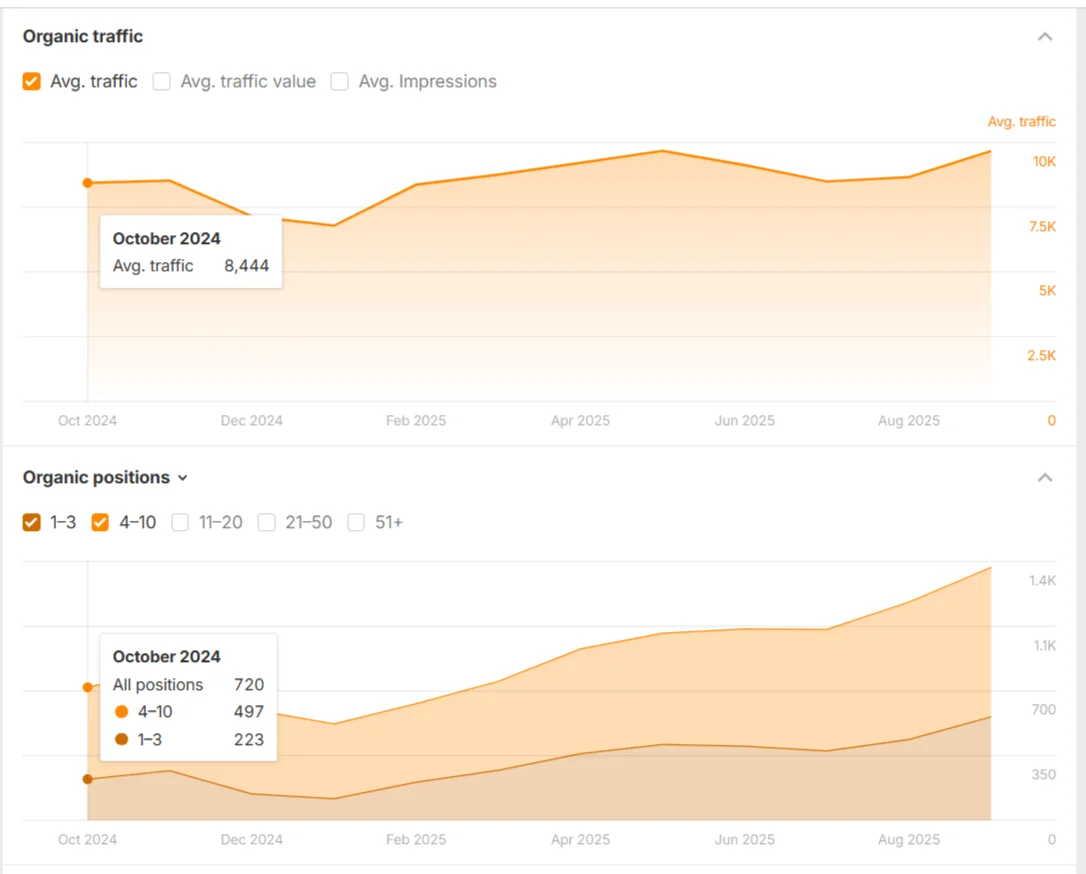
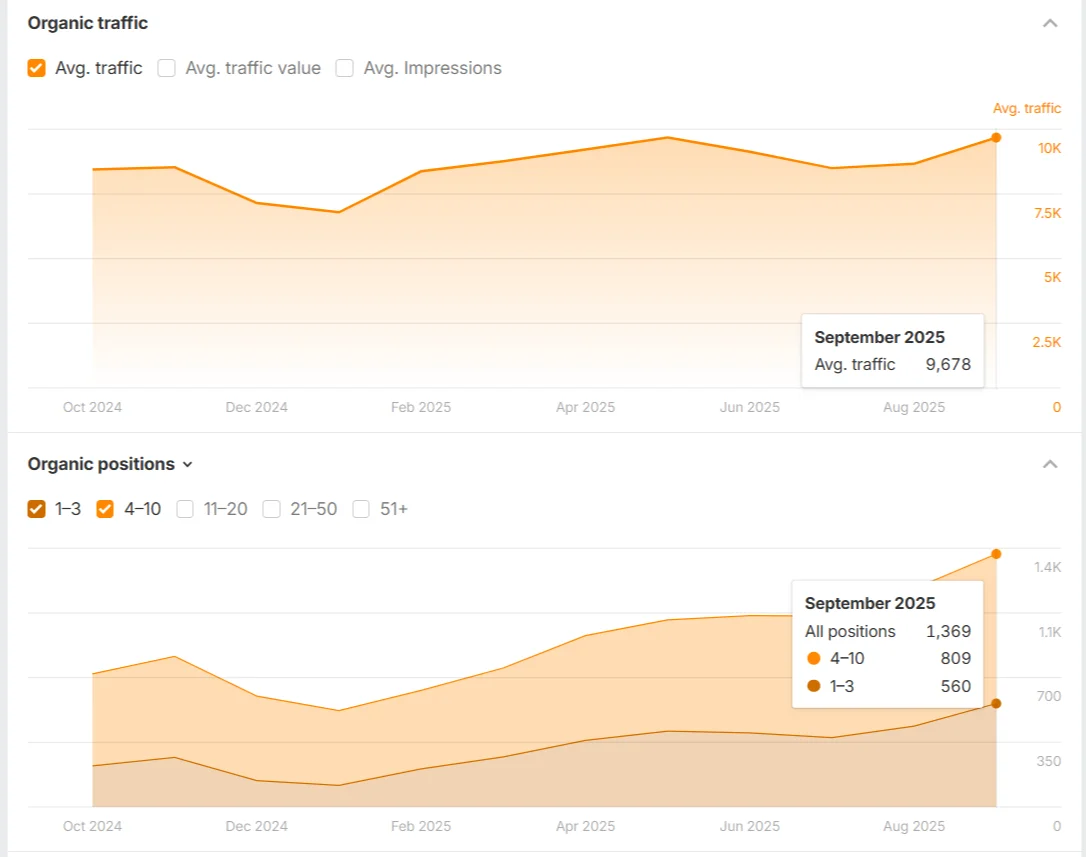
A home design company came into the campaign with 8,444 monthly organic visitors and a Domain Rating of 33. The goal was to strengthen the site’s authority while increasing its visibility for relevant search terms.
Over 12 months, we built 24 backlinks while the site’s top-three rankings grew from 223 to 560 keywords. Rankings in positions 4–10 increased from 497 to 809 keywords, while Domain Rating rose from 33 to 42.
Organic traffic also increased to 9,678 monthly visitors, a 15% growth over the 12-month period. The campaign shows that consistent link building can strengthen domain authority and expand keyword visibility without requiring a high volume of backlinks.
Strategically selecting a link building agency for interior designers can make a significant difference in how potential clients perceive a business. These agencies understand the unique challenges of the design industry and tailor their strategies accordingly. By fostering valuable connections, designers can not only enhance their online presence but also build lasting relationships that can lead to future opportunities.
Leveraging Local and Niche Directories
Your studio’s online presence thrives on strategic visibility—not just beautiful portfolios. High-authority directories act as digital megaphones, amplifying your credibility to search engines and clients alike.
The Power of Precision in Listings
Imagine a homeowner searching “luxury bedroom designers Boston.” Consistent business information across platforms like Houzz and Yelp tells Google you’re trustworthy. Discrepancies in your name, address, or phone number? They trigger confusion, hurting local rankings.
- Claim profiles on design-specific platforms (Houzz, Decorist)
- Verify NAP matches exactly on Google Business Profile
- Select precise categories like “Residential Interior Designer”
| Directory | Domain Authority | Key Benefit |
| Houzz | 89 | Design-focused audience |
| Yelp | 94 | Local search dominance |
| Angie’s List | 86 | Verified client reviews |
Optimize descriptions with location-based keywords: “Boston-based kitchen remodeling services.” Encourage clients to leave detailed reviews mentioning specific projects—this boosts relevance for niche searches.
Monitor your listings monthly. Tools like BrightLocal flag inconsistencies in local SEO data. A unified online identity builds trust faster than any single portfolio piece ever could.
Optimizing On-page Content and Blog Strategy
Ever wonder why some design studios dominate search results? Their secret lies in crafting content that works double duty—educating clients while satisfying search algorithms. Let’s transform your website into a lead-generating machine.
Creating Engaging Service and Portfolio Pages
Your service pages aren’t brochures—they’re conversion engines. Showcase projects with captions like “Transitional Living Room Makeover: Boston Historic District” to blend location and style keywords naturally. Include client testimonials addressing specific pain points: “They transformed our cramped kitchen into an entertainer’s dream.”
Portfolios need more than pretty pictures. Add case studies explaining design challenges and solutions. For example:
- Space constraints in a NYC loft remodel
- Budget-friendly materials for a coastal Florida home
- Lighting strategies for open-concept layouts
Using SEO Blogging to Establish Topical Authority
Regular blog posts signal to Google that your studio actively solves design problems. Focus on evergreen topics like “Maximizing Small Spaces Without Sacrificing Style” alongside trend pieces. This dual approach builds authority while keeping content fresh.
Effective blogs combine education and inspiration:
| Content Type | SEO Benefit | Client Appeal |
| Before/After Guides | Targets “makeover ideas” searches | Shows tangible results |
| Material Cost Breakdowns | Rank for budget queries | Builds trust through transparency |
| Seasonal Design Trends | Captures trending keywords | Positions you as an innovator |
Need inspiration? Explore these content marketing strategies tailored for creative businesses. Remember—consistent, valuable posts turn casual readers into loyal clients.
Digital PR and Guest Blogging Tactics
Breaking into major publications requires more than talent—it demands strategic positioning. Journalists sift through hundreds of pitches daily, making originality your greatest asset. Platforms like Connectively (formerly HARO) let you respond directly to media requests, but standing out means offering unexpected insights.
Securing Media Features for High-Quality Backlinks
When a lifestyle reporter seeks “small space solutions,” don’t just describe your work—share measurable results. Example: “Reduced a 450 sq ft studio’s clutter by 80% using custom modular furniture.” This data-driven approach cuts through generic responses.
| Response Type | Success Rate | Key Differentiator |
| Generic Pitch | 3-5% | Rehashed ideas |
| Strategic Pitch | 22-28% | Unique data + visuals |
Build relationships with local journalists covering home trends. Offer exclusive access to upcoming projects or seasonal design forecasts. These efforts often yield PR-driven backlinks from reputable outlets.
Planning Effective Guest Posts for Expanded Reach
Target websites with audiences matching your ideal clients. A post titled “Biophilic Design Mistakes Even Pros Make” for an architecture blog demonstrates expertise while addressing reader pain points.
| Post Element | Editor Expectation | Your Benefit |
| Headline | Solves specific problem | Click-throughs |
| Content | Actionable advice | Authority boost |
| Bio | Non-salesy CTA | Qualified leads |
Maintain an editorial calendar tracking publication deadlines and follow-ups. Editors remember contributors who deliver polished articles on time—this reliability often leads to recurring opportunities.
Utilizing Social Media and Visual Content
Your design expertise deserves an audience that actively seeks inspiration—social platforms provide that stage. While likes and shares won’t directly boost search rankings, they create ripple effects. Engaging posts act as magnets, drawing attention to your core website content while encouraging organic discovery.
Turning Scrolling Sessions into Opportunities
Pinterest operates as a hybrid search engine and idea hub. Optimize pins with detailed descriptions using phrases like “small space solutions” or “transitional decor ideas.” Include your studio’s URL in every post to funnel traffic back to project galleries or blog posts.
Instagram’s visual nature makes it ideal for showcasing transformations. Post carousels comparing dated rooms to redesigned spaces, using captions to highlight your design philosophy. These visuals often get embedded in blogs and articles, creating passive referral streams.
Prioritize content types that naturally attract shares:
- Time-lapse renovation videos
- Color palette breakdowns with hex codes
- Seasonal trend forecasts with actionable tips
Track which posts drive the most website visits using platform analytics. Double down on high-performing formats, refining your approach monthly. This strategic use of social media turns casual viewers into ardent supporters—and potential collaborators.
Conducting Keyword Research and Analysis
What separates visible designers from hidden talent? Precise keyword targeting. Your ideal clients use specific phrases to find services—your job is to anticipate those terms.
Local Reach vs Specialized Style
Location-based searches dominate. “Interior designer Austin” gets 1,000 monthly searches compared to 40 for “farmhouse interior designer.” But niche terms attract highly motivated clients. Balance both:
By leveraging location-based keywords alongside niche terms, designers can capture a broader audience while still appealing to specific client needs. Incorporating both types of searches into their marketing strategies for interior designers will enhance visibility and attract a diverse clientele. Ultimately, a well-rounded approach ensures a steady stream of interested clients who are ready to invest in their unique design vision.
Incorporating SEO strategies for interior designers can help elevate your visibility for both broad and niche keywords. While location may draw in a larger audience, targeting specific design styles or themes can lead to more qualified leads who are ready to engage. By effectively blending these approaches, you can maximize your reach while ensuring your efforts attract clients that align with your unique offerings.
| Keyword Type | Avg. Monthly Searches | Conversion Potential |
| Local (City + Service) | 800-1,200 | 6-9% |
| Niche (Style + Service) | 30-50 | 12-15% |
Tools That Reveal Hidden Opportunities
Free tools like Ubersuggest show what people actually search. Enter “kitchen remodel ideas”—see related terms, search volume, and competition levels. Premium options like Ahrefs track competitors’ winning keywords.
Prioritize low-competition phrases with 50+ monthly searches. For example: “eco-friendly office design” instead of generic “interior designer.” This strategy helps you rank faster while establishing specialized expertise.
Google Search Console reveals which terms already drive traffic to your site. Double down on these—create dedicated service pages or blog posts around high-potential keywords.
FAQ
Why is NAP consistency critical for local directory listings?
Search engines cross-reference your business Name, Address, and Phone number across platforms like Yelp and Houzz. Consistent NAP details build trust with algorithms, improving your local rankings and making it easier for clients to contact you.
What makes a backlink valuable for an interior design website?
High-quality backlinks from authoritative sites like Architectural Digest or Dwell signal credibility to search engines. Focus on earning links through published project features, guest posts on design blogs, or collaborations with home decor brands.
Can Pinterest and Instagram really improve my SEO performance?
Yes. Optimized pins and posts drive traffic to your site when linked properly. Use keywords in image descriptions, link to blog posts about color trends or space planning, and engage with design communities to amplify reach.
How do guest blogging partnerships expand my firm’s reach?
Writing for reputable platforms like Decorilla or The Spruce positions you as an industry expert. Include links to your portfolio pages or service offerings, attracting readers who are already interested in design solutions.