Your flower shop’s website is just as important as your storefront. If customers can’t find you online, you’re missing out on business. That’s where backlinks—strategic connections from other trusted sites—come in. They act like digital referrals, boosting your visibility and credibility.
Not all links are equal, though. A handful of quality referrals from respected sources signal to Google that your shop deserves top rankings, helping you show up when locals search for “wedding florists” or “holiday bouquets.”
Link building isn’t about shortcuts—it’s about creating relationships that drive real growth. Done right, it leads to stronger visibility, more seasonal sales, and long-term authority for your business.
Highlights
- Backlinks from reputable sites act like trusted recommendations, improving search rankings
- Focus on quality over quantity—one strong partnership beats ten irrelevant links
- Combine link building with core SEO practices for maximum impact
- Local visibility grows steadily, helping you capture nearby customers
- Track progress over months, not days, for sustainable results
Understanding the Importance of Backlinks in Floristry
Imagine your flower shop getting recommended by trusted voices in your community. Backlinks work similarly online—they’re endorsements from other sites that boost your credibility. For florists, these connections aren’t just digital handshakes. They’re critical tools for standing out in crowded search results.
What Exactly Is a Backlink?
A backlink occurs when another website references your content. Think of it as a referral system. When a wedding blog links to your floral arrangement guide, it tells Google: “This florist knows their roses.”
Quality matters most here. A single link from a respected industry site often outweighs dozens from unrelated pages. This is why effective link prospecting focuses on relevance and authority.
How Google Values Your Digital Reputation
Search engines treat backlinks like trust votes. More high-quality votes mean better rankings. Google’s algorithm checks two main factors:
- Source authority: Links from established sites carry more weight
- Contextual relevance: Flower forums help more than car repair sites
| Factor | High-Quality Backlink | Low-Quality Backlink |
| Domain Authority | 70+ (Established floral blogs) | Below 20 (Spammy directories) |
| Relevance | Wedding planning resources | Unrelated hobby sites |
| Content Type | Detailed care guides | Keyword-stuffed pages |
| Traffic Potential | 500+ monthly visitors | Less than 50 visitors |
Building this authority takes time but pays off. Florists with strong backlink profiles often rank higher for terms like “custom bouquets” or “local flower delivery.” Remember—it’s about earning trust, not just collecting links.
A link building agency for florists can help cultivate these valuable connections and improve online visibility. By focusing on industry-specific outreach strategies, they can target relevant publications and blogs that resonate with floral customers. Ultimately, a robust link profile can lead to increased organic traffic and higher conversion rates.
Essential SEO for Florists’ Digital Growth
Nearly 40% of clicks go to the first Google result—but less than 2% reach page two. For your floral shop, ranking on that first page isn’t optional. It’s survival. SEO transforms your website into a magnet for local searches like “same-day flower delivery” or “bridal bouquets.”
Improving Online Visibility and Search Rankings
Think of SEO as sunlight for your digital storefront. Without it, customers can’t find you. A study shows first-page listings capture 39.8% of clicks—ten times more than page two. This visibility gap determines who thrives and who fades.
Three pillars support strong florist SEO:
- Keyword alignment: Use phrases customers actually search for, like “affordable wedding centerpieces”
- Content depth: Create guides on seasonal arrangements or care tips that answer real questions
- Technical health: Ensure fast loading speeds and mobile-friendly designs
These efforts compound over time. One client saw a 218% traffic increase within six months by optimizing their product pages. Higher rankings don’t just bring clicks—they build trust. Shoppers perceive top results as more credible.
Track progress using tools like Google Search Console. Monitor keyword movements and page performance weekly. Remember: SEO isn’t a one-time fix. It’s ongoing cultivation—like tending a garden. Nurture your website with fresh content, regular updates, and strategic optimizations. Watch your digital presence bloom.
Actionable Link Building Strategies for Florists
Most flower shops face a common challenge: generic digital marketing tactics rarely work. While other industries might succeed with mass outreach, floristry demands a more tailored approach. Your success lies in connecting with platforms that value creativity and local expertise.
To stand out, florists should focus on building relationships within their communities and utilizing social media to showcase their unique arrangements and services. Implementing effective marketing strategies for florists can involve collaborating with local businesses and participating in community events, which not only enhances visibility but also fosters customer loyalty. Emphasizing storytelling and personal touch in your marketing can further resonate with clients seeking more than just a bouquet.
Cutting Through the Noise
Traditional methods like cold-emailing random blogs often waste time. Instead, focus on partnerships that align with your floral services. Local wedding planners, event venues, and gardening bloggers make ideal collaborators. These connections bring relevant traffic while boosting your website’s authority.
Prioritize these three methods first:
- Seasonal content swaps: Partner with holiday decor sites to showcase your arrangements
- Local business features: Get featured in community guides or chamber of commerce listings
- Expert contributions: Write guest posts about flower care for home improvement blogs
Quality matters more than quantity here. One placement on a popular gardening website often outperforms twenty directory listings. Track which partnerships drive actual sales—not just clicks.
Create resources others want to share. A detailed guide on “Choosing Anniversary Flowers by Meaning” attracts more organic mentions than basic product pages. Update these pieces yearly to maintain their value.
Building relationships takes patience, but the payoff lasts. Start small—comment genuinely on niche blogs before pitching collaborations. Over time, these efforts compound, establishing your florist business as a trusted resource in both digital and local spaces.
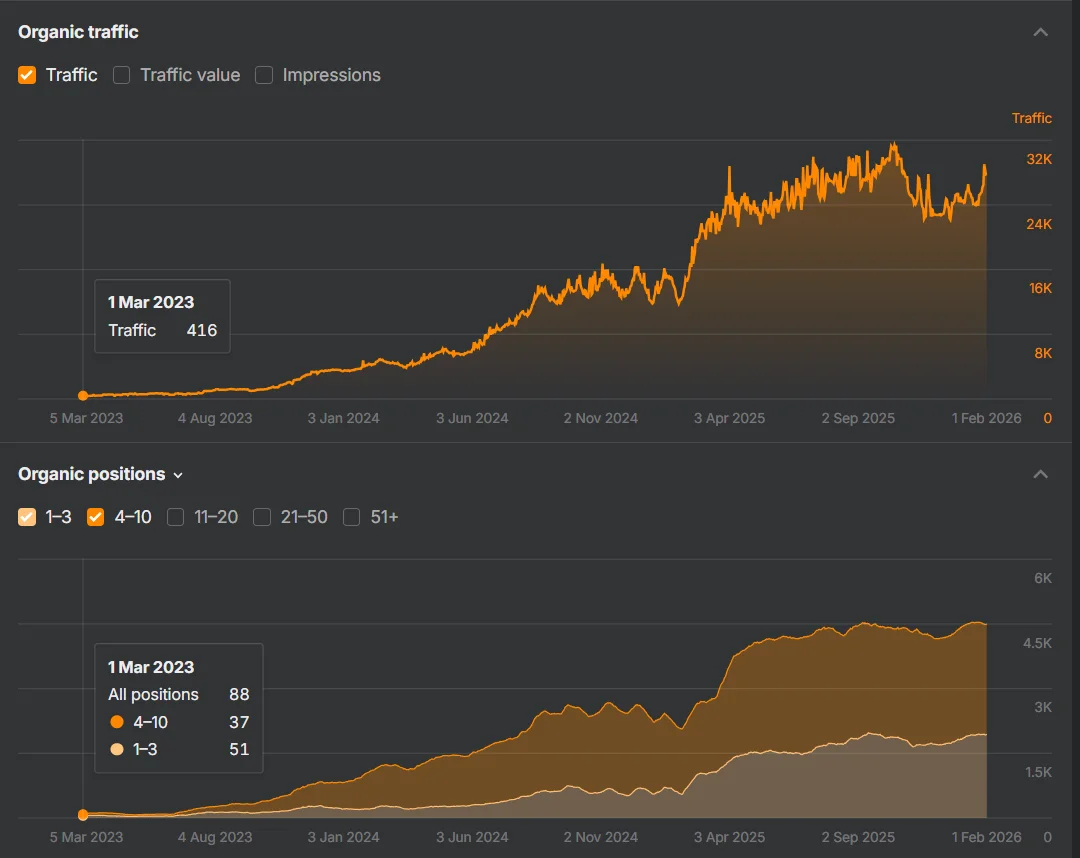
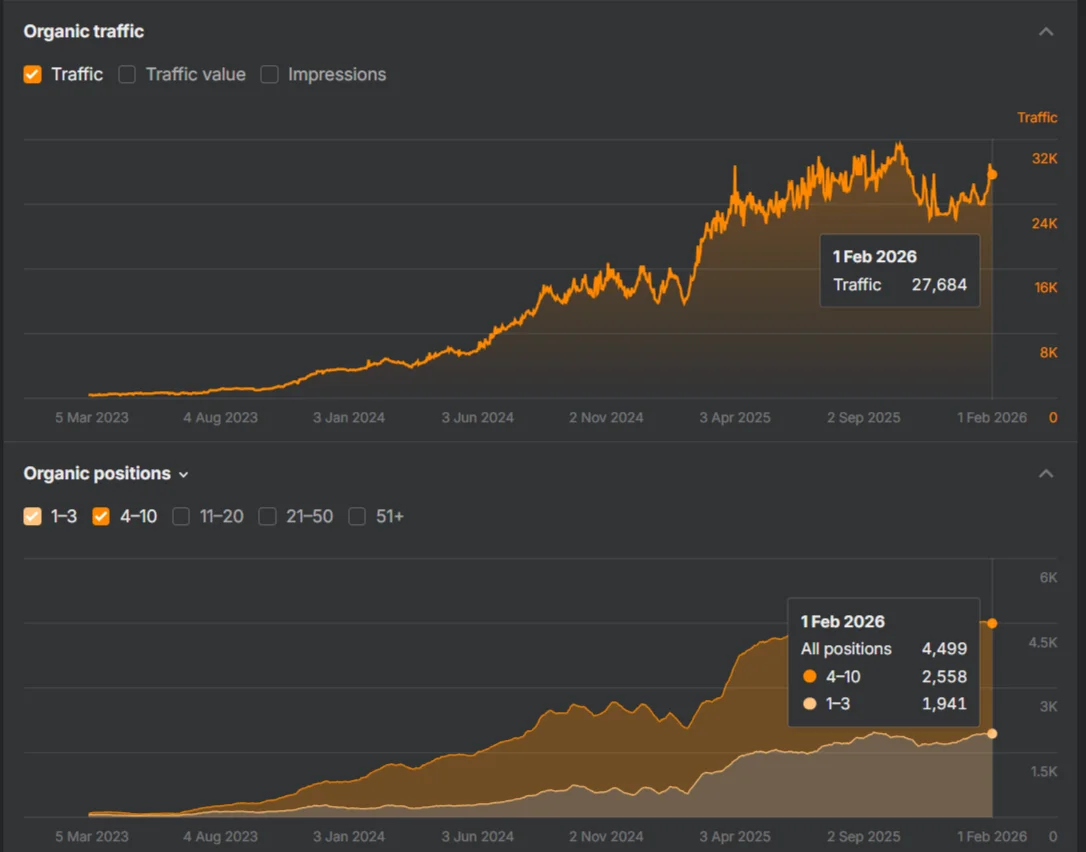
Flower Shop Case Study: 6,554% Organic Traffic Growth with 136 Backlinks
A floral shop started with just 416 monthly organic visitors and needed a sustainable way to grow its search visibility. SERPsGrowth implemented a consistent link-building strategy focused on acquiring high-quality backlinks and strengthening the site’s authority over the long term.
Across 34 months, the campaign generated 136 backlinks, averaging four per month. Organic traffic increased from 416 to 27,684 monthly visitors, representing 6,554% growth.
At the same time, the website’s top-three rankings grew from 37 to 1,941 keywords, while positions 4–7 increased from 304 to 2,558 keywords. The results demonstrate the impact that consistent, quality-focused link building can have when sustained over several years.
Leveraging Online Directories & Social Media Profiles
Your flower shop deserves to be seen where customers look first—local search results and social platforms. Consistent visibility across these channels builds trust and drives traffic. Let’s explore how to optimize these assets effectively.
Maximizing Google Business and Local Citations
Claiming your Google Business profile is non-negotiable. Complete every section with detailed descriptions, high-quality photos, and seasonal service updates. Local citations on platforms like Yelp and Yellow Pages reinforce your credibility when your business name, address, and phone number (NAP) match everywhere.
Prioritize these five directories for maximum impact:
- Google Business (now Google My Business)
- Bing Places for Business
- Yelp for Service Businesses
- Local floral associations’ directories
- Industry-specific platforms like Flower Shop Network
Regularly updating these listings keeps your information accurate.
Harnessing Social Media for Quality Backlinks
Social platforms do more than showcase arrangements—they create pathways to your website. Add your site URL to Instagram’s bio link, Facebook’s About section, and Pinterest profile descriptions. Engage local community groups by sharing floral care tips with your website linked in posts.
Three platforms deliver the best results:
- Instagram: Tag locations in arrangement photos
- Facebook: Join local event planning groups
- Pinterest: Create boards linking to your blog posts
These profiles work together like digital business cards. When optimized, they signal authority to search engines while connecting you directly with nearby customers.
Creating High-Quality, SEO-Friendly Content
Great content acts like a bridge between your floral expertise and customers searching for answers. When crafted strategically, it becomes a magnet for both search engines and potential collaborators. Let’s explore how to make your website’s material work harder while staying true to your brand.
Content Themes That Drive Backlinks
Floristry thrives on visual storytelling and practical knowledge. Create guides like “Rose Care Through the Seasons” or listicles such as “7 Drought-Resistant Flowers for Summer Weddings.” These formats get shared widely because they solve real problems.
Evergreen content maintains value year-round. For example, a detailed post on flower symbolism keeps attracting links long after publication. Update older posts with fresh data or photos to maintain relevance.
| Content Type | Example | Backlink Potential |
| Step-by-Step Guides | Creating Cascading Bouquets | High (Wedding blogs, DIY sites) |
| Seasonal Roundups | Top Fall Centerpiece Flowers | Medium (Lifestyle magazines) |
| Video Tutorials | Orchid Repotting Demos | High (Gardening forums) |
Optimizing Images and Meta Descriptions
Your flower photos deserve attention beyond aesthetics. Use descriptive file names like “red-rose-valentine-bouquet.jpg” instead of generic terms. Add alt text that explains both the image and its purpose: “Hand-tied crimson roses in heart-shaped vase for anniversary gifts.”
Meta descriptions should spark curiosity while including keywords. Compare these examples:
- Weak: “Learn about flower care”
- Strong: “Discover 5 pro tips to extend peony freshness (perfect for event planners)”
Businesses scaling their content efforts often use white label content services to maintain quality while expanding their output. This ensures consistent publishing without sacrificing your unique voice.
Optimizing Your Google Business Profile and Local SEO
Your flower shop’s digital footprint starts with one powerful tool: Google Business. This free profile acts as your storefront in local search results and Google Maps. Over 90% of shoppers check online listings before visiting physical stores—making accuracy here non-negotiable.
Building Trust Through Consistency
Start by selecting “Florist” as your primary category. Ensure your business name, address, and phone number match exactly what’s on your website. Search engines cross-check this data to verify legitimacy. Mismatches confuse customers and hurt rankings.
Additionally, utilize local SEO strategies for florists by incorporating relevant keywords into your website content and meta tags. Regularly update your business listings on various online platforms to maintain consistent information. Engaging with customers through reviews and social media can further enhance your visibility and online presence.
Three elements make profiles stand out:
- Visual storytelling: Upload high-resolution photos of arrangements weekly
- Real-time updates: Use Google Posts to share seasonal promotions
- Engagement: Respond to reviews within 24 hours
Local SEO thrives on fresh, accurate information. List your shop in directories like Yelp and regional floral associations. These citations reinforce your credibility. For deeper insights, explore local SEO strategies that complement your efforts.
| Optimized Profile | Basic Profile |
| 100+ photos with descriptions | 5 generic stock images |
| Weekly post updates | No recent activity |
| 4.8-star average rating | 3 reviews from 2020 |
Customers trust businesses that appear complete and active. Regular profile maintenance signals you’re ready to serve—whether they’re searching for “roses near me” or planning a wedding.
Guest Posting and Community Outreach Tactics
Your floral expertise deserves attention beyond your shop’s walls. Strategic collaborations with trusted platforms amplify your voice while driving meaningful connections. Let’s explore how to position your knowledge where it matters most.
Building Relationships for Guest Posts
Successful guest contributions start long before hitting “send.” Identify wedding blogs or home decor sites that align with your services. Engage with their content first—thoughtful comments or social shares build familiarity.
When pitching, focus on mutual value. Offer to write about seasonal centerpiece trends or flower care hacks their audience needs. Editors appreciate clear benefits: “My guide to drought-resistant bouquets will help your readers plan eco-friendly events.”
Engaging With Local Community Platforms
Local partnerships often yield the strongest results. Event venues and wedding planners need reliable florist referrals. Propose co-hosted workshops or featured articles on their websites.
By establishing these connections, you can enhance your visibility and credibility within the wedding industry. Additionally, utilizing link building services for florists can further improve your website’s SEO, driving more traffic from potential clients. This strategy not only strengthens relationships but also boosts your online presence significantly.
Chamber of commerce listings and neighborhood blogs also matter. Share tips for choosing anniversary flowers in exchange for a business mention. These efforts work best when paired with broader outreach methods that prioritize relationship depth over quick wins.
Measuring Success with SEO Tools and Performance Analysis
Tracking progress separates thriving florists from those stuck guessing. Your digital efforts need clear metrics—like sunlight and water for plants. Let’s explore how to measure what matters.
Monitoring Your Backlink Profile
Tools like Ahrefs and Moz act as X-ray vision for your website’s connections. They show who’s linking to you and why it matters. Weekly checks reveal opportunities: maybe a wedding blog mentioned your arrangements but forgot the hyperlink.
Set alerts for new mentions and lost links. One client discovered 12 unlinked brand references through simple monitoring—turning them into valuable backlinks. Watch competitors too. Their partnerships might inspire your next collaboration.
Utilizing SEO Tools for Data-Driven Insights
Google Keyword Planner and SEMrush decode customer searches. Learn what phrases like “sympathy orchids” or “birthday flower delivery” really mean for your traffic. These platforms also grade your technical health—page speed, mobile compatibility, and crawl errors.
Prioritize fixes that impact rankings most. A bakery improved load time by 1.2 seconds and saw a 34% traffic jump. Your Google Business Profile needs similar attention. Track how often you appear in local “near me” searches versus competitors.
Consistent measurement fuels growth. Adjust strategies based on what the data shows—not hunches. Over time, these insights become your compass, guiding every digital decision toward blooming results.
FAQ
How do backlinks impact my florist shop’s Google rankings?
Backlinks act like digital recommendations—when reputable websites link to your floral business, Google views your site as trustworthy. This boosts your rankings in search results, making it easier for customers to find you when they search for terms like “wedding florist near me” or “fresh flower delivery.”
What’s the fastest way to improve my florist website’s local SEO?
Start by optimizing your Google Business Profile with accurate details like your address, hours, and services. Use local keywords (e.g., “Miami florist” or “Chicago flower shop”) in your meta descriptions and content. Consistent local citations on directories like Yelp or Yellow Pages also strengthen your visibility.
Can social media help my florist business earn quality backlinks?
Absolutely! Platforms like Instagram and Pinterest are perfect for showcasing floral arrangements. Share eye-catching photos with hashtags like #WeddingFlorals or #LocalFlorist—this can attract bloggers, event planners, or local businesses who might link to your website for collaborations or features.
What type of content attracts backlinks for florists?
Evergreen guides (e.g., “How to Care for Orchids”), seasonal blogs (“Top 10 Fall Bouquet Trends”), or behind-the-scenes videos of your floral design process work well. High-quality, shareable content positions you as an expert, encouraging others to reference your site in their articles or social posts.
How often should I update my Google Business Profile?
Refresh it weekly. Post new photos of your latest arrangements, update seasonal promotions, and respond to customer reviews promptly. Regular activity signals to Google that your business is active, improving your local search rankings for queries like “same-day flower delivery.”
Are online directories still relevant for florist SEO?
Yes—but focus on reputable, niche-relevant directories like The Knot, WeddingWire, or local chamber of commerce sites. Consistent listings with your business name, address, and phone number (NAP) build credibility and help Google associate your florist shop with local searches.
What tools can I use to track my SEO progress?
Tools like Google Analytics, SEMrush, or Ahrefs help monitor keyword rankings, backlink sources, and website traffic. For example, track how often you rank for “custom floral arrangements” or identify which blog posts drive the most referral traffic.
How do I approach other websites for guest posting opportunities?
Research blogs or local news sites that align with floristry, weddings, or small businesses. Pitch actionable ideas like “5 Unique Ways to Use Succulents in Events” or share a case study about a recent project. Always prioritize providing value to their audience first—links often follow naturally.