Over the past two decades, search engines have reshaped how businesses grow online. For construction firms, standing out isn’t just about having a website—it’s about building trust. Google prioritizes quality connections over sheer numbers, so success depends on strategic partnerships and valuable content.
The construction industry faces unique challenges. Your projects require specialized expertise and local credibility, meaning generic SEO tactics won’t suffice. Effective strategies include collaborating with trade publications, showcasing completed projects on industry platforms, and creating content that demonstrates your authority.
Additionally, leveraging local SEO strategies for construction companies can significantly improve your visibility among potential clients in your area. This involves optimizing your website for location-based keywords and ensuring your business is listed on relevant online directories. Engaging with your community through social media and local events can further enhance your brand recognition and trust.
Modern SEO is a marathon, not a quick fix. Each backlink should reinforce your expertise and attract clients actively seeking your services. Before launching outreach, ensure your digital foundation is solid: fast-loading pages, mobile-friendly design, and detailed service descriptions are essential for maximizing the impact of every connection.
Highlights
- Quality beats quantity in modern SEO practices
- Construction businesses need industry-specific approaches
- Long-term success requires consistent effort
- Backlinks drive both search visibility and direct client traffic
- Website optimization is crucial before starting outreach
Understanding the Evolution of Link Building in Construction
Twenty years ago, ranking well online was a numbers game. Construction businesses piled up hundreds of low-value connections, treating them like nails in a toolbox—the more you had, the better. But search engines grew smarter. Today, one authoritative partnership holds more weight than fifty irrelevant ones.
The Shift from Quantity to Quality
Google’s algorithm updates now penalize manipulative practices. Tactics like paying for directory listings or spamming forums might’ve worked in 2005. Now, they trigger ranking drops or even removal from search results. The focus shifted to editorial endorsements from trusted sources—trade journals, contractor associations, or regional building codes websites.
Why does this matter? A single endorsement from an industry-specific platform drives more targeted traffic than dozens of generic links. It signals expertise to both search crawlers and potential clients.
Why Historical Tactics No Longer Work
Outdated methods damage your digital reputation. Comment section spam or thin guest posts make your business appear desperate. Google’s systems detect these patterns, flagging them as “unnatural links” in Search Console reports.
Modern success requires thoughtful outreach to relevant platforms. Prioritize websites with strong domain authority in your niche. Check their editorial guidelines and audience demographics—do they align with your ideal clients?
Construction firms that adapt thrive. Those clinging to old habits? They’re left scrambling as competitors secure prime search real estate through credible, value-driven connections.
Link Building Strategies vs. Tactics
Many businesses confuse plans with actions. A strategy acts like your company’s GPS – it maps where you want to go and why. Tactics are the turns you take to stay on route. Without this distinction, efforts become scattered and ineffective.
Long-Term Strategy vs. Short-Term Tactics
Imagine aiming to become the top-rated contractor in your state. That’s a 3-year vision requiring partnerships with architects and consistent project showcases. Tactics? Securing quarterly features in regional building magazines or hosting monthly educational webinars.
Defining Your SEO Action Plan
Start by aligning digital efforts with business goals. If expanding into commercial projects is key, prioritize connections with property developers’ platforms. Track progress quarterly – not weekly – to maintain focus on meaningful growth.
Common Misconceptions in Link Building
More isn’t better. Three endorsements from trusted industry hubs outperform 50 random directory listings. Another myth? Assuming any related website adds value. A plumbing blog linking to your roofing services confuses both search engines and your target audience.
Set realistic timelines. Meaningful traction takes 6-18 months in this field. Quick fixes often backfire, while steady relationship-building establishes lasting authority. Your time investment today determines your search visibility tomorrow.
Link Building Strategies for Construction Companies
Construction businesses thrive when their online presence reflects real-world expertise. Five core methods separate temporary visibility from lasting authority: creating educational resources, strategic outreach, community-driven initiatives, technical precision, and consistent thought leadership. Each reinforces your reputation while driving measurable results.
Establishing Industry Authority Through Quality Backlinks
Start by developing resources professionals actually use. Detailed guides on OSHA compliance updates or case studies showcasing innovative materials get shared across teams. These assets naturally attract endorsements from:
- Architecture blogs seeking reliable technical references
- Engineering forums discussing material innovations
- Local government portals recommending vetted contractors
I’ve seen companies double referral traffic by partnering with trade associations for joint webinars. One client landed a featured spot on a national building codes website after sharing their concrete curing research—a prime example of value-first relationship building.
Practical Steps for Sustainable Growth
Follow this action plan to avoid common pitfalls:
- Audit existing projects for storyworthy angles (safety milestones, eco-friendly techniques)
- Prioritize platforms with .edu or .org domains in your specialty
- Fix technical issues like broken gallery links before outreach
Construction strategies differ from other businesses—your physical projects offer tangible proof of expertise. Host a “Site Safety Day” open to local media, or partner with material suppliers on installation tutorials. These efforts create multiple linking opportunities while strengthening community trust.
Utilizing link building services for construction companies can further enhance your online presence. By collaborating with local influencers or showcasing successful case studies, you can attract more traffic to your website. This not only boosts your authority in the industry but also connects you with potential clients seeking reliable construction solutions.
Building relationships with other local businesses can also enhance your link building agency for construction companies. These partnerships not only generate backlinks but also establish a network of referrals. Engaging in community events further solidifies your brand’s presence and allows for additional opportunities to connect with the audience.
Track progress through organic search improvements, not just backlink counts. Over six months, targeted connections should lift your main service pages into top 10 rankings for priority keywords.
Case Study: 286% Traffic Growth from Just 2 Backlinks
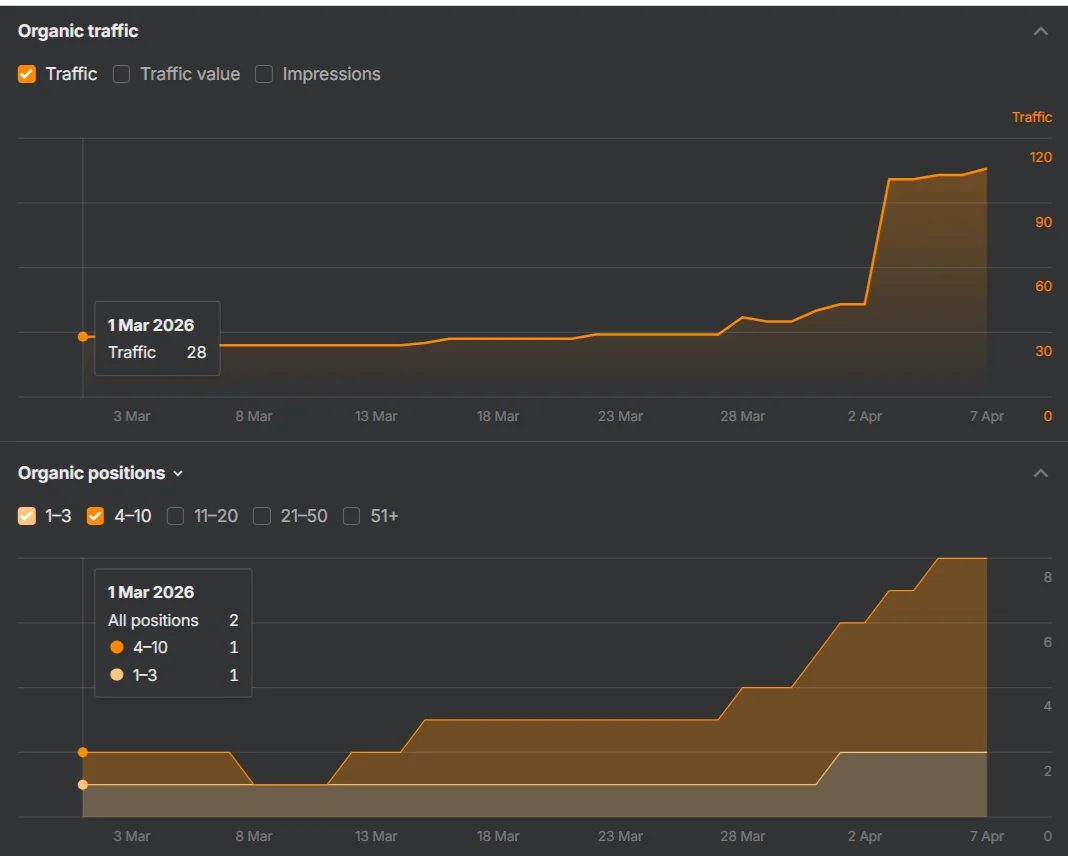
A foundation repair company wanted to build search authority without relying on a high volume of backlinks. SERPsGrowth launched a targeted link-building campaign focused on acquiring high-quality links to strengthen the site’s organic visibility.
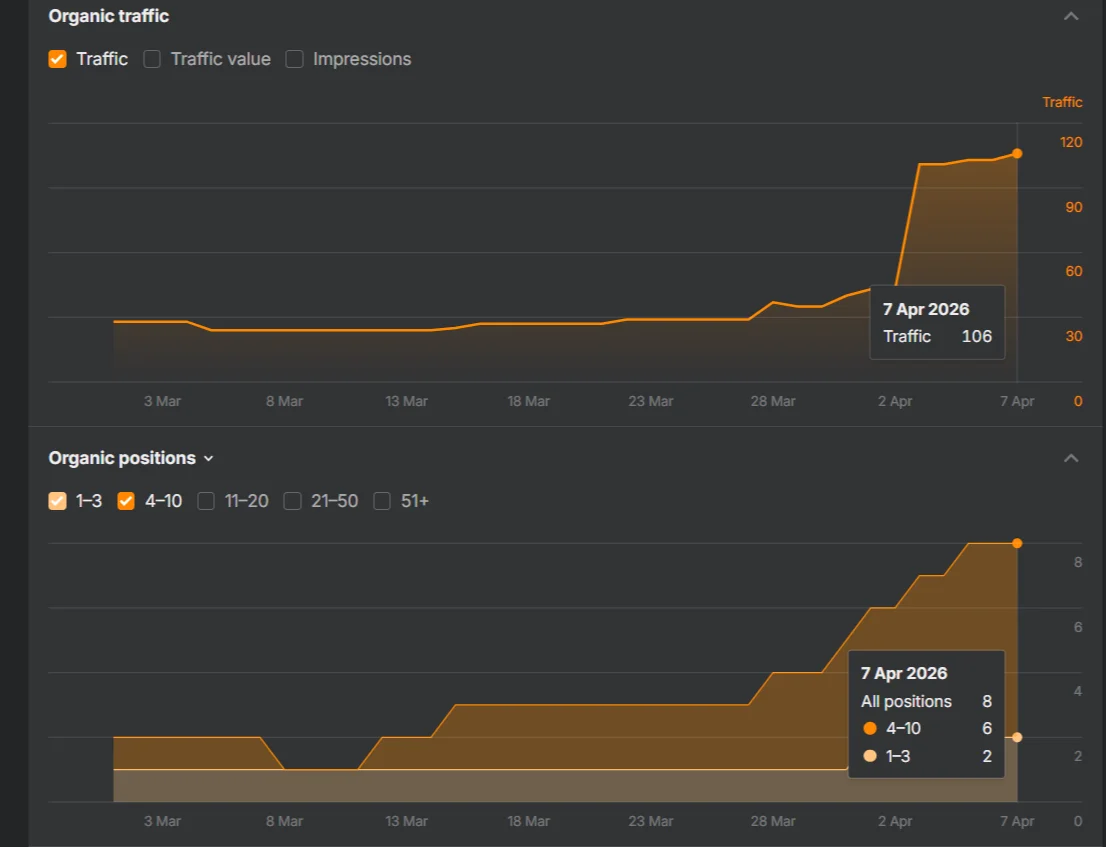
In just one month, SERPsGrowth secured 2 backlinks. Top-three rankings grew from 1 to 2 keywords, a 100% increase, while keywords ranking in positions 4–7 grew from 1 to 6, a 500% increase.
Organic traffic also jumped from 28 to 108 visitors, representing 286% growth in just one month. The early results demonstrate how a focused link-building campaign can generate measurable ranking and traffic gains without requiring a large backlink volume.
Content Creation and Outreach for Quality Backlinks
In construction, your expertise shines through content that solves real-world problems. Think about what keeps project managers awake at night—material durability questions, safety compliance updates, or cost-saving techniques. Address these needs, and your resources become go-to references across the industry.
Developing Link-Worthy Content That Educates
Start by mapping common challenges your clients face. A detailed guide on preventing concrete cracks in cold weather? That’s gold for contractors in northern states. Case studies showing how you reduced worksite injuries by 40%? Municipalities will bookmark those.
Top-performing formats include:
| Content Type | Audience | Backlink Potential |
| Material comparison charts | Architects | High |
| Safety protocol videos | Project managers | Medium |
| Energy efficiency studies | Developers | High |
Outreach works best when you personalize. Instead of blasting 100 emails, target 10 trade blogs that match your specialty. Mention their recent article on seismic retrofitting before pitching your steel beam installation guide.
Here’s a pro tip: Update old articles quarterly. Add new data or images, then re-share them with a “Revised Edition” headline. I’ve seen evergreen posts generate fresh endorsements three years after publication.
Track which pieces get shared internally at engineering firms. Those are your link magnets—double down on similar topics to build authority in niche areas like green building or historic renovations.
Applying Technical SEO to Reinforce Link Authority
Your website’s technical health acts like a foundation for a skyscraper—even the strongest materials crumble without proper support. Regular audits ensure every connection you earn works harder to boost rankings.
Auditing Your Site’s Links and Fixing Technical Errors
Start by scanning your backlink profile using tools like Ahrefs or SEMrush. Look for broken paths—links pointing to 404 pages drain value faster than a leaky pipe. I recommend fixing these issues in three steps:
- Identify dead-end URLs using Google Analytics
- Create 301 redirects for removed project pages
- Contact industry partners hosting outdated links
Redirect chains hurt your SEO. A single jump from HTTP to HTTPS preserves link equity, but multiple hops confuse search crawlers. Check load times too—pages taking over 3 seconds to open frustrate users and algorithms alike.
Mobile responsiveness matters more than ever. Use Google’s Mobile-Friendly Test to spot layout issues. Quick fixes here often improve how other websites perceive your professionalism.
Set up alerts in Moz to track new connections. Lost links signal changing priorities in your niche.
Leveraging Industry Partnerships and Thought Leadership
Digital success in construction hinges on strategic alliances. By collaborating with established voices, you amplify expertise while earning third-party validation. This approach drives visibility among decision-makers seeking trusted partners.
Building Relationships That Matter
Start by engaging trade association leaders through LinkedIn or industry events. Share insights on emerging materials or safety protocols—positioning you as a resource, not just a vendor.
Effective partnerships require mutual benefit. Offer to:
- Contribute technical specs for engineering publications
- Co-author case studies with material suppliers
- Provide expert commentary for building code updates
Creating Content That Opens Doors
Guest posts should solve problems, not sell services. Pitch topics that address industry challenges, share practical insights, or offer expert guidance—content that readers find genuinely useful and relevant.
| Content Format | Best For | ROI Potential |
| Co-branded guides | Material suppliers | High |
| Project post-mortems | Engineering blogs | Medium |
| Safety checklists | Municipal portals | High |
Track which posts generate consulting requests. These indicate topics where your expertise stands out. Update successful pieces quarterly—fresh data keeps them relevant and shareable.
Local SEO: Enhancing Visibility and Trust
Local visibility separates thriving contractors from forgotten bids in today’s digital landscape. Your geographic service area holds untapped potential—let’s unlock it.
Three-Step Local Dominance Formula
First, claim your Google Business Profile. Complete every section with project photos and service descriptions. Contractors with optimized listings get more map views.
| Tactic | Platform | Impact |
| Community event sponsorships | Local news sites | High media coverage |
| Trade partner collaborations | Chamber websites | Medium referral traffic |
| Project case studies | Regional blogs | High social shares |
Engage neighbors through hyper-local content. Write about solving common issues in specific ZIP codes—“Why Downtown Condos Need Specialized Foundation Work” attracts both residents and developers. Share these pieces on social media using neighborhood hashtags.
Partner with complementary businesses. Co-host workshops with architects or material suppliers. These alliances create cross-promotional opportunities while strengthening your regional authority.
Track success through localized keywords. Phrases like “commercial roofing services Tampa” should climb rankings as your community presence grows. Remember—authentic engagement beats generic marketing every time.
Conclusion
Building a strong online presence starts with smart choices, not shortcuts. You’ve learned how quality backlinks from trusted industry sources outperform random connections. By focusing on shareable resources and genuine partnerships, your business gains both search visibility and client trust.
Start with low-effort wins. Update your Google Business Profile with project photos. Engage local trade groups on social media. These steps lay the groundwork while you develop deeper, tailored strategies.
Remember: organic growth beats paid shortcuts every time. Prioritize relationships with architects’ blogs or material suppliers’ platforms. One case study shared across these channels often drives more traffic than a dozen directory listings.
Stay patient. Meaningful results take 6-12 months, but each earned endorsement strengthens your digital authority. Track rankings monthly, but focus on building expertise—the rest follows naturally.
You’re now equipped to avoid common pitfalls while boosting your search standing. Keep creating value, and watch your hardhat business become the go-to resource in your region.
FAQ
How can construction businesses build authority through backlinks?
Focus on creating high-value content like case studies or project breakdowns that showcase expertise. Partner with industry publications for guest posts, and engage with local trade organizations to earn trusted referrals. Quality matters more than quantity.
What’s the difference between SEO strategies and tactics for contractors?
Strategies are long-term plans, like improving domain authority through educational blog posts. Tactics are short-term actions, such as fixing broken links or pitching guest articles. Align both to achieve steady organic growth.
Why do older link building methods fail today?
Search engines now prioritize relevance and user value over random directory listings or spammy links. For example, a recent Google update penalized sites with low-quality backlinks, making outdated tactics risky and ineffective.
How do I create content that attracts backlinks naturally?
Address common pain points in your niche, like “How to Reduce Material Waste in Renovations.” Use data-driven insights, video tutorials, or downloadable checklists. Tools like AnswerThePublic can help identify what your audience searches for.
Can local SEO improve link building results?
Absolutely. Optimize Google Business Profile listings, collaborate with nearby suppliers for co-branded content, and sponsor community events. Local citations and geo-targeted keywords boost visibility while earning contextually relevant links.
What technical fixes strengthen link authority?
Audit your site monthly using Screaming Frog to find broken links. Ensure internal links point to high-priority pages, and use schema markup to highlight service areas. Faster load times (under 2 seconds) also improve crawlability for search engines.
Is guest posting still effective for construction companies?
Yes, but only on reputable platforms like Construction Dive or Engineering News-Record. Avoid generic sites—focus on outlets your clients actually read. Include actionable tips, not sales pitches, to position your brand as a helpful resource.