Want your chiropractic practice to stand out online? Let’s talk about why earning trust from search engines matters more than ever. Google now prioritizes quality over quantity when evaluating your website’s authority. One misplaced connection to a low-value site could hurt your visibility—but the right partnerships? They’ll act like digital referrals, driving patients straight to your door.
A link building agency for chiropractors helps with your online visibility. By establishing high-quality backlinks, you can attract more patients who are searching for chiropractic services. Partnering with experts in this field ensures that your practice is well-represented in search engine results.
Think of backlinks as endorsements for your expertise. When reputable sites vouch for your content, search algorithms reward you with higher rankings. This isn’t about chasing every opportunity—it’s about strategically aligning with sources that reflect your professionalism. For example, a well-placed mention in a trusted healthcare resource can work wonders for credibility.
Over the past decade, SEO has shifted dramatically. Practices that once relied on generic directories now focus on relationships with medical associations, local news outlets, and patient education hubs. Why? Because Google’s updates favor meaningful connections over random links. Your goal? Build a network that mirrors your real-world reputation.
Highlights
- Quality backlinks act like votes of confidence, boosting your site’s trustworthiness.
- Google penalizes spammy links but rewards partnerships with credible health platforms.
- Strategic connections improve search rankings, leading to more patient inquiries.
- Modern SEO requires focusing on relevance over sheer volume of links.
- Ignoring this approach risks losing patients to tech-savvy competitors.
Understanding the Significance of Link Building in Chiropractic SEO
Imagine search engines as trusted colleagues recommending your clinic. When reputable platforms connect to your site, they signal your expertise to algorithms. This digital validation impacts how patients find you—and whether your practice appears at the top of results.
What Is Link Building and Why It Matters
Years ago, practices relied on directory listings. Today, it’s about forming partnerships. Each connection from a respected source—like medical blogs or local organizations—acts like a professional reference. Search engines view these as proof you’re credible.
For example, a mention in a regional health journal carries more weight than 50 random directory links. Why? Google’s algorithms now prioritize relevance and authority. Just as legal professionals use similar tactics, your focus should be on earning endorsements that mirror real-world trust.
| Approach | Old Tactics | New Best Practices |
| Source Selection | Generic directories | Healthcare websites, local news |
| Relationship Focus | Quantity over quality | Collaborative partnerships |
| SEO Impact | Temporary boosts | Sustained ranking growth |
How Links Enhance Credibility and Visibility
High-quality connections do two things: improve your site’s authority and attract targeted visitors. A backlink from a physical therapy blog, for instance, brings readers already interested in wellness. This dual benefit—higher rankings and direct traffic—makes strategic linking essential.
Search engines reward sites with trustworthy networks. If your content is cited by a hospital’s resource page, algorithms see your practice as a reliable answer to health queries. Over time, this builds momentum, making your clinic more visible for terms like “back pain relief” or “posture correction.”
Recognizing High-Quality Links and Their Value
Not all connections boost your SEO equally. Just as patients trust referrals from respected professionals, search engines prioritize quality connections from authoritative sources. Let’s break down how to identify these digital endorsements.
Evaluating Site Authority and PageRank
A site’s authority determines its ability to boost your rankings. Tools like Ahrefs Domain Rating help measure this metric—look for scores above 40 for meaningful impact. For example, a single high-authority backlink from a medical journal often outperforms 50 directory listings.
Google’s hidden PageRank system rewards websites that share valuable connections. Focus on partners with established credibility, like authoritative health websites. These act as SEO multipliers, requiring fewer links to see results.
Relevancy and the Role of Complementary Health Sites
Chiropractors should prioritize websites serving similar audiences. A physical therapy blog’s link holds more weight than a generic news site. Why? Search algorithms value context—connections between related fields signal expertise.
| Factor | Low-Value Source | High-Value Source |
| Authority Level | Unrated directory | Hospital resource page |
| Content Relevance | Movie review blog | Sports medicine journal |
| Traffic Potential | Generic visitors | Targeted patients |
Local partnerships offer dual benefits. An imaging center’s website link not only improves rankings but also drives referrals. Always ask: “Would this site’s audience become my patients?” If yes, it’s worth pursuing.
Success Story: 10 Backlinks Helped Grow Organic Traffic by 5,600%
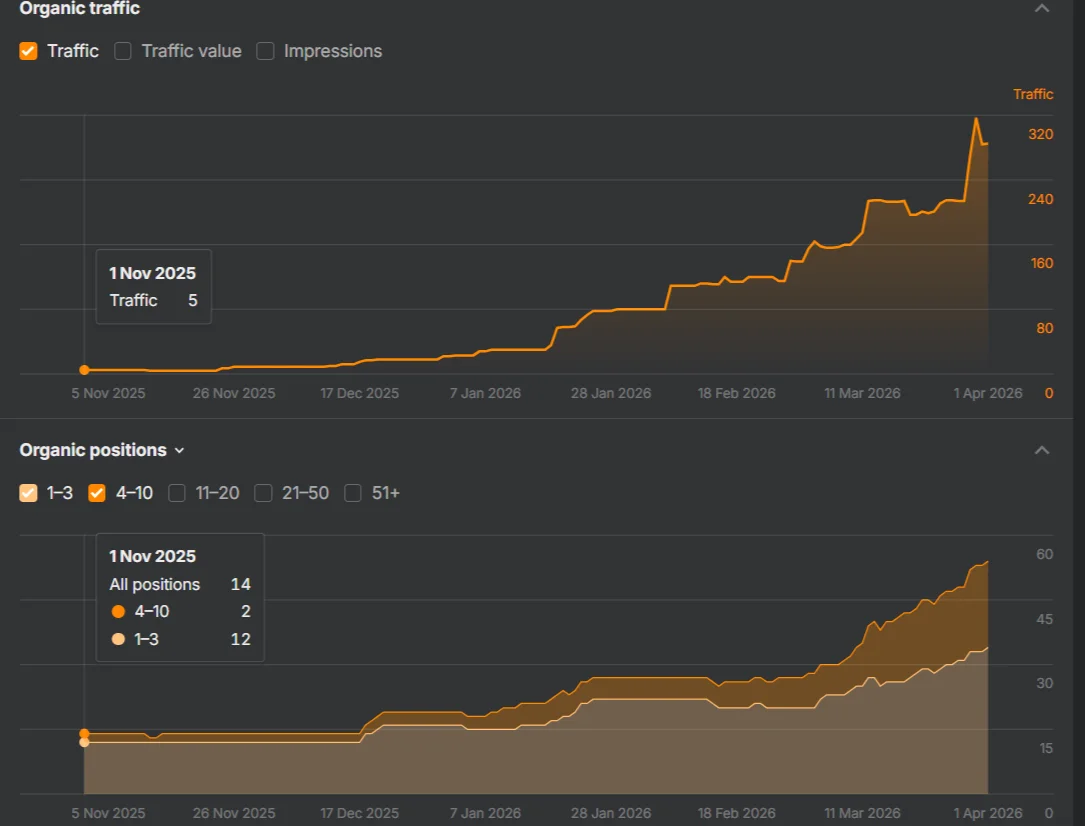
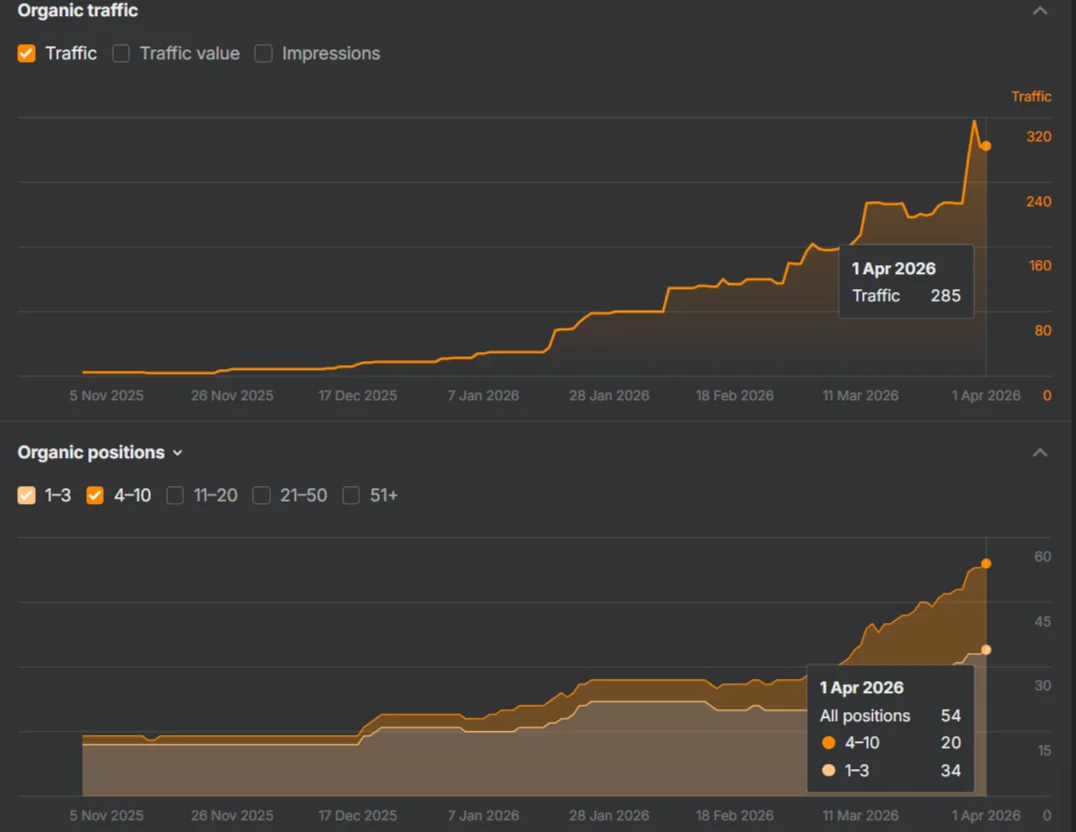
A chiropractic clinic started with just five monthly organic visitors and needed to establish stronger search authority. SERPsGrowth focused on building that authority through a steady stream of high-quality backlinks.
The campaign generated 10 backlinks over five months, with two links secured each month. During the same period, top-three keyword rankings grew from 12 to 20, while keywords in positions 4–7 increased from 2 to 34.
Organic traffic rose from 5 to 285 visitors per month, a 5,600% increase. The campaign demonstrates how a consistent, quality-focused backlink strategy can create significant organic growth from a low starting point.
Step-by-Step Guide to Link Building Strategies for Chiropractors
Successful partnerships begin with preparation. Instead of random requests, focus on aligning your website with platforms your ideal patients trust. This requires mapping out opportunities that amplify your expertise while serving others’ audiences.
Planning Outreach and Networking Tactics
Start by auditing your existing content. Identify pieces that solve common health questions or showcase unique techniques. These become your linkable assets—resources other sites will want to share.
| Outreach Element | Old Approach | Effective Strategy |
| Initial Contact | Generic “Check my site” emails | Personalized value proposition |
| Content Pitch | One-size-fits-all articles | Tailored studies or local health insights |
| Follow-Up Timing | Immediate push for links | Offer collaboration first |
Build a prospect list using these criteria:
- Relevance: Target sites discussing spinal health, wellness, or local services
- Authority: Prioritize domains with strong traffic and engagement
- Relationship Potential: Note editors who’ve shared similar content
When reaching out, reference their recent work. For example: “Your article on posture correction aligns with our new study on desk workers’ spinal health.” This outreach approach shows genuine interest before asking for anything.
Track responses in a spreadsheet. Note who engages, ignores, or requests more details. Refine your messaging every two weeks based on what works. Over time, you’ll build a network that drives referrals and rankings.
Creating Compelling Content to Earn Backlinks
Your website needs content that acts like a magnet for recognition. Four formats consistently attract attention from healthcare sites and local partners: visuals, data-driven studies, practical guides, and digestible list posts. Let’s explore how to turn your expertise into shareable resources.
Developing Linkable Assets Like Infographics and Research
Visual content simplifies complex ideas. An infographic showing how spinal adjustments reduce nerve pressure gets shared 3x more than text-only posts. Pair these with original research—like surveys on posture improvement rates—to establish authority.
| Content Type | Best Use | Example |
| Infographics | Explaining treatment processes | “How Whiplash Affects Neck Muscles” diagram |
| Original Studies | Demonstrating clinical results | Local patient recovery rate analysis |
| List Posts | Quick patient education | “5 Desk Stretches to Prevent Back Pain” |
Focus on creating linkable assets that answer common questions. Guides addressing FAQs like “Can chiropractic care help migraines?” become go-to references for other health sites.
Promoting Content Through Social Media and Email Campaigns
Share your resources where your audience spends time. Post infographics on Pinterest and Instagram—platforms favoring visual health tips. Email new studies to local gyms or physical therapists who might reference them.
Three steps to maximize visibility:
- Tag collaborators: Mention partners featured in your research
- Schedule strategically: Share list posts during peak commute hours
- Repurpose content: Turn guides into video scripts or podcast topics
Track which formats drive the most website traffic. Double down on what works, and refine underperforming pieces with fresh data or design updates.
Leveraging Local SEO and Digital Marketing Tactics
Your clinic’s digital presence needs to work harder than your adjusting table. With 46% of searches targeting local services, showing up for nearby patients requires precision. Let’s explore how to dominate your area’s search results while building genuine community connections.
Optimizing Your Google Business Profile and Local Listings
Claiming your Google Business Profile isn’t optional—it’s essential. Fill every field: add high-quality photos of your practice, select accurate categories like “Chiropractor” or “Spinal Health,” and enable messaging. This profile controls 42% of local search clicks through the Map Pack.
Consistency matters. Ensure your practice’s name, address, and phone number match across directories like Healthgrades, Zocdoc, and Yelp. Even minor discrepancies confuse search algorithms—and potential patients.
| Directory Type | Healthcare Focused | General Business |
| Examples | WebMD, Vitals | Better Business Bureau |
| SEO Impact | Higher relevance | Broader visibility |
Incorporating Social Media and Review Strategies
76% of patients check reviews before booking. Encourage satisfied clients to leave feedback on Google and niche platforms. Respond promptly—even to criticism—to show professionalism. Search engines prioritize active profiles with fresh interactions.
Share patient success stories on Instagram or Facebook. Tag local gyms or wellness centers when relevant. This creates organic networking opportunities while boosting your social signals.
Sync your efforts. A clinic tour video on YouTube can embed in your Google profile. Positive reviews? Feature them in blog posts. Every piece connects, strengthening your local authority.
Tracking Success and Refining Your SEO Performance
Did you know 53% of visitors abandon sites that load slower than three seconds? Your hard work earning digital recognition means nothing if technical hiccups push patients away. Let’s explore how to measure what’s working—and fix what isn’t.
Using Google Analytics and Search Console for Insights
Google Analytics reveals which pages convert visitors into appointments. Track referral traffic sources to see which partnerships send engaged users. For example, a local wellness blog linking to your posture guide might drive longer visits than national directories.
Search Console shows how your content performs in search results. Monitor keyword rankings for terms like “sciatica relief” or “chiropractor near me.” Spot opportunities by checking which queries show your site but don’t generate clicks—then optimize those pages.
| Tool | Best For | Critical Metric |
| Google Analytics | Patient behavior analysis | Average session duration |
| Search Console | Keyword performance | Click-through rate (CTR) |
Set up conversion tracking to connect SEO efforts to booked consultations. Tag URLs from different campaigns to identify top performers. If your ergonomic workspace guide generates 2x more appointments than other content, create similar resources.
Speed matters. Use tools like PageSpeed Insights to keep load times under two seconds. Compress images, leverage browser caching, and remove unnecessary plugins. Fast sites rank higher and keep patients engaged.
Conclusion
The digital landscape for chiropractors is competitive, but the right approach sets you apart. Establishing credibility through strategic partnerships requires expertise in content creation, technical SEO, and relationship-building.
By leveraging effective SEO strategies for chiropractors, you can enhance your online presence and attract more patients. Consistently generating high-quality content, while optimizing for local search terms, can lead to increased visibility in search engine results. Additionally, engaging in community outreach and establishing referrals can further solidify your reputation as a trusted chiropractic professional.
One effective strategy to enhance your online visibility is investing in link building services for chiropractors. By focusing on acquiring high-quality backlinks from reputable health-related websites, you can substantially improve your search rankings. This, in turn, attracts more potential patients who are actively seeking reliable chiropractic care in their area.
While some practices manage this internally, many find value in partnering with a trusted white label link building provider to handle the heavy lifting.
Quality matters more than shortcuts. Avoid providers promising instant results—these often involve risky tactics that harm your reputation. Instead, focus on earning endorsements from reputable health platforms and local organizations. This builds lasting trust with both search engines and potential patients.
Your efforts today lay the groundwork for tomorrow’s success. By prioritizing genuine connections over quantity, you’ll attract patients actively seeking your expertise. Monitor your progress through organic traffic growth and appointment inquiries to refine your strategy.
Ready to stand out? Invest in relationships that mirror your clinic’s real-world reputation. The result? A steady stream of engaged patients and a practice that thrives online for years to come.
FAQ
Why is link building important for chiropractic practices?
Link building boosts your website’s authority in search engines like Google, helping potential patients find you faster. High-quality backlinks act as endorsements, signaling to algorithms that your content is trustworthy and relevant to health-related queries.
How do I know if a backlink is high-quality?
Focus on sites with strong domain authority (DA) and relevance to healthcare, wellness, or local services. Avoid spammy directories—prioritize platforms like medical blogs, reputable health organizations, or local business alliances that align with your practice’s expertise.
What types of content attract the most backlinks?
Original research, patient education guides, and visually engaging infographics perform well. For example, a detailed guide on posture correction or a study on chiropractic care benefits can earn links from fitness blogs, medical sites, or wellness influencers.
How can local SEO improve my link building efforts?
Optimizing your Google Business Profile and local directory listings increases visibility in regional searches. Partner with nearby gyms, physiotherapists, or wellness centers for cross-promotion, and encourage satisfied patients to leave reviews—these actions strengthen local credibility and attract niche-relevant links.
Should I use social media for link building?
Absolutely. Platforms like LinkedIn and Facebook help share your content with a targeted audience. Engage in health-focused groups, collaborate with influencers, and repurpose blog posts into videos or carousels to drive traffic and encourage organic backlinks.
What tools track the success of my SEO strategy?
Google Analytics reveals traffic sources and user behavior, while Search Console identifies technical issues affecting rankings. Tools like Ahrefs or Moz monitor backlink profiles, helping you refine outreach tactics and prioritize high-impact opportunities.